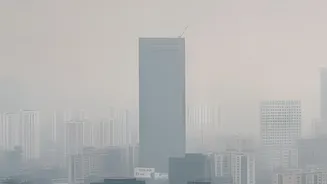






When a thick blanket of smog covers the city, we often retreat indoors, believing we're safe from the polluted air. But outdoor pollutants easily find their way inside, mixing with indoor contaminants and creating a hidden health threat.
The Invisible Threat: Understanding PM2.5
The most dangerous
component of smog is 'PM2.5', which refers to fine particulate matter with a diameter of 2.5 micrometres or smaller. To put that in perspective, these particles are about 30 times smaller than the width of a human hair. Their minuscule size allows them to bypass the body's natural defences, penetrate deep into the lungs, and even enter the bloodstream. This can lead to a host of health problems, including aggravating respiratory conditions like asthma, increasing the risk of cardiovascular issues, and other serious long-term effects. These particles originate from vehicle exhaust, industrial processes, construction, and even indoor sources like cooking.
The Science of HEPA Filtration
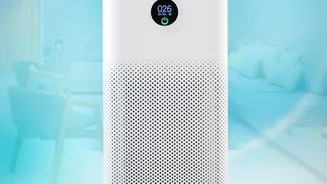
This is where High-Efficiency Particulate Air (HEPA) filters come in. A 'True HEPA' filter is a mechanical air filter that works by forcing air through a fine mesh that traps harmful particles. It doesn’t just work like a simple net. Instead, it uses a combination of three physical mechanisms—impaction, interception, and diffusion—to capture particles of various sizes. A filter that meets the 'True HEPA' standard is certified to remove at least 99.97% of airborne particles that are 0.3 microns in size, which is known as the most difficult particle size to catch. Because this method is so effective at this specific size, it is highly efficient at capturing the entire spectrum of PM2.5 particles, which are both smaller and larger than 0.3 microns.
Choosing the Right Air Purifier
When buying an air purifier, the most important metric to consider is the CADR, or Clean Air Delivery Rate. This rating, usually measured in cubic metres per hour (m³/h), tells you how much clean air the purifier can deliver in a given time. A higher CADR means the purifier can clean the air in a larger room, or clean a smaller room faster. For effective cleaning during heavy smog, you should choose a purifier with a CADR that is adequate for your room size, allowing it to clean the entire volume of air at least four to five times per hour. Also, ensure the product specifies 'True HEPA' filtration; labels like 'HEPA-like' or 'HEPA-type' do not meet the same standards and are less effective.
Beyond the Filter: Maximising Effectiveness
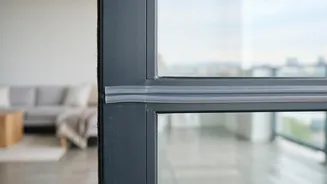
Simply owning a HEPA purifier isn't enough; using it correctly is key. For best results, run the purifier in a room with the doors and windows closed to prevent more outdoor pollutants from entering. Place the unit in a spot with good air circulation, away from walls and furniture that might block its intake. During periods of severe smog, it's best to run the purifier continuously, especially in the rooms where you spend the most time, like the bedroom. Most purifiers also come with a pre-filter to catch larger particles like hair and dust, and an activated carbon filter to remove odours and certain gases, which HEPA filters alone cannot trap. Remember to clean the pre-filter and replace the HEPA and carbon filters according to the manufacturer's recommendations to ensure your purifier continues to work efficiently.