




The Power of Bodyweight Training
Bodyweight exercises are a fantastic way to build muscle, improve endurance, and enhance flexibility without external weights. Research has shown that this form of resistance training effectively helps build muscle. Because you are using your own body
as resistance, these exercises are often safer and can improve joint lubrication, preparing your muscles for a safe workout. They are convenient, cost-effective, and can be done anywhere, making them the perfect solution for fitness enthusiasts with limited space. From improving your posture to strengthening your core, bodyweight training offers a full-body workout that adapts to your fitness level.
Cardio That Won't Disturb the Neighbours
Getting your heart rate up in a small apartment can seem challenging, especially when you're trying to be considerate of those living below you. The key is to focus on low-impact, high-intensity movements. Exercises like 'High Knees' (marching in place while lifting your knees high), 'Mountain Climbers' (in a plank position, bring your knees to your chest), and 'Burpees' (without the jump) are excellent for cardiovascular health. These movements can be performed quietly on a mat and elevate your heart rate efficiently. They simultaneously engage multiple muscle groups, providing both a cardio and strength benefit in one go.
Build Strength with Foundational Movements
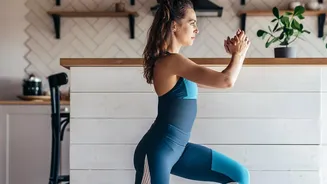
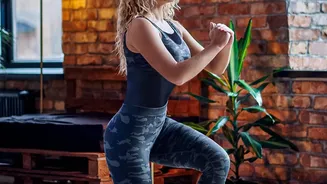
You can build serious strength using nothing but the floor and your own determination. Squats are a fundamental exercise that targets your quadriceps, hamstrings, and glutes, mimicking everyday movements like sitting and standing. Push-ups are a classic for upper body and core strength; you can modify them by placing your knees on the ground to start. Lunges, both forward and reverse, are perfect for improving balance and strengthening your legs individually. Finally, the plank is a powerhouse for core stability. Holding a plank for 30-60 seconds will engage your entire midsection, supporting your spine and improving posture.
Essential Core and Flexibility Work
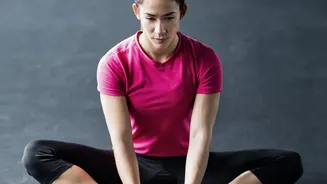
A strong core is the foundation of all movement, and flexibility is crucial for preventing injury. Simple exercises like the 'Bicycle Crunch', 'Leg Raises', and 'Glute Bridges' can be done on a mat in a very small area. These movements target your abdominal muscles and lower back. After your workout, dedicate a few minutes to stretching. Gentle stretches for your hamstrings, quadriceps, chest, and back will improve your range of motion, reduce muscle soreness, and help you cool down properly. Even simple yoga poses like 'Downward Dog' or a 'Cat-Cow Stretch' can make a huge difference in your flexibility and recovery.
Creating Your Weekly Workout Plan
Consistency is more important than intensity when you're starting out. Aim for three to four workouts per week on non-consecutive days to allow your muscles to recover. A good approach is to create a circuit. Choose five or six exercises—a mix of cardio, strength, and core—and perform each for 40 seconds, followed by 20 seconds of rest. Complete the entire circuit two or three times for a full-body workout that takes less than 30 minutes. You can designate different days for different focuses, such as an upper-body day, a lower-body day, and a full-body cardio day. Listen to your body, focus on proper form, and gradually increase the difficulty as you get stronger.