








Why Running in Humidity Feels So Hard
Running in high humidity is uniquely challenging because it short-circuits your body's primary cooling system: sweating. When you exercise, your internal temperature rises, and your body produces sweat. As that sweat evaporates from your skin, it carries
heat away, cooling you down. But when the air is already saturated with moisture, your sweat can't evaporate efficiently. This traps heat, forcing your body to work much harder to regulate its temperature. Your heart rate climbs higher even at the same pace, and blood is diverted to the skin to try and release heat, meaning less oxygenated blood reaches your working muscles. This increased cardiovascular strain makes any given pace feel significantly more difficult and leads to fatigue setting in much sooner.
The Unspoken Pressure of the Group Run
Training with a group is a powerful motivator. The accountability, shared energy, and friendly competition can push you to be more consistent and work harder than you might on your own. This phenomenon, known as social facilitation, often leads to better performance. However, this social dynamic has a downside. The desire not to fall behind or be the one who calls it quits can lead athletes to ignore their body's warning signs, especially in tough conditions. Sticking to a predetermined pace or distance because everyone else is can be a recipe for overexertion when factors like humidity dramatically change the physical demand of the workout. The fear of being seen as the weak link often overrides personal judgment, creating a risky situation.
The Real Risks of Pushing Through
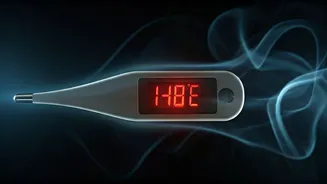
Ignoring the impact of humidity isn't just about having a bad run; it's a serious safety issue. Pushing your body too hard in these conditions can lead to heat-related illnesses, which progress from mild to life-threatening. The first stage is often heat cramps, followed by heat exhaustion. Symptoms of heat exhaustion include heavy sweating, cold and clammy skin, a rapid but weak pulse, nausea, dizziness, and headache. If you ignore these signs, you risk progressing to heatstroke, a medical emergency where the body's temperature regulation system fails completely. Key signs of heatstroke include a high body temperature (above 104°F), confusion or disorientation, a fast and strong pulse, and potentially a loss of consciousness. At this stage, immediate medical intervention is critical.
Smarter Training: How to Adjust for Humidity
The smartest athletes know that adaptation is key. Instead of stubbornly chasing paces on your watch, shift your focus to effort. This is often measured as Rate of Perceived Exertion (RPE) on a scale of 1 to 10. An easy run should still feel easy, even if your watch shows a much slower pace than you're used to. If a dew point is above 65°F (18°C), significant pace adjustments are needed, and if it's above 75°F (24°C), it's often best to postpone hard efforts entirely. Be flexible with your training plan. If a humid day is scheduled for a hard interval session, consider swapping it with an easier recovery run later in the week. You can also run earlier in the morning or later in the evening when temperatures might be lower, choose shaded routes, or even take your workout indoors to a treadmill.
Listen to Your Body, Not Your Watch
Pay close attention to the signals your body sends you. Early warning signs of overheating include unusual fatigue, a heart rate that stays high even when you slow down, dizziness, and chills or goosebumps in the heat. If you experience any of these symptoms, it is not a sign of weakness to stop; it's a sign of intelligence. Hydration is also crucial—start your run well-hydrated and consider carrying water with electrolytes, especially for longer efforts. Ultimately, running is a long-term pursuit. A single workout modified or skipped due to dangerous conditions will not derail your progress. In fact, learning to make smart, safe decisions is what allows for the consistency that builds true fitness over time.