



The Joy of Effortless Greenery
The Indian monsoon is a magical time, transforming parched landscapes into verdant wonderlands. For gardening enthusiasts, it’s a golden opportunity. The consistent rain, cooler air, and high humidity create the perfect nursery for a host of plants to flourish.
[2] However, the season also brings challenges like waterlogging, fungal diseases, and pests that can turn a passion project into a chore. [4] The secret to a glorious monsoon garden isn't about working harder; it's about choosing smarter. By selecting plants that are naturally adapted to these conditions, you can achieve a stunning display that practically takes care of itself. [14] This is the new garden 'flex': a space that is beautiful, thriving, and, most importantly, easy to maintain.
Hibiscus: The Queen of Monsoon Flowers
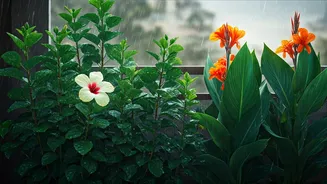
A staple in Indian homes, the hibiscus is more than just a pretty flower; it’s a resilient monsoon champion. [5] Known for its large, showy blooms in brilliant reds, pinks, and yellows, this plant loves the warm, moist climate of the rainy season. [9] While it appreciates the regular watering from the rain, the key is to ensure it's planted in well-draining soil, especially in pots, to prevent root rot. [2] With a little pruning in the early monsoon to encourage bushy growth, your hibiscus will reward you with a continuous display of vibrant colour, attracting butterflies and compliments in equal measure. [5, 2]
Marigold: The Cheerful Pest-Repeller
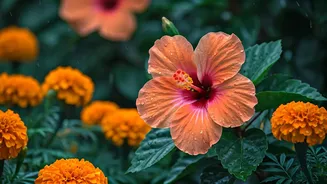
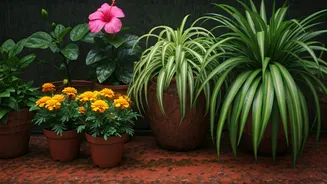
Bright, cheerful, and incredibly useful, marigolds are a must-have for any monsoon garden. These hardy annuals are easy to grow and produce a profusion of yellow and orange blooms that can brighten even the greyest of rainy days. [9] Their biggest advantage, however, is their natural ability to repel pests. [7, 9] Planting marigolds around your garden or balcony can help protect more sensitive plants from common monsoon insects. They thrive in the rain and require very little care, making them a perfect low-effort, high-reward choice.
Periwinkle (Sadabahar): The Year-Round Trooper
As its Hindi name ‘Sadabahar’ suggests, the periwinkle is an evergreen choice for any garden. This plant is famously tough, tolerating both heavy rains and periods of dryness once established. [12] It blooms with delicate, star-like flowers in shades of white, pink, and mauve, offering a stunning show throughout the year, which intensifies during the monsoon. [11, 12] It's an excellent choice for ground cover or container gardening, requiring minimal intervention while providing continuous colour. This resilience makes it a true low-maintenance star.
Balsam & Rain Lily: The Rain-Activated Beauties
Some plants are made for the monsoon, and Balsam (Impatiens) is one of them. This cheerful plant grows profusely in moist conditions and its vibrant blooms are a common sight in Indian gardens during the rains. [12, 11] Equally magical are Rain Lilies. As their name implies, these bulbous plants produce delicate, beautiful flowers, often in white, pink, or yellow, right after a spell of rain. [7, 9] Both are perfect for small pots and require almost no care, springing to life to signal the arrival of a fresh shower. [14]
Ferns and Money Plant: The Foliage Heroes
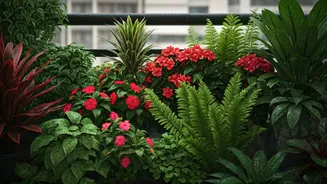
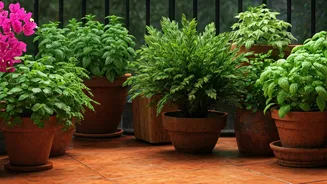
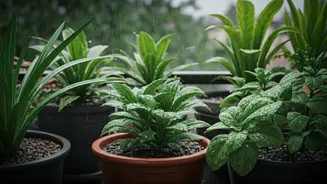
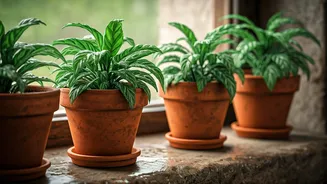
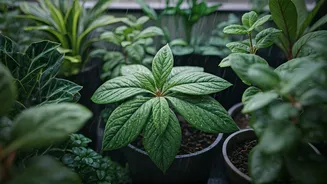
Not all garden beauty comes from flowers. The lush, tropical foliage of ferns and money plants (Pothos) is especially suited to the monsoon’s high humidity and indirect light. [3] Ferns, like the Boston or Maidenhair varieties, bring a soft, natural aesthetic to shaded balconies or indoor spaces, thriving in the damp conditions. [2] The money plant, a fast-growing vine, is incredibly forgiving and does well in the monsoon's humid air, making it less prone to rot. [18] Both are great for purifying the air and adding a touch of jungle chic to your home with minimal fuss. [14]