



Why Go Native? More Bloom, Less Fuss
The shift towards native plants isn't just a fleeting trend; it's a smart, sustainable choice for urban gardeners. Unlike exotic species, native plants are perfectly adapted to India's diverse climates. This means they generally require less water, fewer
pesticides, and minimal fuss once they're established. In a country where water can be scarce and free time is precious, this is a significant advantage. They are naturally resistant to local pests and diseases, reducing the need for chemical sprays that can be harmful to both the environment and our families. Furthermore, these plants provide essential food and shelter for local wildlife, attracting beautiful birds and butterflies to your balcony and creating small pockets of biodiversity amidst the urban sprawl.
Defining Our Roots: What Is a 'Native' Plant?
So, what exactly makes a plant 'native'? Simply put, these are plants that have grown and evolved in a particular region for centuries, without any human intervention. They are part of the local ecological fabric. Think of the hardy Neem tree, the fragrant Mogra (Arabian Jasmine), or the ubiquitous Tulsi. These plants are deeply intertwined with India's cultural and ecological heritage. Choosing native doesn't mean your garden will be any less beautiful. Many native species boast stunning flowers, fragrant leaves, and have been part of Indian homes and traditions for generations.
Your Balcony Botany: Top Picks for Indian Homes
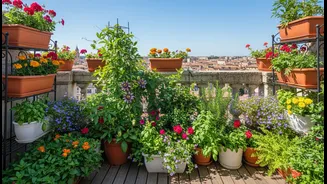
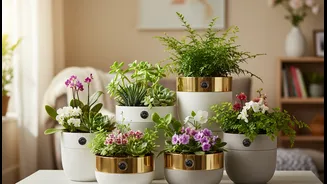
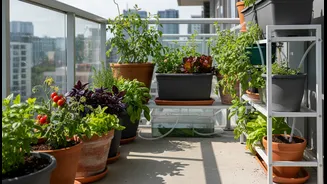
Ready to get started? You don't need a sprawling lawn to create a native garden. Many species thrive in pots and containers, making them perfect for the balconies and terraces of city apartments. Here are a few easy-to-grow favourites: Marigold (Genda): Known as the 'herb of the sun', marigolds are incredibly common in India for good reason. They are hardy, bloom profusely in bright yellow and orange, and are happy in pots with plenty of sunlight. Tulsi (Holy Basil): No Indian home garden feels complete without Tulsi. Revered for its cultural significance, it's also a powerful pest repellent and thrives in a simple pot. Hibiscus (Gudhal): With their large, dramatic blooms in a riot of colours, hibiscus plants are a favourite for terraces. They love the sun and grow well in containers, bringing a touch of tropical vibrancy. Mogra (Arabian Jasmine): The intoxicating fragrance of Mogra on a warm evening is a classic Indian experience. This climbing vine is a prolific bloomer and perfect for a sunny balcony spot. Aparajita (Butterfly Pea): This cheerful climber with its striking blue or white flowers grows easily in pots. Let it trail along a railing for a beautiful, soft burst of colour that also attracts pollinators.
From Pot to Paradise: Your Simple Starter Guide
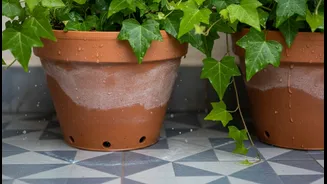
Starting your native garden is easier than you think. First, identify a spot on your balcony or terrace that gets adequate sunlight. Most of the flowering plants mentioned above need at least a few hours of direct sun. Next, visit a local nursery and ask for native varieties. As the trend grows, many nurseries are stocking a wider range of local plants. You can also find native and heirloom seeds online from specialised Indian suppliers. Use a good quality potting mix, ensuring your pots have drainage holes to prevent waterlogging. The best part about native plants is their resilience; they don't demand constant attention. Water them when the topsoil feels dry, and you'll soon have a thriving green corner to call your own.