





A Universe of New Policies
The single biggest catalyst for this transformation is a fundamental shift in government policy. For decades, the Indian Space Research Organisation (ISRO) was the sole player. That changed dramatically with the Indian Space Policy approved in 2023. This
landmark policy was designed to do one thing: throw the doors of the space sector wide open to private enterprise. It clearly defined the roles of different entities, repositioning ISRO to focus on advanced research and development, rather than routine operational launches. This created a clear, regulated space for Non-Governmental Entities (NGEs) to participate in everything from building rockets and satellites to owning and operating them. The policy aims to boost India's share of the global space economy from its current 2-3% to a much more significant slice of the pie.
A Guiding Hand: The Role of IN-SPACe
To ensure this new ecosystem wouldn't be a free-for-all, the government established the Indian National Space Promotion and Authorisation Centre (IN-SPACe) in 2020. Think of it as the mission control for private space activities. IN-SPACe acts as a single-window, independent agency that promotes, authorises, and supervises the activities of private companies. This was a game-changer. Instead of navigating a complex web of bureaucracy, startups now have a streamlined process for getting approvals and, crucially, for accessing ISRO's world-class facilities. Private firms can now use ISRO's testing facilities, launchpads, and technical expertise for a fee, dramatically lowering the barrier to entry in a capital-intensive industry.
The Economic Expanse
The numbers tell a compelling story. India's space economy, currently valued at around $8.4 billion, is projected to surge to $44 billion by 2033. This explosive growth is attracting serious investment. Recent policy changes, such as allowing up to 100% Foreign Direct Investment (FDI) for manufacturing satellites and launch vehicles, are designed to attract global capital. The opportunity extends far beyond just launching rockets. The real economic frontier lies in downstream applications—turning satellite data into actionable intelligence for sectors like agriculture, logistics, disaster management, and telecommunications. Reports have identified over 200 such use cases, creating a massive market for data services and applications developed by the private sector.
Homegrown Heroes Take Flight
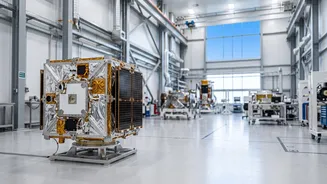
This policy push has unleashed a wave of entrepreneurial energy, with the number of Indian space startups growing from just one in 2014 to over 400 in 2026. Companies like Skyroot Aerospace, Agnikul Cosmos, and Pixxel are becoming household names. Skyroot made history with Vikram-1, India’s first privately developed orbital rocket launch in July 2026. Agnikul has pioneered single-piece, 3D-printed rocket engines, while Pixxel is deploying a constellation of hyperspectral satellites for detailed Earth observation. These startups aren't just building components anymore; they are designing and executing end-to-end space missions, demonstrating a level of innovation and agility that is attracting global attention and significant venture capital. Skyroot, for instance, became the country's first space-tech unicorn in 2026.
A Symbiotic Orbit with ISRO
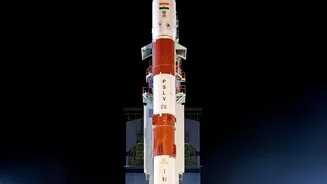
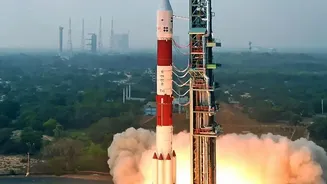
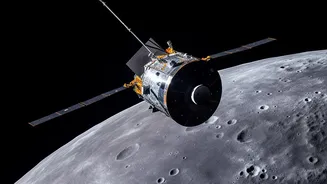
The rise of the private sector doesn't mean the end of ISRO's relevance. In fact, it's the opposite. By handing over routine operations like building Polar Satellite Launch Vehicles (PSLVs) to commercial players, ISRO is freed up to focus on what it does best: pioneering deep space exploration, scientific research, and national security missions. This creates a symbiotic relationship. ISRO acts as a mentor and anchor client, sharing decades of expertise and providing a launchpad for private innovation. In return, a robust domestic supply chain and a competitive ecosystem of private companies will make ISRO's own future missions more efficient and cost-effective, creating a powerful engine for India’s overall space ambitions.