





Why A Gentle Reset Helps
The idea of a 'cleanse' before a period of indulgence isn't about deprivation; it's about preparation. Heavy, oily, and sugary foods require your digestive system to work overtime. By eating lighter, more easily digestible meals for a few days beforehand,
you give your system a chance to rest and function optimally. This approach helps reduce feelings of sluggishness and bloating, ensuring you feel your best when the celebrations begin. Think of it as a warm-up for your digestive tract, allowing it to handle the upcoming marathon of festive meals more efficiently. This period of light eating can also enhance hydration and top up your body's nutrient stores, providing a solid foundation for wellness.
The Soothing Power of Light Soups
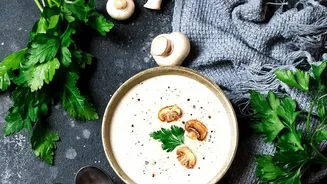
Soups are an ideal food for a pre-festive cleanse. Their warmth is inherently comforting and easier on the gut than cold, raw foods. Because they are liquid-based, soups are incredibly hydrating and easy for the body to digest, allowing for efficient nutrient absorption without heavy work. A well-made soup is packed with vitamins, minerals, and fibre from vegetables and lentils. This combination supports the body’s natural detoxification pathways, particularly the liver and kidneys, helping them process and eliminate waste more effectively. Since you consume the broth, you retain all the water-soluble nutrients that might otherwise be lost in other cooking methods.
Nourishing Soups to Savour
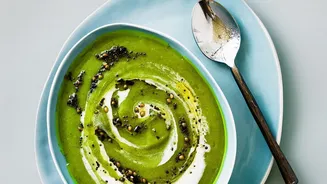
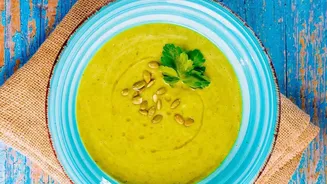
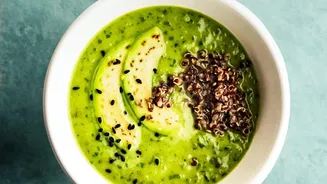
Focus on brothy or lightly puréed soups made with whole ingredients. A simple vegetable broth, simmered with carrots, celery, and onions, is a fantastic starting point. For something more substantial, a yellow lentil soup (dal) with turmeric and garlic is excellent; lentils are a great source of protein and fibre. Tomato soup, rich in antioxidants like lycopene, is another wonderful choice. A light spinach or bottle gourd (lauki) soup can also be incredibly restorative. Avoid heavy cream-based soups or those loaded with cheese, as these defeat the purpose of eating light.
What 'Clean Foods' Really Means
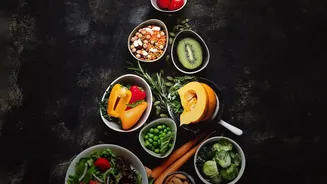
The term 'clean eating' simply refers to choosing foods that are as close to their natural state as possible. This means favouring whole, unprocessed ingredients over packaged and refined items. Instead of white bread, choose whole grains. Instead of sugary snacks, reach for fresh fruit. Clean eating is about nourishing your body with real food. Key principles include eating more vegetables and fruits, opting for lean proteins, and staying hydrated. It's a mindful approach that prioritizes nutrient density and avoids artificial additives, excess sugar, and unhealthy fats.
Clean Foods for Your Pre-Festive Plate
In the days leading up to your festive meals, try incorporating more of these clean foods. Steamed or lightly sautéed vegetables like broccoli, carrots, and leafy greens are excellent. They are high in fibre and support digestion. Lean proteins such as chicken, fish, tofu, and legumes help you feel full and stabilize blood sugar. Hydrating fruits like watermelon, oranges, and cucumbers are also beneficial. For grains, stick to options like oats, quinoa, or brown rice. A simple meal could be a bowl of khichdi made with minimal ghee, a side of steamed vegetables, and a serving of plain yogurt to support gut health.
Putting It All Together
A day of light eating could start with a bowl of oatmeal or a simple fruit salad for breakfast. For lunch, a large bowl of vegetable and lentil soup can be both filling and nourishing. If you need a snack in the afternoon, a handful of almonds or a piece of fruit is a great choice. For dinner, consider a light meal of grilled fish or paneer with a side of sautéed greens. Remember to drink plenty of water throughout the day; you can also include herbal teas like ginger or peppermint to aid digestion. The goal is to feel satisfied and energised, not hungry or deprived.