






The Modern Mealtime Dilemma
Life in India's bustling cities is faster than ever. For busy professionals, dual-income families, and health-conscious individuals, the desire for nutritious, home-style food often clashes with the reality of demanding schedules. The time and effort
required for meal planning, grocery shopping, and daily cooking can feel overwhelming. This leads many to rely on repetitive takeout or restaurant meals, which may not align with health goals or budgets. The result is a significant pain point: a need for convenient, wholesome food solutions that fit a modern, fast-paced lifestyle. This is precisely the gap that healthy meal subscription services are stepping in to fill.
How the Subscription Model Works
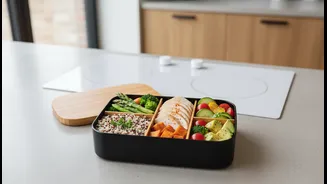
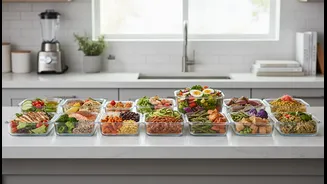
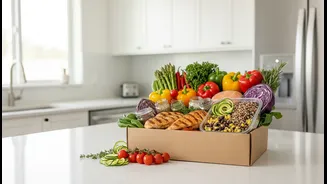
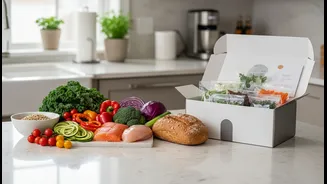
Think of it as a tiffin service for the digital age, but with a focus on curated health. Companies across major Indian cities like Mumbai, Bengaluru, and Delhi now offer services where customers can sign up for daily, weekly, or monthly meal plans. Typically, the process is simple: you choose a plan based on your dietary goals—be it weight loss, muscle gain, or simply balanced eating—and select your meal preferences, such as vegetarian, keto, or high-protein. Freshly cooked, portion-controlled meals are then delivered to your doorstep, ready to heat and eat. This model eliminates decision fatigue and the daily chore of cooking.
The Health and Nutrition Factor
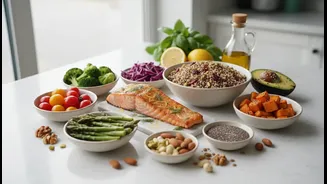
The core promise of these services is health, and many deliver on this by design. Meals are often planned by nutritionists to ensure they are balanced. Key benefits include built-in portion control, which is crucial for managing calorie intake, and the use of fresh, quality ingredients without hidden preservatives or additives. Many services provide detailed macronutrient information (protein, carbs, fats), making it easier for customers to track their intake and meet specific fitness or health objectives. According to nutritionist Khushboo Jain Tibrewala, when done right, these services can deliver fantastic results beyond just weight loss, potentially helping to manage lifestyle disorders.
Weighing Convenience Against Cost
The biggest question for many potential subscribers is whether it's worth the price. While home cooking from scratch is generally more cost-effective, meal subscriptions argue their value in other currencies: time and reduced food waste. When you factor in the hours saved on planning, shopping, and cooking, the premium price can seem more reasonable. Furthermore, because meals are pre-portioned, you waste less food than you might when buying groceries for recipes you never get around to making. The cost per meal is often less than ordering from a restaurant, striking a middle ground between cooking and frequent takeouts.
Building a Habit or a Crutch?
The headline's notion of a "subscription habit" is a key part of the appeal and a point for consideration. On one hand, these services help build a consistent habit of healthy eating by making it effortless. The regularity and structure can be a powerful tool for achieving long-term wellness goals. On the other hand, a total reliance on these services could mean losing touch with the skill and joy of cooking. Some critics also point to potential taste fatigue if the menu isn't varied enough. The ideal approach for many may be a flexible one, using subscriptions to cover busy weekdays while still enjoying home cooking on weekends.
Is a Meal Subscription Right for You?
Deciding to subscribe depends on your individual lifestyle, budget, and priorities. Ask yourself a few questions: What is my primary goal—convenience, health, or weight management? How much time and mental energy do I currently spend on food? Does my budget allow for it? Many services offer trial plans, allowing you to test the food quality, variety, and delivery reliability before committing to a longer-term plan. Exploring reviews and finding a service that caters to your specific dietary needs, like offering authentic Indian flavours or specific diet plans, is crucial for long-term satisfaction.