




Khonoma, Nagaland: The Green Village
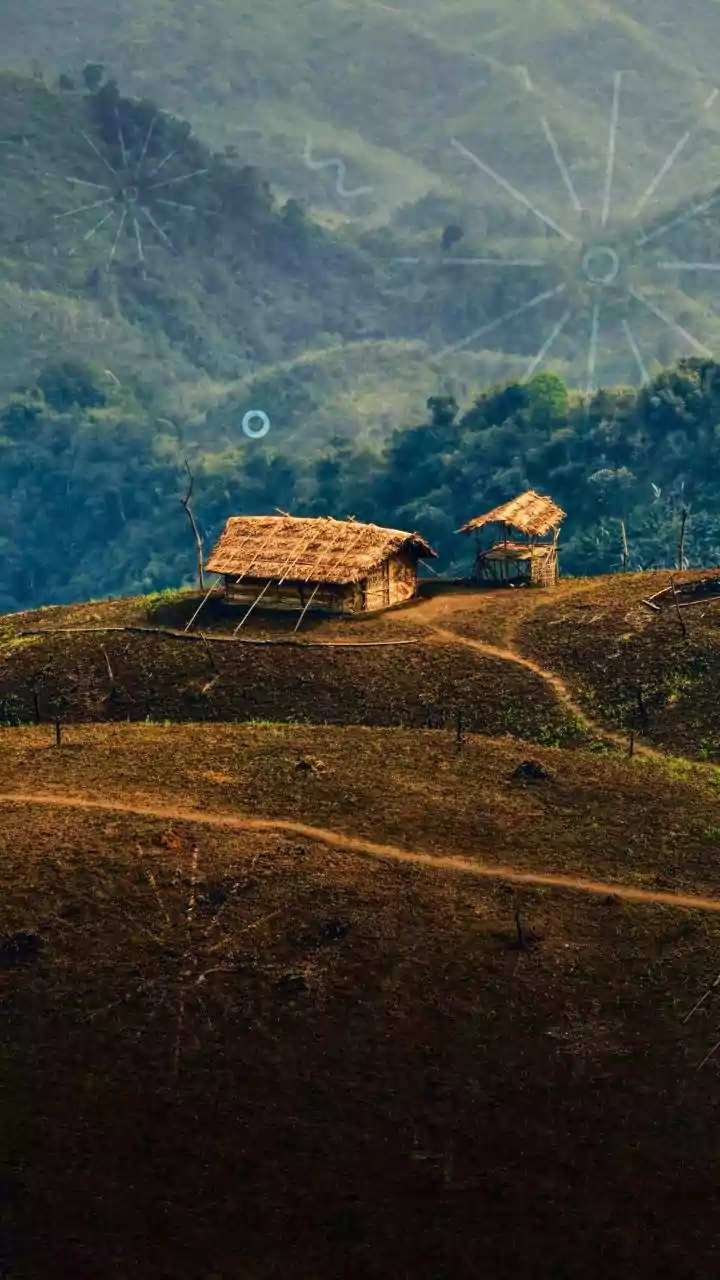
Cradled in the hills of Nagaland, Khonoma is celebrated as India's first green village. This was not a government directive, but a collective decision by the Angami community, who banned hunting and logging to protect their ancestral forests and the endangered
Blyth's Tragopan. When you visit, you stay in homestays run by local families, eat meals cooked with organic produce from their gardens, and hire villagers as guides. Your travel spending directly funds these families and the Khonoma Nature Conservation and Tragopan Sanctuary, a conservation effort managed entirely by the village. This model ensures that tourism provides a sustainable income that reinforces, rather than replaces, their deep-rooted cultural values and respect for nature.
Mawlynnong, Meghalaya: Asia’s Cleanest Village
Long before it became a famous travel destination, Mawlynnong was known for its exceptional cleanliness, a community-wide practice deeply embedded in the Khasi way of life. Dubbed 'Asia's Cleanest Village', the community's commitment is visible in its spotless lanes, bamboo dustbins, and beautifully manicured gardens. Tourism here is a natural extension of their civic pride. Locals manage the guesthouses and homestays, guide tourists to the incredible living root bridges—a marvel of indigenous bio-engineering—and run small eateries serving traditional Khasi food. By visiting, you contribute to a local economy that thrives on maintaining its pristine environment and offers a powerful lesson in sustainable living.
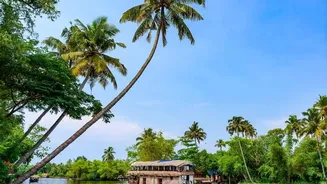
Kumbalangi, Kerala: The Model Tourism Village
Just a short drive from Kochi, Kumbalangi was designated India's first 'Model Tourism Village' in 2003. This island village offers a fascinating look into the traditional life of Kerala's backwaters. The Kumbalangi Integrated Tourism Village Project was a pioneering initiative to create livelihoods for villagers through tourism. Visitors can watch fishermen use ancient Chinese fishing nets, learn coir weaving from local women, and take canoe trips through mangrove forests. The income generated helps fund village infrastructure like better roads and waste management systems, directly improving the quality of life for residents while preserving the fragile backwater ecosystem.
Hodka, Gujarat: The Artisan's Gateway to the Rann
In the Banni grasslands near the Great Rann of Kutch, Hodka stands out as a triumph of community enterprise. The village is home to the Shaam-e-Sarhad ('Evening on the Border') Resort, an award-winning rural tourism venture owned and managed entirely by the local Hodka community. Visitors stay in 'bhungas'—traditional circular mud huts decorated with intricate mirror work—and experience the rich craft traditions of the region, including embroidery and leatherwork. Profits from the resort are managed by a village committee and are reinvested into local salaries, village infrastructure, and cultural preservation, ensuring that the benefits of tourism are shared by all.
Spiti Valley, Himachal Pradesh: A Network of Homestays
In the high-altitude desert of Spiti, tourism is not about large hotels but about intimate, family-run homestays scattered across villages like Langza, Komic, and Tabo. Organizations like Spiti Ecosphere have helped local families set up a network of homestays, providing a sustainable income in a region with harsh agricultural conditions. When you stay in a Spitian homestay, you share meals in a traditional kitchen, sip butter tea, and learn about the ancient Buddhist culture and daily life from your hosts. This model empowers local families, particularly women, and allows travellers to experience the profound hospitality and resilience of the Spitian people in a way that is authentic and respectful.
Pangot, Uttarakhand: A Paradise for Birdwatchers
A quiet hamlet near Nainital, Pangot has transformed into a premier destination for birdwatching, with over 580 recorded species. The tourism here is low-impact and nature-focused. Instead of large resorts, the village offers a collection of cozy lodges and homestays that cater to nature lovers. Local youths are trained as expert birding guides, leading visitors through the oak and rhododendron forests of the Naina Devi Bird Conservation Reserve. This creates skilled employment that depends on the preservation of the forest ecosystem. Your visit supports a model where conservation is not a byproduct of tourism but its very foundation.
Lachen, Sikkim: Responsible Mountain Tourism
Lachen is a remote village in North Sikkim that serves as the gateway to stunning Himalayan landscapes like Gurudongmar Lake. The community here, with the help of the Lachen Tourism Development Committee, has taken charge of its tourism destiny. They have implemented responsible tourism practices, including regulating tourist flow and promoting eco-friendly initiatives. Tourism is a significant contributor to the local economy, and recent government initiatives aim to further boost its potential by opening up to more visitors and developing cultural infrastructure. Visiting Lachen supports a community that is actively working to balance economic growth with cultural and environmental preservation in a fragile Himalayan region.
Munsiyari, Uttarakhand: Where Homestays Meet the Himalayas
Nestled in the Kumaon Himalayas with stunning views of the Panchachuli peaks, Munsiyari has become a hub for trekkers and nature lovers. The community here, particularly in the nearby village of Sarmoli, has embraced a homestay model that empowers locals. Women who were once solely farmers have become homestay owners and entrepreneurs, guiding visitors on village walks and sharing insights into the local Bhotia culture. This shift has not only provided a vital source of income but has also given local women a powerful voice in the community. Visiting Munsiyari allows you to directly support this grassroots movement, where tourism fosters economic independence and cultural pride.