
The Danger in Stagnant Water: Leptospirosis
That inviting puddle your dog loves to splash through could be a serious health hazard. Stagnant water, common during India's monsoons, is a prime breeding ground for the Leptospira bacteria. This causes Leptospirosis, a severe infection that can be transmitted
from animals to humans. The bacteria enter your pet's body through the mouth or any small cuts on their paws when they walk in or drink from contaminated water. Symptoms can appear within days and include fever, vomiting, shivering, muscle pain, and lethargy. In severe cases, it can lead to kidney or liver failure. Prevention is crucial: steer your dog away from puddles and waterlogged areas and consider speaking to your vet about a leptospirosis vaccine.
An Explosion of Ticks and Fleas
The high humidity and dampness of the monsoon create a perfect environment for ticks and fleas to multiply. These parasites thrive in wet grass and overgrown vegetation, making post-walk checks essential. Ticks can transmit dangerous illnesses like tick fever, which includes diseases like Ehrlichiosis and Babesiosis, leading to high fever, loss of appetite, and anemia. Fleas reproduce rapidly and can cause intense itching, allergic reactions, and tapeworm infections. Be vigilant and check your pet's entire body daily, especially between the toes, under the collar, and around the ears. Using a vet-approved preventative treatment is one of the most effective ways to keep these parasites at bay.
Persistent Skin and Paw Infections
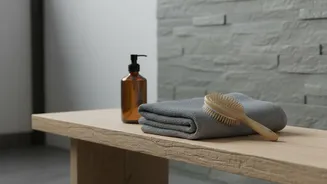
Constant dampness is the number one cause of skin problems during the rainy season. A wet coat that doesn't dry properly creates an ideal environment for fungal and bacterial growth, leading to issues like 'hot spots' (acute moist dermatitis), yeast infections, and foul odours. Your dog's paws are particularly vulnerable, as they are constantly in contact with wet, muddy surfaces. This can cause painful infections between the toes. The key to prevention is keeping your pet as dry as possible. Thoroughly towel-dry their coat and paws after every single walk, paying special attention to skin folds, the belly, and ears. For long-haired breeds, a quick blast with a hairdryer on a low setting can make all the difference.
Gastrointestinal and Stomach Upsets
Along with the risk of leptospirosis, drinking from puddles can introduce a host of other bacteria and parasites like Giardia into your pet's system, causing gastrointestinal issues. Symptoms often include vomiting, diarrhea, and loss of appetite. The high humidity also means that food, especially wet or home-cooked meals, can spoil much faster, leading to stomach problems if left out. Always provide fresh, clean drinking water, and never let your pet drink from outdoor sources. During the monsoon, it may be safer to offer boiled or filtered water to minimize risk. Store dry food in airtight containers to prevent it from becoming mouldy or stale in the damp air.
How to Keep Your Pet Safe
A few simple habits can drastically reduce the risks associated with monsoon walks. First, always dry your pet thoroughly after they get wet, focusing on paws, ears, and their underbelly. Second, clean their paws with lukewarm water after every walk to remove mud and potential contaminants. Consider using a pet-safe paw balm for extra protection. Third, stick to your vet-recommended schedule for tick, flea, and deworming treatments, as parasite activity peaks this season. Finally, keep your home environment clean and dry by washing your pet’s bedding frequently and ensuring good ventilation to reduce overall humidity.