








The New Economic Power of Paws
The numbers tell a story of a seismic cultural shift. India's pet care market, once a niche segment, is now a powerhouse projected to be worth over ₹21,000 crore by 2032, growing at a staggering rate. This boom isn't just about premium dog food and fancy
toys. It reflects a deeper change in urban Indian households. With rising disposable incomes, increasing urbanisation, and a shift towards nuclear families, pets are no longer just animals; they are cherished family members. The loneliness induced by the pandemic further accelerated this trend, with pet adoption rates soaring across cities like Mumbai, Bengaluru, and Delhi. This emotional and financial investment in pets means that for a growing demographic, where they live is dictated as much by their furry companion's needs as their own.
From 'No Pets' to Red Carpets
For decades, the default stance of most housing societies and landlords was a strict 'no pets allowed' policy. Renters often had to hide their pets or face eviction. This created a stressful and uncertain environment for millions of urban pet owners. Today, that landscape is being completely redrawn. The most forward-thinking real estate developers have realised that being 'pet-friendly' is no longer a concession but a powerful marketing tool. In a competitive market, catering to pet owners has become a key differentiator. New residential projects are now advertising 'pet-friendly' as a primary feature, not a footnote. This shift is forcing older buildings and reluctant housing societies to reconsider their rigid rules, as they risk losing out on a large and affluent pool of potential residents.
Inside the New 'Paw-sh' Apartments
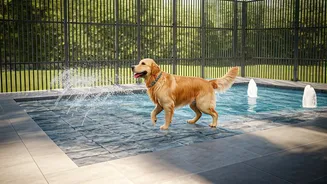
So, what does this new pet-centric living look like? It goes far beyond simply allowing a dog or cat. We are seeing the rise of dedicated, high-end amenities designed specifically for animals. Think exclusive, leash-free dog parks within the building complex, complete with agility equipment and running tracks. Some premium properties now feature indoor pet spas and grooming stations, where residents can book appointments without leaving the building. Other innovations include dedicated pet-washing areas near building entrances to clean muddy paws after a walk, pet-friendly elevators to avoid conflicts, and even on-call veterinary services coordinated through the building’s concierge. These features aren't just perks; they are integrated into the very architecture and service offerings of the building, signaling a fundamental change in what constitutes luxury urban living.
A Developer's New Best Friend
From a business perspective, the logic is undeniable. Developers who invest in pet amenities can command higher premiums on their properties, whether for sale or for rent. These features attract a desirable demographic: young professionals, DINKs (Dual Income, No Kids), and families who have the financial capacity for premium housing and the emotional drive to provide the best for their pets. By creating a welcoming environment for pets, developers are also fostering a strong sense of community. Shared spaces like dog parks naturally become social hubs, where neighbours connect and form bonds. This enhances the overall living experience, leading to higher resident satisfaction and lower turnover—a win-win for both residents and property managers.