

In the world of healthy eating, few ingredients are as trendy as avocados and chickpeas. They often share a plate in vibrant salads and bowls, but when it comes to protein, one of them does all the heavy lifting. Let's settle the score.
The Protein Showdown: By the Numbers
Let's get straight
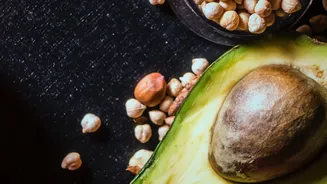
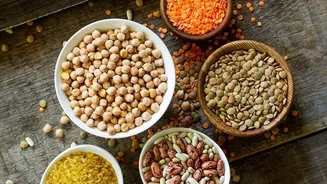
to the point. The headline is correct, and it's not even a close contest. A 100-gram serving of cooked chickpeas (chana) contains about 8 to 9 grams of protein. In stark contrast, the same 100-gram serving of avocado provides only about 2 grams of protein. This means chickpeas offer more than four times the amount of protein as avocados. While calories are similar—around 164 for chickpeas and 160 for avocado—their nutritional jobs are completely different. The macronutrient profile tells the story: chickpeas are a balanced source of protein and complex carbohydrates, while avocado's calories come overwhelmingly from fat.
Chickpeas: The Unsung Protein Hero
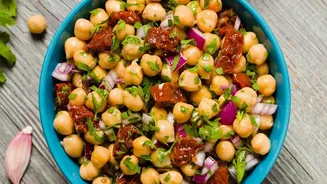
For many in India, the chickpea is a humble pantry staple, the foundation of dishes from chana masala to simple boiled salads. Its recent rise in global health circles is no surprise. Beyond its significant protein content, it is an excellent source of dietary fibre, with a 100-gram serving providing a substantial portion of your daily needs. This combination of protein and fibre is what makes chickpeas so filling, helping to stabilise blood sugar levels and keep you feeling satisfied for longer. They are also packed with essential minerals like manganese, folate, iron, and magnesium, making them a true nutritional powerhouse that supports everything from energy levels to bone health.
Avocado's Real Superpower: Healthy Fats
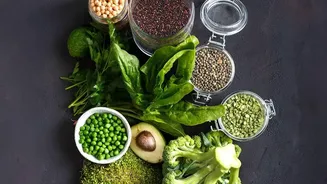
So, if avocado isn't a protein star, why is it so celebrated? Its superpower lies in its fat content—but the good kind. Avocados are rich in monounsaturated fats, the same heart-healthy fats found in olive oil. These fats are crucial for brain health, reducing inflammation, and helping your body absorb fat-soluble vitamins from other foods. That's why pairing avocado with leafy greens and other vegetables is such a smart move. Avocados are also a great source of fibre, potassium, and vitamins like E, K, and B9 (folate). Think of avocado not as a protein source, but as a healthy fat and nutrient booster that adds creaminess and richness to your meal.
Making a Complete Protein
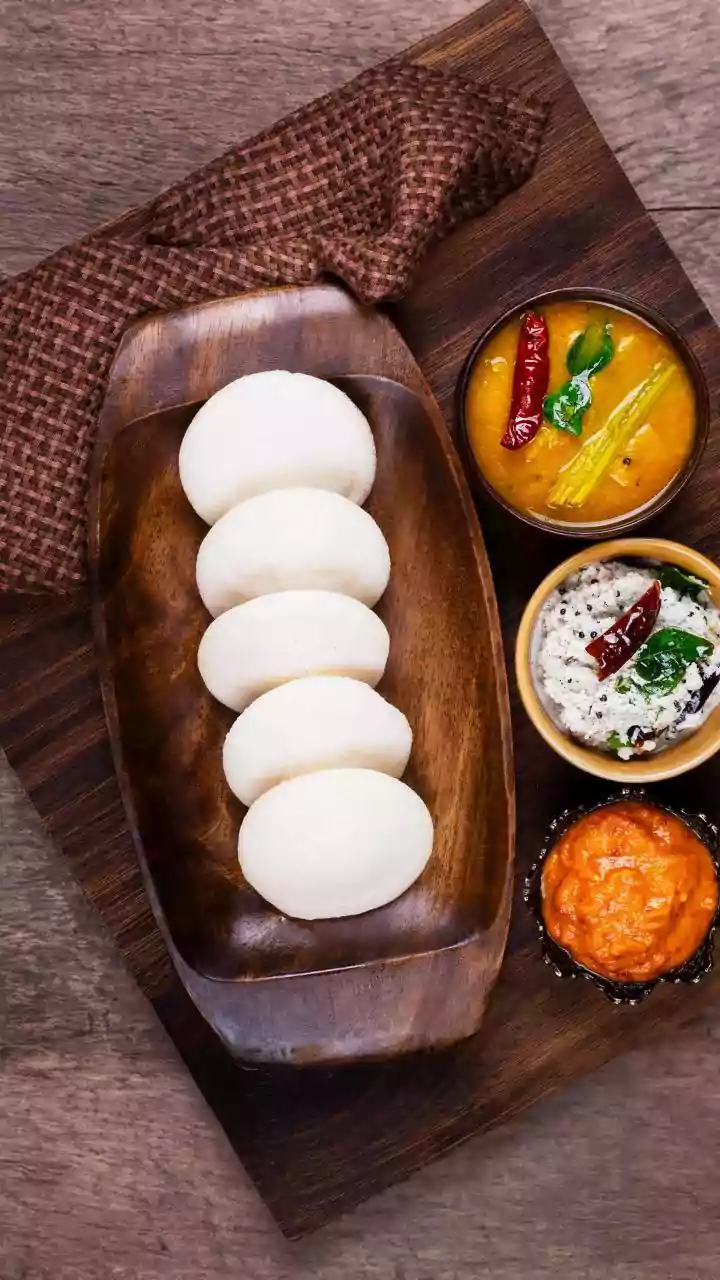
One common question about plant-based sources like chickpeas is whether they are a 'complete protein'. A complete protein contains all nine essential amino acids your body can't produce on its own. Chickpeas contain all nine, but they are low in one called methionine. However, this is easily solved through a concept called 'protein complementation'. Grains like rice, roti (wheat), and quinoa are typically high in methionine. By pairing chickpeas with these grains—as is traditional in many Indian meals like chana chawal—you create a complete protein profile, giving your body all the building blocks it needs. You don't even need to eat them in the same meal; consuming a variety of plant foods throughout the day is sufficient.
The Perfect Pair After All
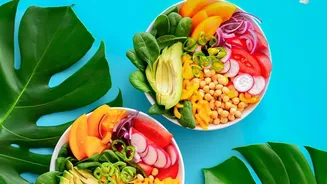
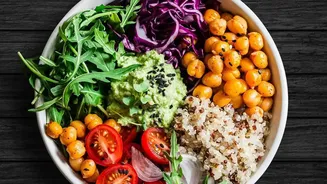
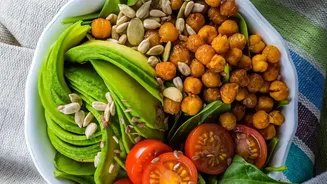
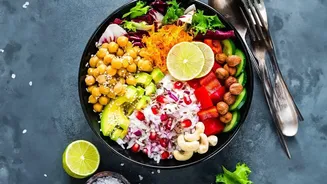
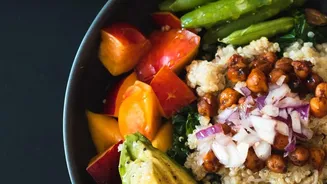
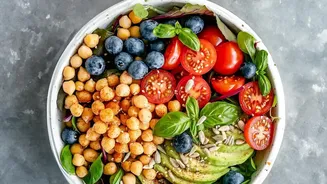
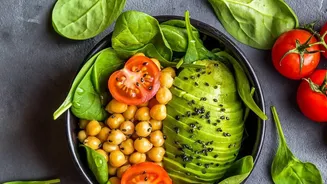
Despite the lopsided protein contribution, a meal with both chickpeas and avocado is a fantastic nutritional choice. The chickpeas provide a solid foundation of protein and fibre for satiety and muscle support. The avocado adds healthy fats that make the meal more satisfying, help regulate blood sugar, and enhance nutrient absorption. For a quick, balanced, and delicious lunch, consider a chickpea and avocado salad with a squeeze of lemon, or mashed chickpeas and avocado on whole-wheat toast. You get the protein punch from the chickpeas, creamy texture and healthy fats from the avocado, and a wide array of vitamins and minerals from both. They aren't competitors; they're a team that works better together.