







What's in the Air and Why it Hurts
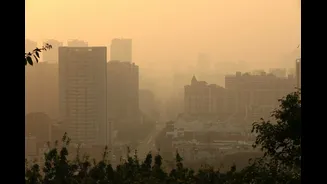
Delhi's air, especially during high-pollution seasons, is a toxic cocktail of particulate matter (PM2.5 and PM10), nitrogen dioxide, carbon monoxide, and sulphur dioxide. Unlike our respiratory system, which has some natural filters, our eyes are completely
exposed. These tiny, abrasive particles land directly on the ocular surface and dissolve into your tear film. This disrupts the natural protective layer that keeps your eyes moist and healthy, leading to immediate irritation. The chemical reaction between pollutants and your tears can cause oxidative stress, inflaming the delicate tissues of the eye. The result is a cycle of discomfort that can feel inescapable.
The Most Common Symptoms to Watch For
The body's reaction to these pollutants is swift and uncomfortable. The most common signs that the air quality is affecting your eyes include a persistent burning or stinging sensation, and redness as the blood vessels on the eye's surface become irritated. Many people experience excessive watering as the eyes try to flush out the foreign particles. Conversely, others suffer from severe dryness, as the pollution and dry winter air accelerate tear evaporation, leaving the eyes feeling gritty or scratchy, as if sand is stuck in them. Itching is another major complaint, which often leads to rubbing—a habit that can introduce more germs and worsen the irritation. In some cases, people might also experience blurred vision or an increased sensitivity to light.
Who Is Most Vulnerable?
While everyone is at risk, certain groups are more susceptible to severe symptoms. Individuals who already suffer from conditions like dry eye disease will find their symptoms worsen dramatically on high-pollution days. Contact lens wearers are also at higher risk, as pollutants can get trapped under the lens, causing significant discomfort and increasing the risk of infection. Children and the elderly, whose eyes may have weaker natural defences, are also more vulnerable. Lastly, anyone who spends extended time outdoors, such as daily commuters or construction workers, faces prolonged exposure and, therefore, a greater impact on their eye health.
Simple Steps for Daily Protection
You can’t control the air quality, but you can take steps to shield your eyes. The simplest and most effective measure is to wear protective eyewear when you step outside. Wraparound sunglasses or even clear, well-fitted glasses can create a physical barrier against dust and particulate matter. Try to limit your time outdoors when the Air Quality Index (AQI) is in the 'Severe' or 'Very Poor' category, especially during peak traffic hours. At home, using an air purifier can help reduce the number of indoor airborne irritants. Staying well-hydrated by drinking plenty of water also helps your body maintain adequate moisture in the eyes.
How to Find Immediate Relief
When your eyes are already irritated, the priority is to soothe them safely. A crucial rule is to avoid rubbing your eyes, as this only makes the inflammation worse. Instead, use preservative-free lubricating eye drops, also known as artificial tears, to help moisten the eyes and flush out pollutants. Using these drops four to five times a day can provide significant relief. A clean, cold compress over closed eyelids can also help reduce burning and swelling. When you return home, gently wash your face and eyelids to remove any lingering particles. However, avoid splashing tap water directly into your eyes, as it can sometimes cause more irritation.