




A Global Culinary Awakening
For years, the international understanding of Indian cuisine was largely limited to a handful of North Indian staples. While delicious, this narrow view overlooked the subcontinent's vast and varied culinary landscape. Now, that's changing. Food lovers
and trend-watchers are looking beyond the usual suspects and delving into India's diverse regional cuisines. This shift has brought the spotlight to the southwestern coast, with publications like Lonely Planet and food intelligence platforms like Datassential taking notice. [7, 5] In fact, Lonely Planet named Kerala's culinary tradition one of its top 25 global travel experiences for 2026, the only destination from India to make the list. [5, 14] This isn't just about a few new dishes; it's a recognition of a complex food culture finally getting its due on the world stage. [5]
The Taste of 'God's Own Country'
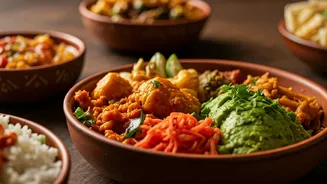
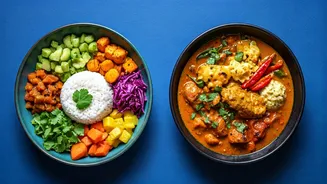
So what makes Kerala’s food so captivating? It starts with a unique flavour profile built on a holy trinity of ingredients: coconut, rice, and a wealth of local spices. [3] Unlike the heavy cream-based curries of the north, Kerala's cuisine is light, layered, and deeply connected to its geography. [8, 15] Coconut is the undisputed star, used in every conceivable form—as milk for creamy stews, grated into vegetable stir-fries (thoran), and as oil for frying, lending a subtle sweetness and rich texture to countless dishes. [3, 16] The state's history as a global spice hub means that pepper, cardamom, cloves, and turmeric are expertly balanced, creating flavours that are aromatic and warm rather than overwhelmingly hot. [3, 5] This is complemented by tangy notes from ingredients like Malabar tamarind (kudampuli), especially in iconic fish curries. [4, 13]
From Comfort Food to Modern Wellness
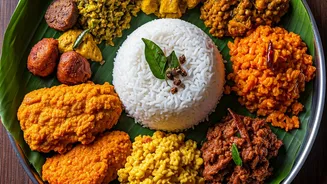
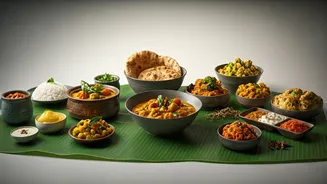
A significant driver of Kerala cuisine's rising popularity is its surprising alignment with modern wellness trends. [3] The emphasis on fresh, seasonal vegetables, seafood, and fermented foods resonates with today's health-conscious diner. [3, 20] Many dishes are naturally vegetarian, vegan, or gluten-free. For instance, the beloved breakfast duo of *appam* (a lacy, fermented rice pancake) and stew is light yet satisfying. [4, 13] The principles of Ayurveda, the ancient Indian system of holistic medicine, are deeply woven into the culinary fabric, promoting balance through the six tastes and the use of medicinal spices like turmeric and ginger. [17, 18, 23] This makes a traditional Kerala meal, like the vegetarian feast *sadhya*, not just a treat for the senses but also inherently nourishing. [16]
Dishes Leading the Charge
While the overall philosophy of the cuisine is gaining traction, a few key dishes are becoming global ambassadors. The Malabar biryani, with its fragrant, short-grain jeerakasala rice and mild yet complex spice blend, offers a lighter alternative to its heavier counterparts. [3] *Appam*, often paired with a gentle vegetable or meat stew, is winning over those shy of intense spice. [4] For seafood lovers, *karimeen pollichathu* (pearl spot fish marinated in spices and grilled in a banana leaf) offers a quintessential backwater flavour experience. [13] And of course, there's the flaky, layered Malabar parotta, a perfect vehicle for mopping up rich meat roasts. [4] These dishes are appearing on menus in cities from London to New York, as chefs explore and celebrate India's regional diversity. [3, 9]