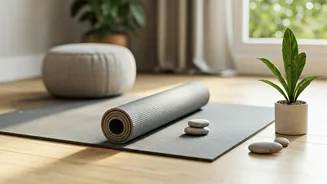









More Than Just a Mat
For generations, yoga in India was often viewed as a serious, ascetic practice reserved for gurus and the deeply spiritual. It was something your grandparents might do at dawn, a discipline steeped in tradition. But today, a different picture is emerging.
Yoga has shed its intimidating image and embraced a new identity as a mainstream lifestyle choice. It’s now seen as a tool for managing the stresses of modern urban life, a way to achieve physical fitness, and a form of self-care. This shift from a purely spiritual pursuit to a holistic wellness solution is at the heart of its booming popularity, attracting a younger, more diverse audience than ever before.
The Digital Guru Effect
A significant catalyst for this resurgence is the digital revolution. Social media platforms like Instagram and YouTube have become virtual yoga shalas, democratising access to knowledge that was once passed down from teacher to student. Indian yoga influencers, with millions of followers, post daily tutorials, wellness tips, and aesthetically pleasing photos of complex asanas against scenic backdrops. They have made yoga accessible, aspirational, and trendy. Beyond social media, a plethora of mobile apps now offer guided classes, meditation sessions, and personalised routines, allowing anyone with a smartphone to practice anytime, anywhere. This digital ecosystem has dismantled barriers of time, cost, and geography, bringing yoga directly into the homes of millions.
A National and Global Push
The buzz isn't just organic; it has received a powerful institutional push. The Indian government’s successful campaign to establish June 21st as International Day of Yoga in 2015 was a masterstroke in cultural diplomacy. The annual event, marked by mass yoga demonstrations in public squares across the country and the world, has amplified yoga's profile and reinforced its connection to Indian identity. This governmental support, managed through bodies like the Ministry of AYUSH, has not only boosted national pride but also positioned yoga as a key component of public health initiatives and a valuable cultural export. This formal recognition has added a layer of legitimacy and encouraged even more people to take up the practice.
The New Yoga Economy
Where there is buzz, business follows. The growing interest has spawned a vibrant and lucrative yoga economy. Boutique studios offering everything from hot yoga and aerial yoga to pre-natal classes are flourishing in metropolitan cities. The demand for qualified instructors has led to a boom in teacher training courses. Alongside this, a market for yoga-related products has exploded. Consumers are now spending on fashionable activewear, eco-friendly mats, props, and wellness accessories. Furthermore, wellness tourism is on the rise, with both domestic and international tourists flocking to yoga retreats in places like Rishikesh, Goa, and Kerala, creating a self-sustaining ecosystem that fuels further growth and employment.
A Search for Stillness in the Chaos
Ultimately, the enduring and growing appeal of yoga in an increasingly fast-paced and digitised India may boil down to a fundamental human need: the search for balance. In a society grappling with rapid urbanisation, professional pressures, and constant digital stimulation, yoga offers a rare sanctuary for stillness and introspection. It provides a framework for disconnecting from the external chaos and reconnecting with oneself. While the forms and formats may be modernising, the core promise of yoga—the union of mind, body, and spirit—remains as relevant and potent as ever, offering a timeless solution to very modern problems.