
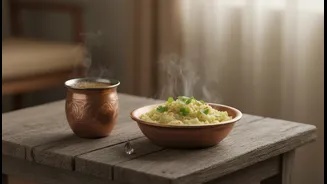



The Classic Comfort: Sabudana Khichdi
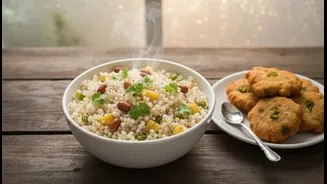
Sabudana Khichdi is a quintessential fasting dish across India, loved for its delightful texture and comforting taste. Made from tapioca pearls, this dish provides a great source of energy to start your day. To prepare this classic, begin by soaking the
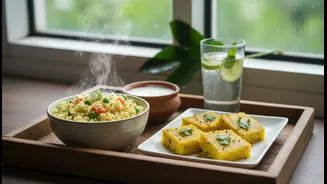
sabudana until they are soft and fluffy. Heat a pan with ghee and temper it with cumin seeds, green chillies, and curry leaves. Add boiled and cubed potatoes, and sauté them before adding the soaked sabudana, roasted peanut powder, and sendha namak (rock salt). Cook until the pearls turn translucent. A final squeeze of lemon juice enhances the flavours and helps separate the pearls. This dish is not only compliant with vrat rules but is also light on the stomach, making it an ideal breakfast during the humid monsoon weeks.
The Wholesome Pancake: Kuttu ka Cheela
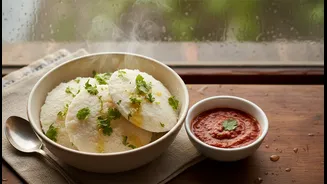
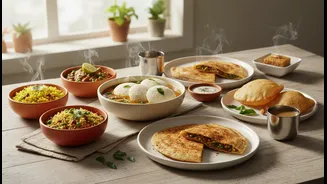
For a nutritious and filling morning meal, Kuttu ka Cheela (buckwheat pancake) is an excellent choice. Buckwheat is a gluten-free pseudo-cereal that is a staple during Hindu fasts, packed with protein and fibre. To make the batter, combine kuttu ka atta (buckwheat flour) with water to form a smooth, medium-thick consistency. Mix in grated potato or bottle gourd (lauki), chopped green chillies, grated ginger, and sendha namak. Some variations also include grated cucumber or sweet potato for added nutrition and flavour. Heat a non-stick tawa, lightly grease it with ghee, and spread a ladleful of the batter to form a thin pancake. Cook on both sides until golden brown and crisp. These cheelas are light, digestible, and quick to make, aligning perfectly with the sattvic principles of Shravan.
The Grain-Free Powerhouse: Samak Rice Pulao
Samak rice, or barnyard millet, is not a true rice but a type of seed, making it a popular choice for fasting meals. This gluten-free ingredient can be used to make a flavourful and light pulao. To begin, rinse and soak the samak rice for about 20-30 minutes. In a pan with hot ghee, add whole spices like cumin seeds, cloves, and cinnamon, along with green chillies and ginger. Sauté diced potatoes and then add the drained samak rice. Pour in water (usually about two and a half times the quantity of the millet), season with rock salt, and cook until the water is absorbed and the millet is soft. Garnishing with fresh coriander leaves and roasted peanuts adds a final touch of freshness and crunch. This pulao is a wholesome meal that provides steady energy without being heavy.
The Fresh & Fruity Start: Seasonal Fruit Chaat
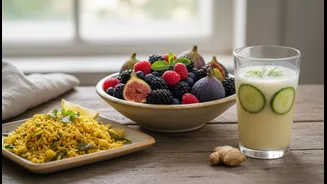
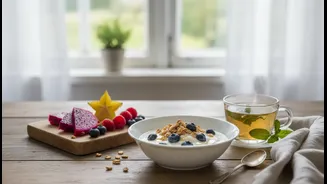
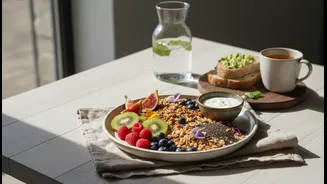
A simple fruit chaat is perhaps the most natural way to align your diet with the season. During the monsoon, a variety of delicious fruits are available, including jamun, pears, plums, peaches, and certain types of mangoes. Fruits are rich in essential vitamins, fibre, and antioxidants, helping you stay hydrated and energetic. To prepare, simply chop a mix of your favourite seasonal fruits into a bowl. For a fasting-friendly dressing, you can sprinkle some powdered sendha namak and black pepper. A squeeze of lemon juice can also be added to brighten the flavours. Avoid regular table salt and strong spices. This refreshing chaat is not only incredibly easy to assemble but also provides a burst of natural sweetness and nutrients to sustain you through your fast.
The Sweet Treat: Makhana Kheer
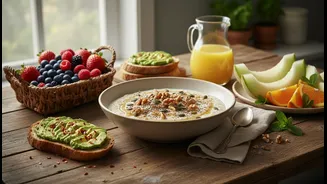
If you prefer a sweeter start to your morning, Makhana Kheer, or fox nut pudding, is a wonderful option. Makhana is a classic vrat ingredient, known for being light and nutritious. To make the kheer, lightly roast the makhana in ghee until they are crisp. You can then either use them whole or coarsely crush them. In a separate pan, bring milk to a boil and add the roasted makhana. Let it simmer on a low flame, stirring occasionally, until the milk thickens and the makhana softens. Sweeten it with jaggery or sugar and add a pinch of cardamom powder for fragrance. Garnish with slivered almonds and pistachios. This creamy and delicious kheer is a comforting and satisfying dish that feels indulgent while still adhering to fasting norms.