




Flights and Visas: Your Only Advance Tasks
While spontaneity is key, booking two things in advance will save you stress and money. First, your flights. Booking these at least four to eight weeks ahead, especially from Indian cities like Chennai or Bengaluru, can secure return fares for as little
as ₹12,000–₹18,000. Second, your visa. As of May 2026, Indian citizens can get a free 30-day Electronic Travel Authorisation (ETA). You must still apply online for this ETA before you travel, but the process is quick and free of charge. Getting these sorted early leaves you free to be completely flexible upon landing.
Travel During the “Shoulder” Seasons
To unlock the best prices, avoid the peak tourist rush from December to March. Instead, aim for the shoulder seasons—April, and from September to November. During these times, accommodation and activity prices drop, and popular sites like Sigiriya or the tea plantations of Nuwara Eliya are far less crowded. Sri Lanka has two monsoon seasons affecting different coasts at different times, which means there's almost always good weather somewhere on the island. For example, when the southwest coast is rainy from May to September, the east coast is often sunny and beautiful.
Master Local Transport on the Go
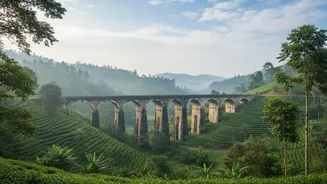
Sri Lanka’s public transport is an adventure in itself and incredibly cheap. The train network is extensive, offering some of the world's most scenic journeys, like the famous Kandy to Ella route. You don’t need to book these weeks in advance; tickets can often be bought at the station a day or two before you travel. For shorter distances and reaching more remote areas, local buses are the go-to option. In cities like Colombo, Kandy, and Galle, ride-hailing apps are a game-changer. PickMe is the most popular local app with wide coverage, while Uber is also available in major urban centres. These apps allow you to book tuk-tuks and cars at a fixed price, avoiding the need to haggle.
Find Accommodation as You Go
Forget pre-booking every hotel. One of Sri Lanka's greatest strengths is its abundance of family-run guesthouses and homestays, which offer incredible value and hospitality. You can often find great places by simply arriving in a town and looking around. For those who prefer a little more certainty, use apps like Booking.com or Agoda to make same-day or next-day reservations. Many hotels offer significant last-minute discounts to fill empty rooms. This approach gives you the freedom to stay longer in a place you love or leave early from one that doesn’t click, all while saving money. A comfortable guesthouse room can cost as little as ₹1,500–₹3,000 per night.
Eat Like a Local for a Fraction of the Cost
Tourist-centric restaurants can quickly drain your budget. The secret to eating well for less is to dine where the locals do. Dive into small eateries for a classic Sri Lankan "rice and curry," a platter of various flavourful dishes that can cost just a few hundred rupees. Street food is another must-try. Keep an eye out for stalls selling kottu roti (chopped flatbread stir-fried with vegetables and meat), hoppers (bowl-shaped pancakes), and fresh tropical fruit juices. A budget-conscious traveller can easily eat well for under ₹800 a day without compromising on taste or experience.
Be Smart with Sightseeing and Activities
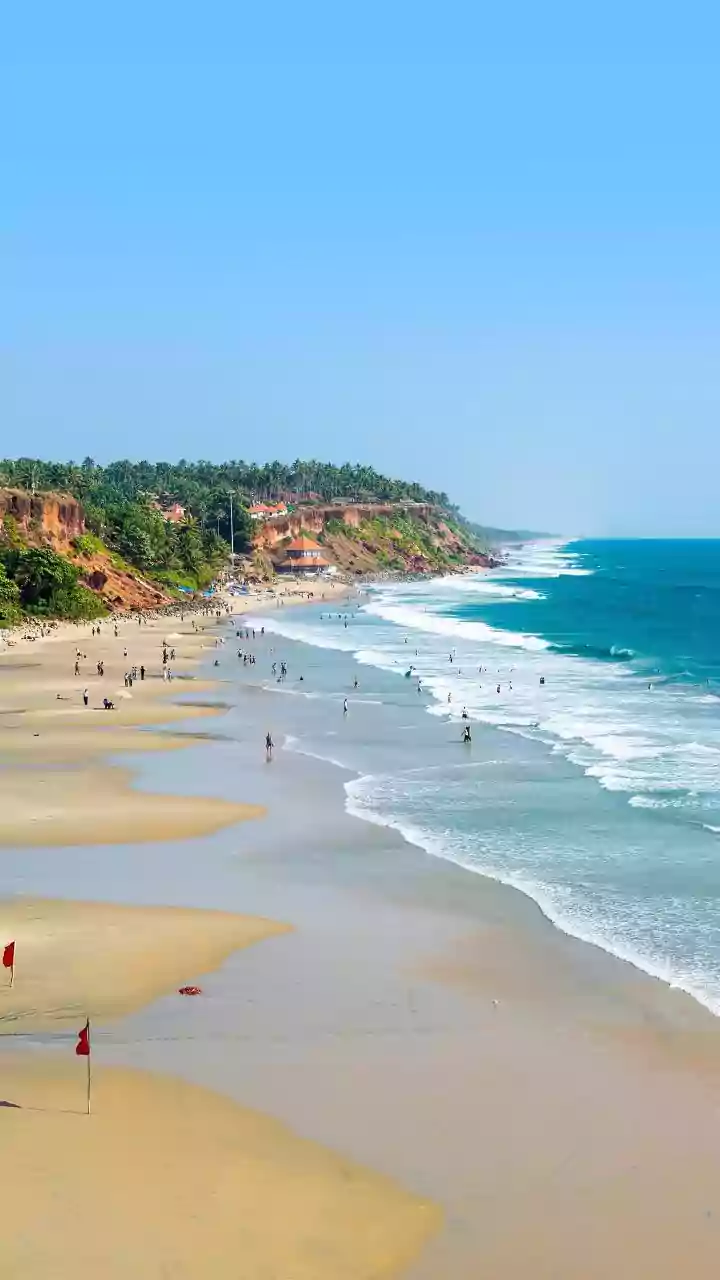
Instead of rushing to see the entire island, focus on one or two regions. This will cut down on travel time and costs. Many of Sri Lanka’s best experiences are free or very cheap, such as hiking to viewpoints like Little Adam's Peak, relaxing on countless beaches, or wandering through bustling markets. While major UNESCO sites like Sigiriya and the Temple of the Tooth have significant entrance fees, you can balance these expenses with free activities. If you're on a tight budget, consider choosing one or two 'splurge' activities, like a wildlife safari in a national park, and fill the rest of your itinerary with low-cost explorations.