



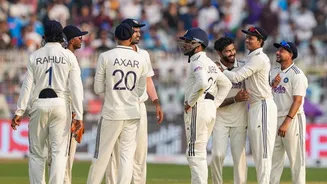
A Tale of Two Halves
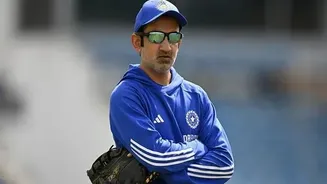
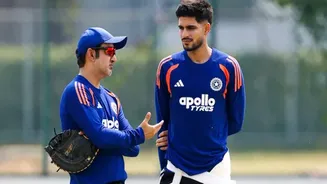
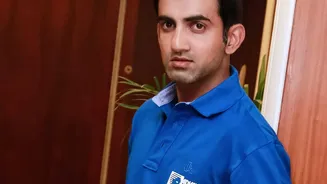
Gautam Gambhir’s time as head coach, which began in July 2024, has been a rollercoaster. On one hand, he led India to two major ICC trophies: the Champions Trophy in 2025 and the T20 World Cup earlier in 2026. These victories ended a long drought for
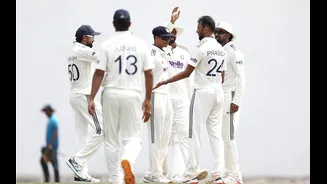
the senior men's team and were seen as a direct result of his famously intense and results-driven approach. However, the period has also been marked by a string of bilateral series losses and a noticeable slump in Test cricket. The team has suffered historic home Test series defeats to New Zealand and South Africa, and a difficult tour of the UK saw them lose T20I series to both Ireland and England. This inconsistency has created a narrative of a team brilliant in knockout tournaments but struggling for consistency otherwise, putting Gambhir's methods under the scanner.
The BCCI's Calculated Patience
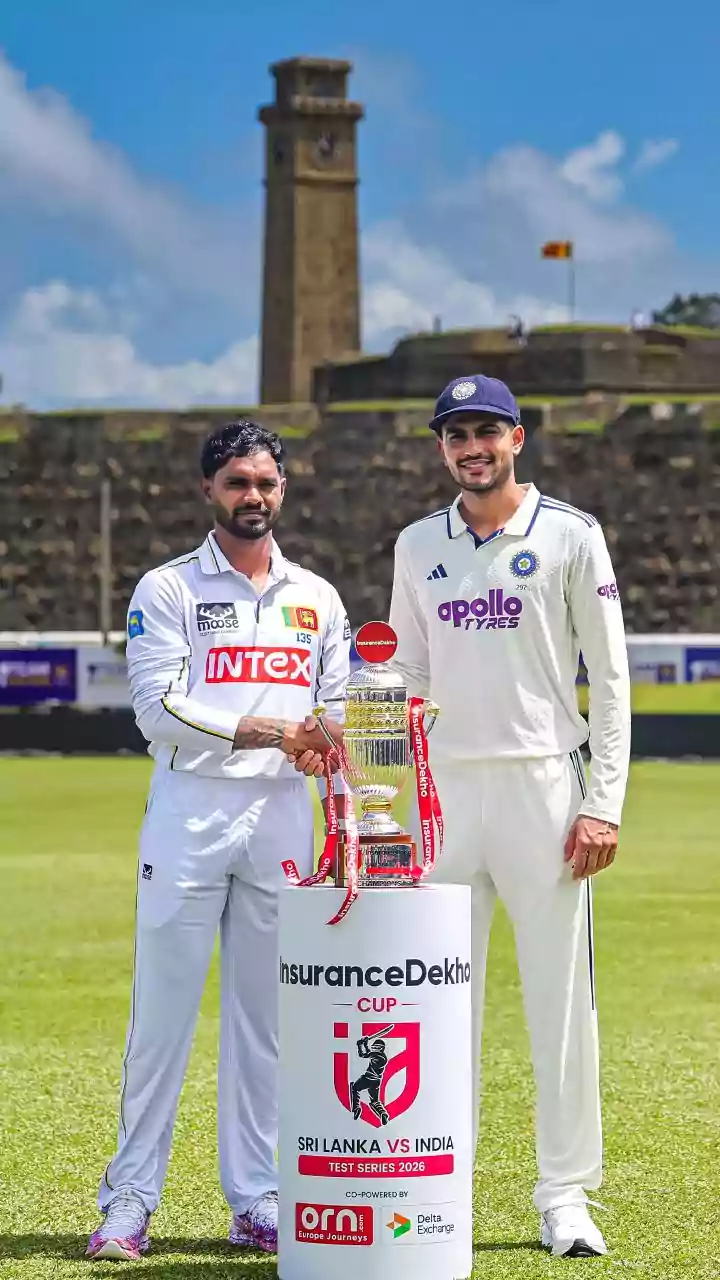
Despite the public pressure and a barrage of media criticism, the latest reports indicate that the Board of Control for Cricket in India (BCCI) is not planning to make a change. According to sources cited across multiple reports, the board is backing Gambhir, and his job is considered safe for now. There appear to be two primary reasons for this stance. Firstly, the BCCI acknowledges that the Test team is in a significant transitional phase. The retirements of stalwarts like Virat Kohli, Rohit Sharma, and Ravichandran Ashwin have necessitated a complete rebuild around a younger core led by new captain Shubman Gill. The board understands that this process requires time and stability in the coaching setup.
Injuries and a Long-Term Vision
The second factor influencing the BCCI's thinking is the spate of injuries to key players, which has hampered team balance and performance. The board seems to be accounting for the absence of crucial players like Jasprit Bumrah in its evaluation of recent results. Furthermore, Gambhir’s contract runs until the 2027 ODI World Cup, and there is a belief that he should be given the full duration to execute his long-term vision, especially in white-ball cricket. While a formal performance review is expected, its focus is more likely to be on the support staff and tactical adjustments rather than the head coach's position itself. The names of fielding coach T. Dilip and others have been mentioned as potentially being under review following underwhelming performances.
No Appetite for Split Coaching
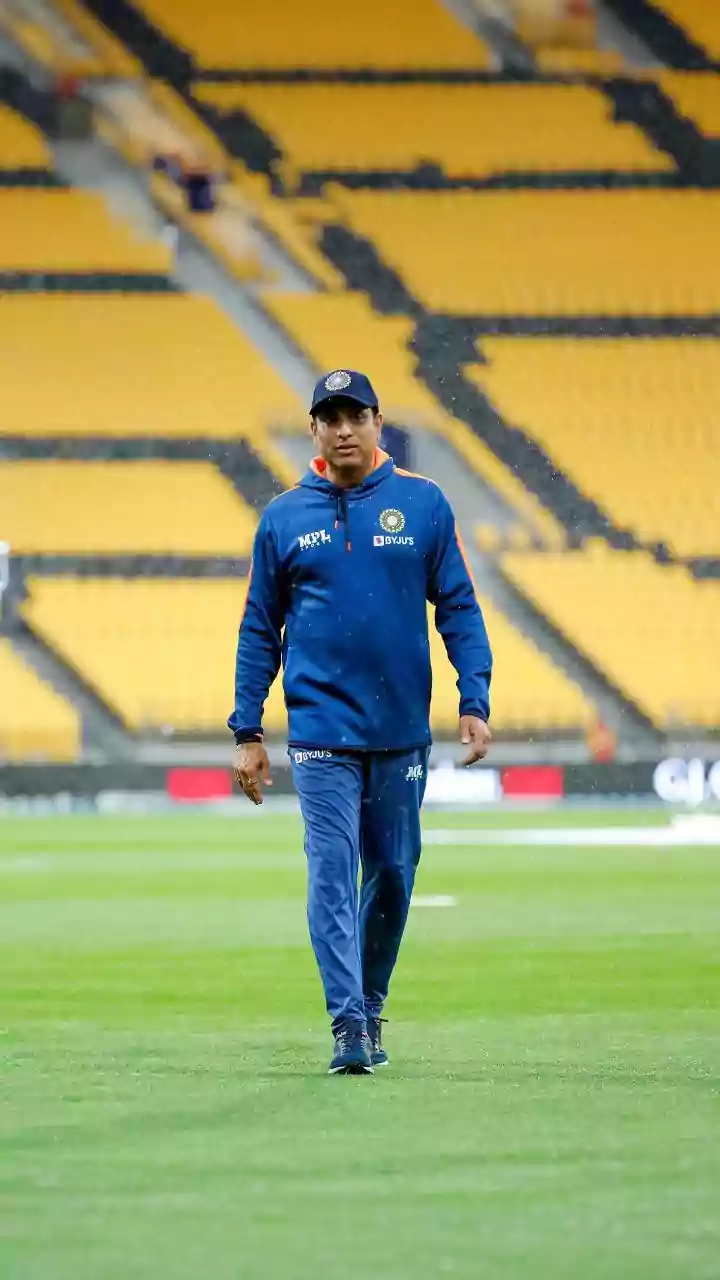
The idea of split coaching—appointing different coaches for Test and limited-overs formats—has been floated in discussions but seems to have little traction within the BCCI. Reports also suggest that VVS Laxman, often seen as a potential alternative, is content with his current role as the head of the National Cricket Academy and is not being considered for an immediate move. This leaves Gambhir as the clear, single point of leadership for the national team across all formats. The board appears to have placed its faith in his ability to navigate the current challenges, rebuild the Test side, and maintain dominance in white-ball ICC events. Unless the team's performance declines dramatically and consistently, or Gambhir himself decides to step away, a sudden change is highly unlikely.