







The Rule: Avoid Leafy Greens
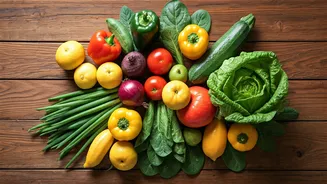
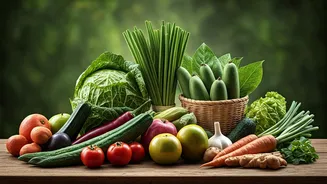
The message from your aunt is clear: 'Don’t eat palak or any green leafy vegetables this season!' The traditional belief is that the damp, humid monsoon weather makes these vegetables a breeding ground for germs. They grow in mud and slush, and the high
moisture content can lead to faster spoilage and a host of microbial contaminants. It’s a warning that has been passed down through generations, often without much explanation beyond a vague sense of danger.
The Reality: Wash, Cook, and Be Wise
Here’s the good news: you don’t have to give up your favourite saag. While the risk is real, it’s not insurmountable. The concern is primarily about contamination from dirty water and soil. Leafy greens have many crevices where bacteria and pests can hide. Modern science confirms that pathogens like E. coli and Salmonella thrive in such conditions. The solution isn't total avoidance, but extra diligence. Wash your greens thoroughly, perhaps by soaking them in a solution of water with a bit of vinegar or turmeric powder. Most importantly, cook them well. High heat is your best friend in killing off any lingering microbes. Avoid eating them raw in salads unless you're absolutely certain of their source and hygiene.
The Rule: Stay Away From Seafood
Another classic piece of monsoon advice is to skip fish and prawns. The reasoning often given is that this is the breeding season for most fish, making it ethically and gastronomically questionable. There's also the fear that the water is more polluted during the rains, contaminating the fish you eat. For many coastal and riverine communities, this rule is practically gospel, with fishing often paused during this period.
The Reality: Freshness Is Everything
This rule has a strong basis in practicality. The monsoon does coincide with the breeding season for many fish species, and avoiding them helps preserve fish stocks. More critically, the risk of waterborne contamination is significantly higher. Furthermore, storms and rough seas can disrupt supply chains, meaning the 'fresh' fish in the market might have been sitting around for longer than you think, increasing the risk of spoilage and food poisoning. If you absolutely must have seafood, buy it from a highly trusted vendor known for excellent cold chain management. Or, better yet, stick to freshwater fish from clean, farmed sources if available. When in doubt, frozen is often a safer bet than questionable 'fresh' catch.
The Rule: No Street Food, Especially Pani Puri
This one hurts the most. The craving for a plate of spicy, tangy pani puri or a hot samosa is never stronger than when it’s pouring outside. Yet, this is the first thing that gets banned in the family chat. The logic is simple: street food is prepared in the open, and the water used is often of questionable origin, making it a primary vehicle for diseases like cholera, typhoid, and jaundice, which see a spike during the monsoon.
The Reality: Choose Your Chaat Wisely
Your family is right to be cautious. The risk of waterborne diseases from street food increases exponentially during the monsoon. The water used for pani puri, chutneys, and even for washing utensils can be contaminated. However, this doesn't mean all street food is off-limits. Deep-fried snacks like pakoras, samosas, and bhajiyas, served piping hot, are generally safer because the high temperature of the oil kills most pathogens. The key is to choose vendors who maintain high standards of hygiene. If you can see them using clean water and fresh ingredients, you're on safer ground. As for pani puri, it’s probably wisest to make it at home during these months.
The Rule: Eat 'Hot' and 'Light' Foods
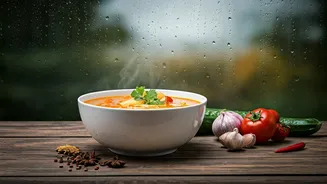
According to Ayurveda, the digestive fire, or 'agni,' is at its weakest during the monsoon. This makes it harder for our bodies to digest heavy foods. Hence, the advice to eat light, cooked meals and incorporate 'hot' spices like ginger, turmeric, black pepper, and garlic. Soups, steamed vegetables, and well-cooked dals are recommended, while heavy curries, fried foods, and rich dairy products are discouraged.
The Reality: A Boost for Your Immunity
While the concept of 'digestive fire' may not be a scientific term, the underlying principle holds true. Our metabolism can be a bit sluggish in humid weather. More importantly, the spices recommended by Ayurveda are powerhouses of immunity. Ginger is anti-inflammatory, garlic is antibacterial, and turmeric (with a pinch of pepper to aid absorption) is a potent antiseptic and immunity booster. A warm bowl of soup or a simple khichdi is not only easy to digest but also comforting and nourishing, helping your body fight off the infections that are common during this season. So, listening to this particular piece of advice can genuinely help keep you healthy.