


The New Urban Experience
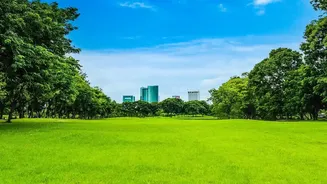
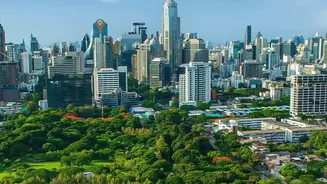
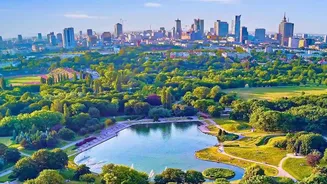
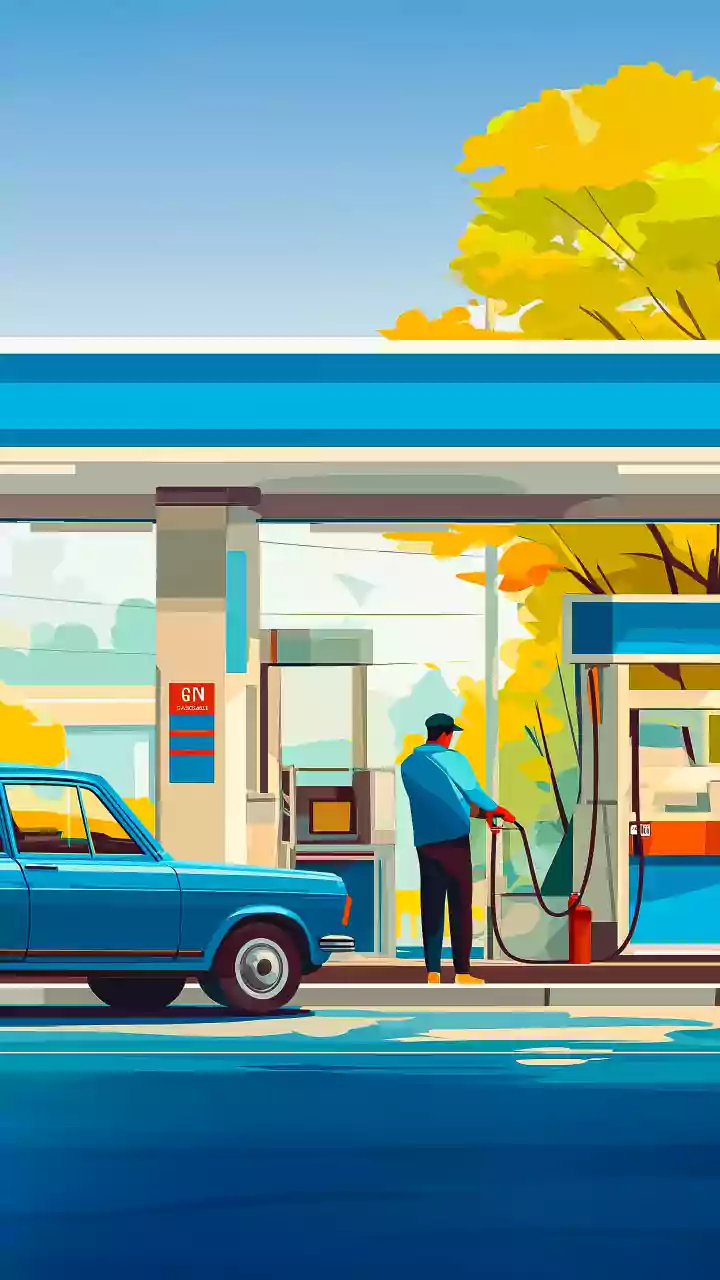
Not long ago, Tier 2 cities were seen as laid-back alternatives to the overwhelming pace of metros. Today, they are economic powerhouses, witnessing rapid urbanization, growing populations, and increasing infrastructure stress. With this growth comes
the familiar side effects once primarily associated with Tier 1 cities: traffic congestion, rising pollution, and a more competitive, fast-paced lifestyle. This has created a new class of urban dwellers who, while proud of their city's progress, feel a growing need to escape the daily grind. The very hustle that signifies opportunity also fuels a desire for peace, quiet, and clean air, making short, accessible breaks a necessity rather than a luxury.
The Search for Wellness and Authenticity
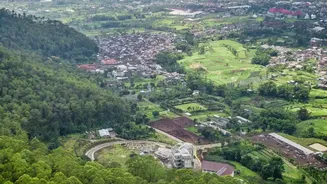
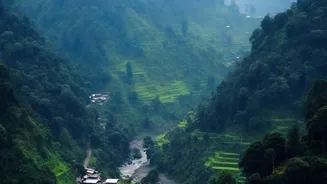
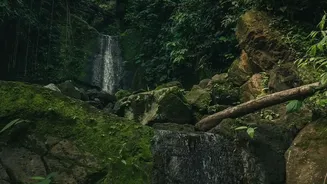
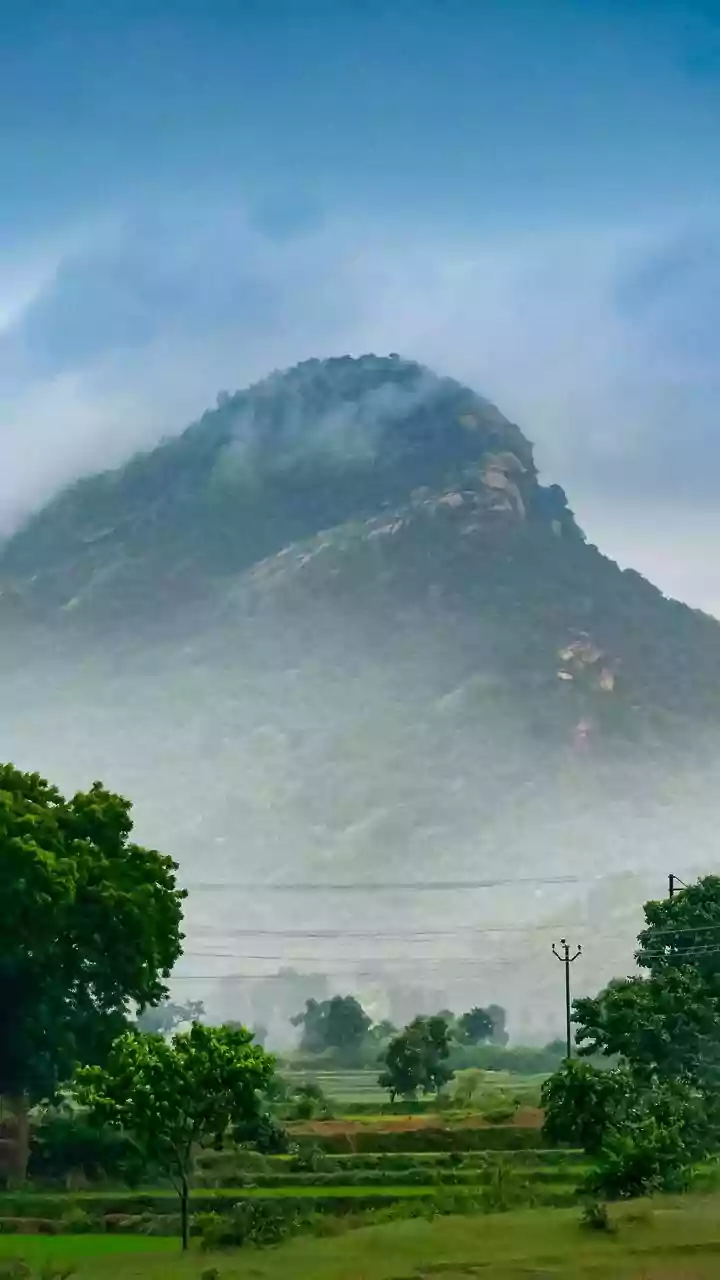
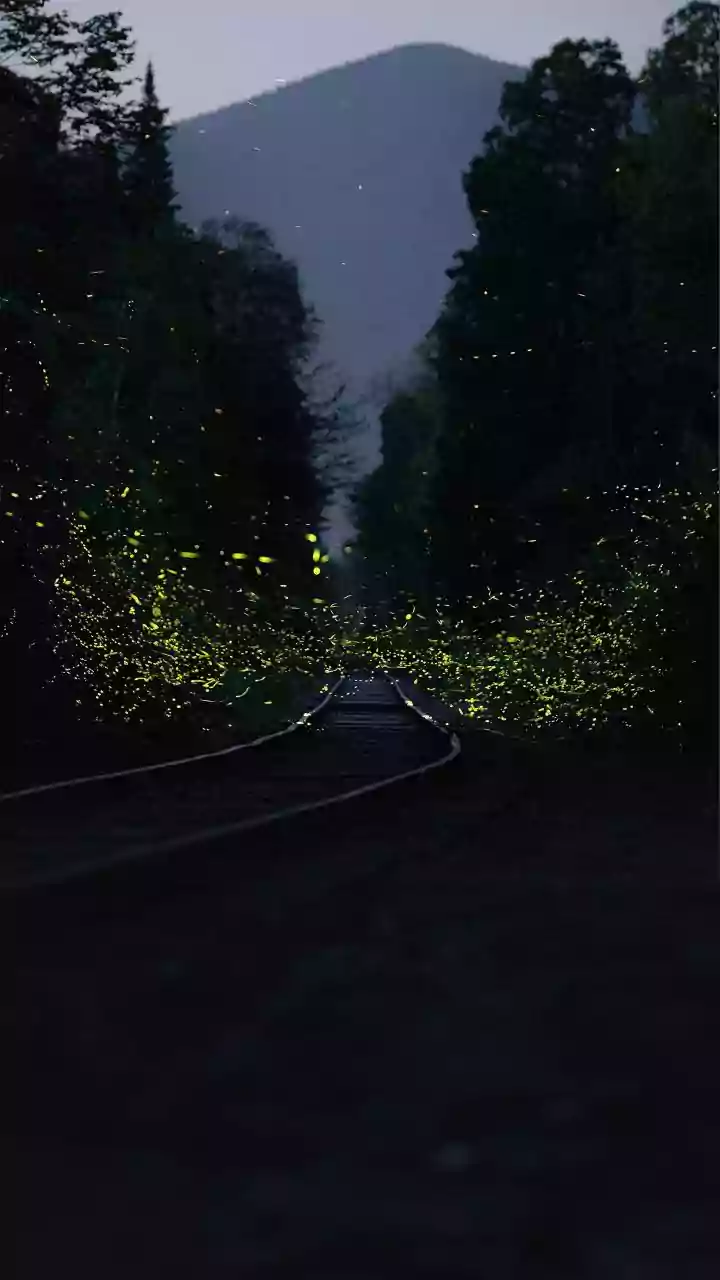
The post-pandemic era crystallized a global focus on wellness, and for many in India's Tier 2 cities, this translates to a desire for digital detoxes and a reconnection with nature. Travelers are increasingly looking for more than just a destination; they seek experiences. They are moving away from checklist-driven tourism towards slower, more meaningful journeys that offer relaxation and mental rejuvenation. Forest escapes, riverside camps, and mountain homestays provide the perfect antidote to urban stress. These outposts offer solitude and a chance to engage in low-impact activities like hiking, bird-watching, or simply enjoying the tranquility—experiences that are becoming the new symbols of a premium lifestyle.
Accessibility Is Key
The dream of a quick nature getaway has been made a reality by tangible infrastructure development. Improved national highways and expressways have drastically cut down travel time, making 'drivecations' a popular trend. A recent Uber travel index highlighted that the fastest growth in intercity travel is now on regional routes linking Tier 2 cities to leisure destinations. This improved road connectivity, coupled with rising disposable incomes and higher car ownership, has empowered families and individuals to plan spontaneous trips. Digital platforms and online travel agencies have further simplified the process, making it easy to discover and book boutique stays in even the most remote locations.
Rise of Boutique Eco-Stays
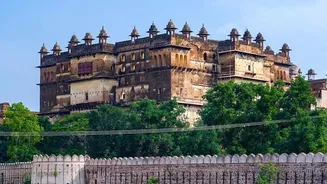
Responding to this new demand, a different kind of hospitality has emerged. Travelers from Tier 2 cities are often seeking affordable luxury and unique accommodations over standardized hotel chains. This has fueled the growth of boutique resorts, eco-lodges, farm stays, and heritage homestays. These properties offer personalized experiences, from locally sourced meals to guided nature walks, creating a sense of connection to the place. Many of these establishments are run by locals, contributing to the rural economy and promoting a more sustainable model of tourism. They cater perfectly to the traveler who wants comfort and curated experiences without the anonymity of a large hotel.
The Work-from-Anywhere Culture
The normalization of remote and hybrid work has fundamentally changed travel patterns. It has untethered professionals from their office desks, allowing them to blend work and leisure. A quiet homestay with reliable internet connectivity in the hills or by a forest is now a viable temporary office. This 'workation' trend allows travelers to take longer trips, immersing themselves in a location for weeks rather than just a weekend. Tier 2 professionals are embracing this flexibility, using it to escape the city for extended periods without sacrificing productivity, further driving demand for well-equipped nature stays.