


Why Humidity is the Real Danger
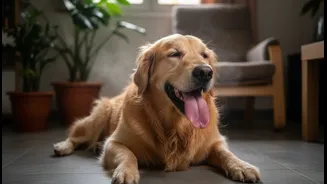
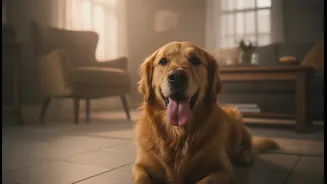
Unlike humans who sweat to cool their entire bodies, dogs and cats primarily rely on panting. This process involves evaporating moisture from their tongues and respiratory tracts to release heat. However, when the air is already saturated with moisture—as
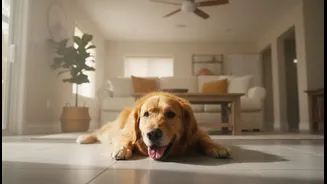
it is in a humid home—this evaporation process becomes slow and inefficient. Their natural cooling system is disabled, and their body temperature can rise quickly even if they are not in direct sunlight. Essentially, the humid air prevents them from getting the cooling relief they need, creating a dangerous situation where they can overheat just by being in a stuffy room.
The Unique Risk for Flat-Faced Breeds
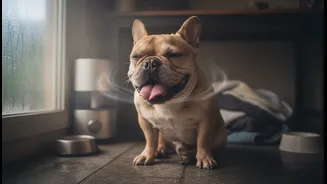
Brachycephalic, or flat-faced, breeds like Pugs, French Bulldogs, Boxers, and Persian cats are exceptionally vulnerable to heat-related illness. Their distinct facial structure, which includes shortened skulls and compressed airways, makes breathing more difficult under normal circumstances. When they need to pant to cool down, these anatomical limitations mean they can't move air as effectively as other breeds. The extra effort they must exert to breathe also generates more body heat, creating a dangerous feedback loop. For these pets, even mild increases in temperature combined with humidity can quickly lead to heat stress or full-blown heatstroke.
Recognising the Warning Signs of Overheating
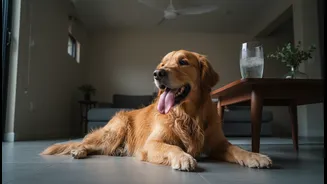
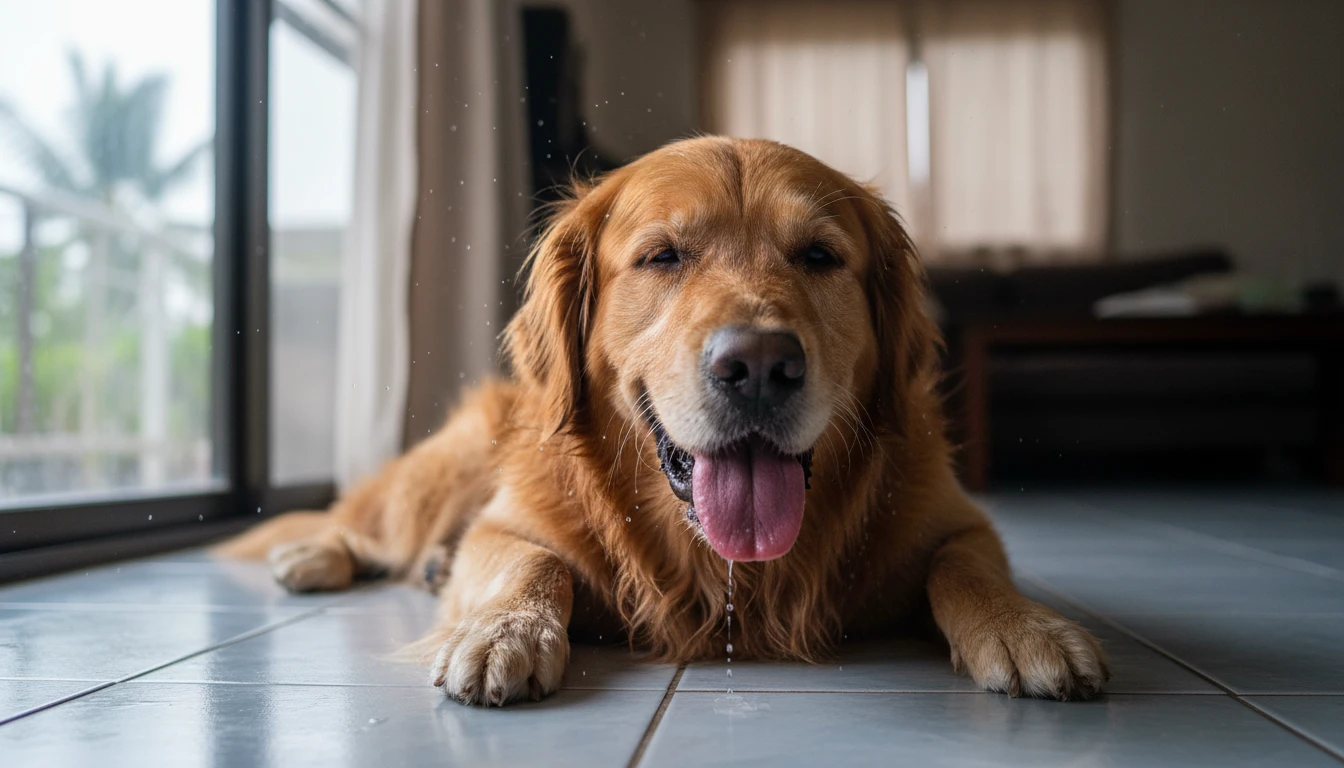
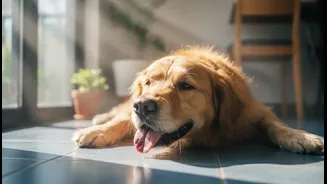
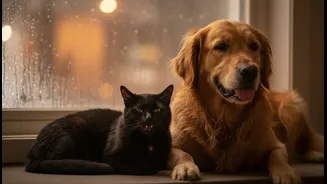
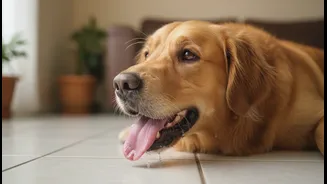
Knowing the signs of heatstroke is critical, as it is a medical emergency that can cause organ damage or death in under an hour. Early signs are often subtle. Watch for excessive or frantic panting, thick drool, and a bright red tongue or gums. Your pet might seem restless, agitated, or weak. As the condition worsens, you might see signs of confusion, dizziness, vomiting, or diarrhea. Advanced stages of heatstroke include collapse, seizures, and gums that turn pale, grey, or purple. Cats are more subtle, but open-mouthed breathing is a major red flag. If you see any of these signs, you must act immediately.
Proactive Steps to Keep Your Pet Safe Indoors
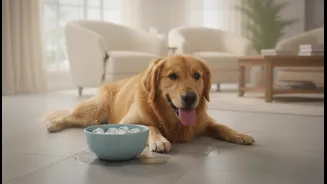
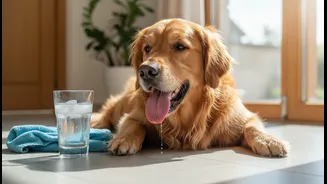
Preventing indoor overheating requires more than just closing the blinds. The primary goal is to control both temperature and humidity. Use air conditioning to maintain a comfortable temperature, ideally between 24-27°C. A dehumidifier is a crucial tool for reducing moisture in the air, making it easier for your pet to cool down naturally. Ensure constant access to fresh, cool water; adding a few ice cubes can help. Provide cooling mats or lay down damp towels for your pet to rest on. While fans can help circulate air, they are not as effective at cooling pets as they are for humans, so they should not be your only solution, especially in high heat. Avoid strenuous indoor play on very hot and humid days.
What to Do in an Emergency
If you suspect your pet is suffering from heatstroke, this is a medical emergency requiring immediate veterinary attention. While you prepare to go to the vet, begin first aid. The key is to “cool first, transport second.” Move your pet to a cool, air-conditioned space immediately. Apply cool—not ice-cold—water to their body, focusing on their paws, groin, and neck. Using water that is too cold can constrict blood vessels and hinder the cooling process. Do not cover them with a wet towel, as this can trap heat. Point a fan at them to aid evaporative cooling. Offer small sips of cool water, but do not force them to drink. Call your vet immediately to let them know you are on your way.