


What Exactly Is a 'Lived-In' Home?
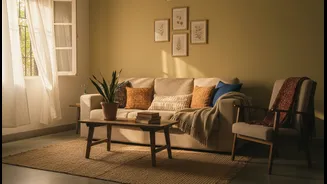
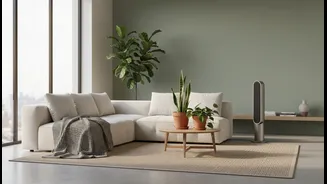
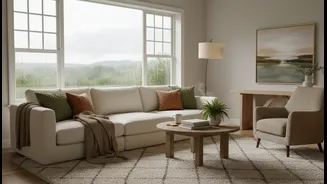
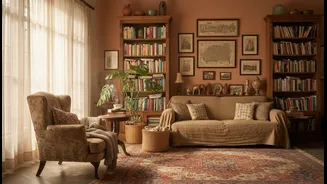
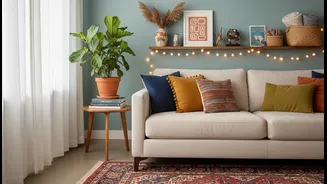
A 'lived-in' home is not about clutter or mess. Instead, it’s a design philosophy that champions comfort, personality, and authenticity. It’s the opposite of a sterile, showroom-like space where you're afraid to touch anything. Think of comfortable furniture
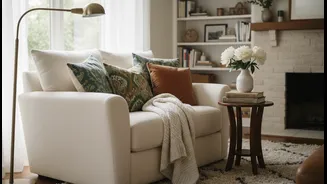
that invites you to relax, textiles that are soft to the touch, and personal items like books, art, and mementos displayed with intention. This style is curated over time, reflecting the story of the people who live there. It embraces imperfections, like the natural crease in a linen cushion or a lovingly worn wooden table, seeing them as signs of life rather than flaws. The result is a space that feels warm, inviting, and uniquely yours.
Why This Style Thrives in Heat and Humidity
The practicality of a lived-in aesthetic in a climate defined by heat and humidity is its greatest strength. This style naturally leans on materials and textures that are inherently suited for such weather. For instance, it favours breathable, natural fabrics over heavy, synthetic ones that trap moisture. In high humidity, especially during monsoon season, synthetic fabrics can feel sticky and develop a musty smell, whereas cotton and linen allow for better airflow. Furthermore, the relaxed nature of a lived-in look is more forgiving. Dust settles faster and surfaces can feel perpetually damp in humid conditions, making it difficult to maintain a minimalist, high-gloss look. A home that embraces a bit of texture and character hides daily wear-and-tear far more gracefully.
Embrace Breathable, Natural Fabrics
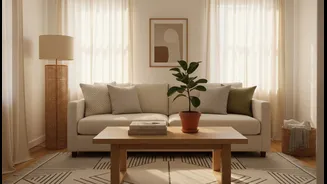
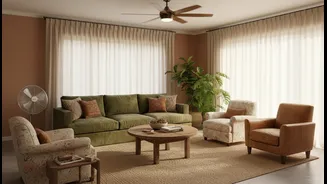
One of the easiest ways to adapt your rental for the climate is by choosing the right textiles. Swap out heavy, synthetic curtains for lightweight cotton or sheer voile options. These fabrics don't just look breezier; they allow for better air circulation and dry faster, preventing the dampness that can lead to mildew. For upholstery, bedsheets, and throws, cotton, linen, and blends are ideal. These natural fibres are highly breathable and absorbent, wicking moisture away from the skin to keep you feeling cooler and more comfortable. Avoid materials like velvet or heavy jacquard, which absorb ambient moisture and can feel perpetually damp in a humid home.
Choose Furniture That Breathes
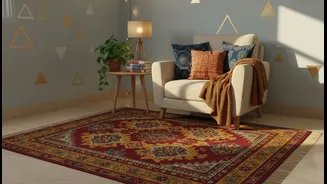
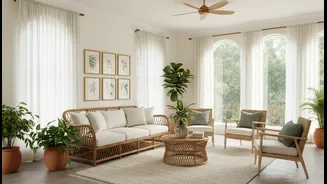
Heavy, dark furniture can make a room feel stuffy. The lived-in style often incorporates pieces made from natural materials like cane, rattan, and light-toned woods. These materials are not only aesthetically lighter but also promote better airflow around and through the furniture itself. Woven furniture is particularly effective in humid conditions as it is less susceptible to the swelling and warping that can affect solid wood or particleboard. For renters, freestanding, lightweight pieces are also easier to move and arrange, allowing you to create a personal touch without permanent changes. Adding a colourful jute or cotton rug can define a space and feel cool underfoot, unlike thick wool carpets that retain heat.
The Power of Plants and Personal Touches
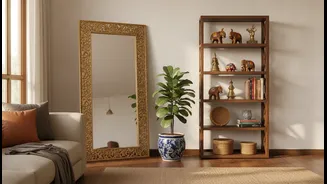
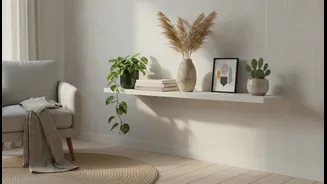
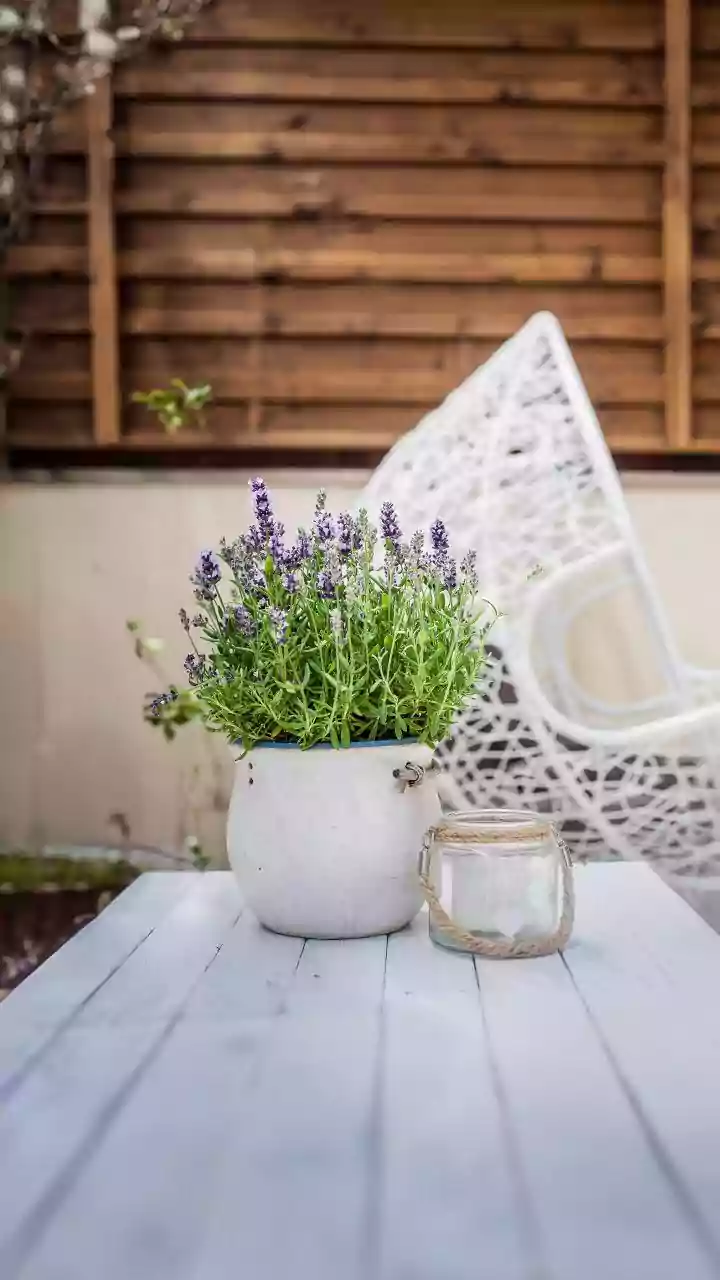
No lived-in space is complete without greenery. Plants are a simple, rental-friendly way to make a house feel like a home. They add a pop of colour and life, and many hardy indoor varieties thrive in Indian climates while also helping to improve air quality. Consider low-maintenance options like snake plants, money plants, or philodendrons. Beyond plants, this style is defined by personal objects. Displaying travel souvenirs, family photos, or a collection of books doesn't require any structural changes but instantly infuses your rental with personality. The key is to arrange them in a relaxed, intentional way that tells your story.