






Beyond the Supermarket Aisle
For decades, the Indian plate has been dominated by a handful of commercially viable vegetables—potato, tomato, onion, cauliflower, and cabbage. While dependable, this limited variety has pushed hundreds of indigenous, regional vegetables to the brink
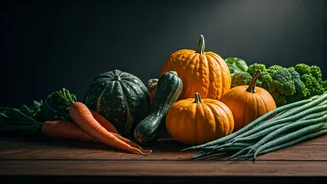
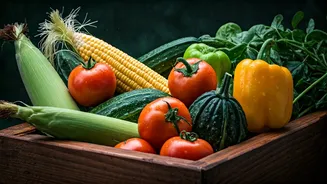
of obscurity. Now, a powerful counter-trend is emerging. Driven by a post-pandemic surge in health consciousness, a desire for sustainable food sources, and a yearning for authentic flavours, consumers are actively seeking out the 'heirloom' produce their grandparents ate. This shift is visible everywhere, from bustling farmers' markets in metro cities to the curated menus of high-end restaurants, signaling a collective move away from standardised produce towards agricultural biodiversity.
The Health Halo of Heritage
Long before 'superfood' became a marketing buzzword, these traditional vegetables were the backbone of Indian wellness. Traditional wisdom, now increasingly backed by science, celebrated them for their medicinal and nutritional properties. Vegetables like moringa (drumstick), for instance, are powerhouses of vitamins and antioxidants. Leafy greens like bathua (chenopodium) and kulfa (purslane) offer more iron and omega-3 fatty acids than many of their more famous global counterparts. This revival is rooted in the understanding that our local biodiversity offers tailored nutritional solutions perfectly suited to our climate and bodies. Consumers are realising that the best path to wellness might not be in an imported packet of seeds, but in the humble vegetable patch next door.
Spotlight: The Humble Gourd Family
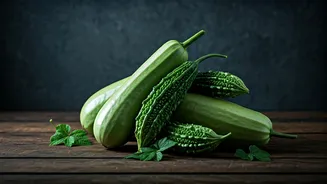
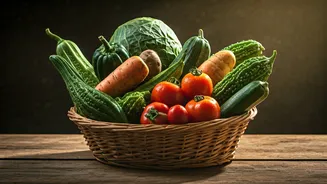
Once dismissed as bland or old-fashioned, gourds are making a triumphant return. Take kundru (ivy gourd), a crunchy vegetable that helps regulate blood sugar. Or parwal (pointed gourd), rich in fibre and vitamin C, now being used in everything from stir-fries to gourmet curries. Even tinda (apple gourd), a staple in North Indian summer cooking, is being appreciated for its cooling properties and subtle taste. Home cooks and chefs are experimenting with new preparations that highlight their unique textures and ability to absorb spices, proving that these vegetables are anything but boring. They represent simple, seasonal eating at its best—low on food miles and high on nutritive value.
Spotlight: The Mighty Jackfruit (Kathal)
Perhaps no vegetable embodies this resurgence more than kathal, or raw jackfruit. Traditionally used in pickles and complex curries, it fell out of favour in many urban households due to its lengthy preparation time. Today, it’s celebrated globally as a versatile meat substitute, thanks to its fibrous, shreddable texture. This global trend has sparked renewed interest back home. Indian chefs are re-imagining it in biryanis, kebabs, and even tacos, while food brands are offering pre-cut and ready-to-cook versions. The revival of kathal shows how a traditional ingredient can be adapted for the modern palate, bridging the gap between ancient culinary traditions and contemporary dietary preferences.
From Farm to Five-Star Table
The demand isn't just coming from home kitchens. A new generation of Indian chefs is championing this cause, making these forgotten vegetables the stars of their menus. By foraging for rare ingredients and collaborating directly with local farmers, they are creating a new narrative around Indian cuisine—one that is hyper-local, seasonal, and deeply rooted in the land. This fine-dining endorsement has a powerful trickle-down effect. It makes diners curious, encourages them to seek out these vegetables, and most importantly, creates a stable, premium market for farmers who choose to cultivate these less-common, often more sustainable crops. It's a win-win-win for diners, farmers, and the environment.