
A Taste of Home and History
For generations, the art of making 'achaar' was a cornerstone of Indian households. The process was a seasonal ritual, a communal activity that brought families together. Grandmothers would meticulously sun-dry mangoes, lemons, or chillies, preparing
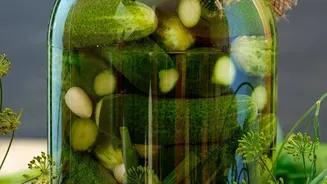
spice blends that were often closely guarded family secrets. Each jar, known as a 'barni' or 'jaadi', didn't just preserve fruit for the monsoon season; it preserved stories, techniques, and a tangible link to one's ancestors. Many urban Indians today recall these memories with a deep sense of nostalgia—the sight of ceramic jars lining a sunlit veranda, the pungent aroma of mustard oil and spices filling the air. This emotional connection is a powerful driver behind the current revival, as the taste of a specific family pickle can instantly transport someone back to their childhood kitchen.
The Modern Kitchen Revival
With the rise of urbanization, nuclear families, and fast-paced lifestyles, the slow art of traditional pickle-making began to fade. Supermarket shelves filled with mass-produced pickles offered convenience, but often at the cost of authentic flavour and wholesome ingredients. However, a shift is underway. Spurred by a renewed interest in wellness and a desire for transparency in food, many urban Indians are rejecting artificial preservatives and additives. The recent trend of home cooking, amplified during the pandemic, has empowered a new generation to get back into the kitchen and explore their culinary heritage. They are discovering that traditional pickling, which often relies on natural fermentation, not only creates complex flavours but also offers health benefits, such as providing probiotics.
Beyond Mango and Lime
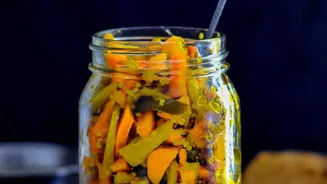
While mango and lime pickles remain timeless classics, this resurgence is also celebrating India's incredible pickle diversity. Achaar is not a monolith; its flavours and ingredients vary dramatically across regions, reflecting local produce and cultural traditions. In the North, you might find bold, mustard oil-based pickles, while Southern varieties may feature tamarind, curry leaves, and sesame oil. This new wave of interest is unearthing lesser-known regional specialities. Artisanal makers and home cooks are experimenting with everything from pungent bamboo shoot pickles from the Northeast and Rajasthani Ker Sangri to fiery Andhra Avakaya and sweet Gujarati Chhundo. This exploration is a culinary journey across the country, all from the comfort of one's own dining table.
From Family Secret to Small Business
The passion for heritage recipes has also sparked an entrepreneurial spirit. Across India's metros, many food lovers are turning their treasured family recipes into successful small-batch businesses. Leveraging social media and e commerce, these new 'keepers of the craft' are making authentic preservative free pickles accessible to a wider audience. They share the stories behind their products emphasizing the connection to their grandmothers' kitchens and age old techniques. This narrative of authenticity and tradition resonates deeply with consumers who are looking for more than just a product they are seeking a connection to a story and a culture. These brands are not just selling pickles they are selling nostalgia in a jar.