



The Humble Hero of the Pantry
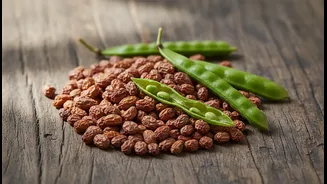
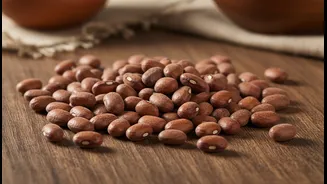
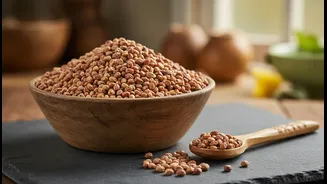
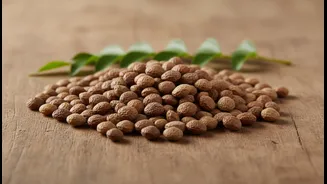
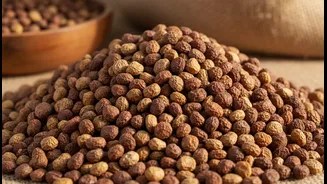
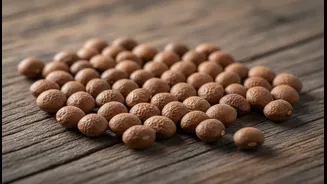
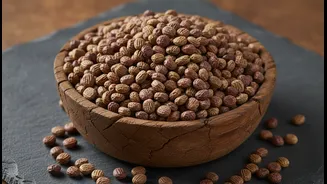
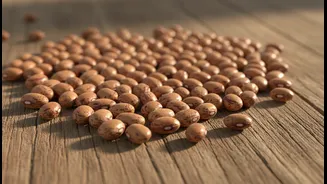
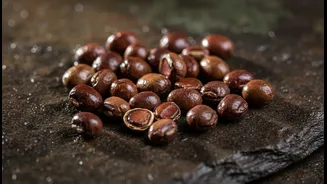
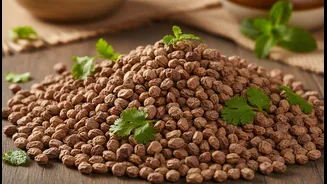
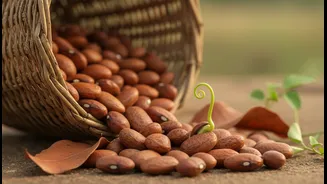
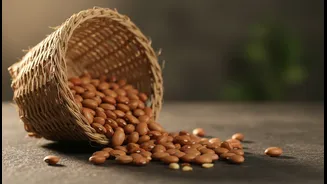
Chances are, your grandmother’s pantry had a stock of horse gram. Known as Kulthi in Hindi, Kollu in Tamil, Ulavalu in Telugu, and Hurali in Kannada, this tiny but mighty legume has been a staple in India for millennia. Its English name comes from its
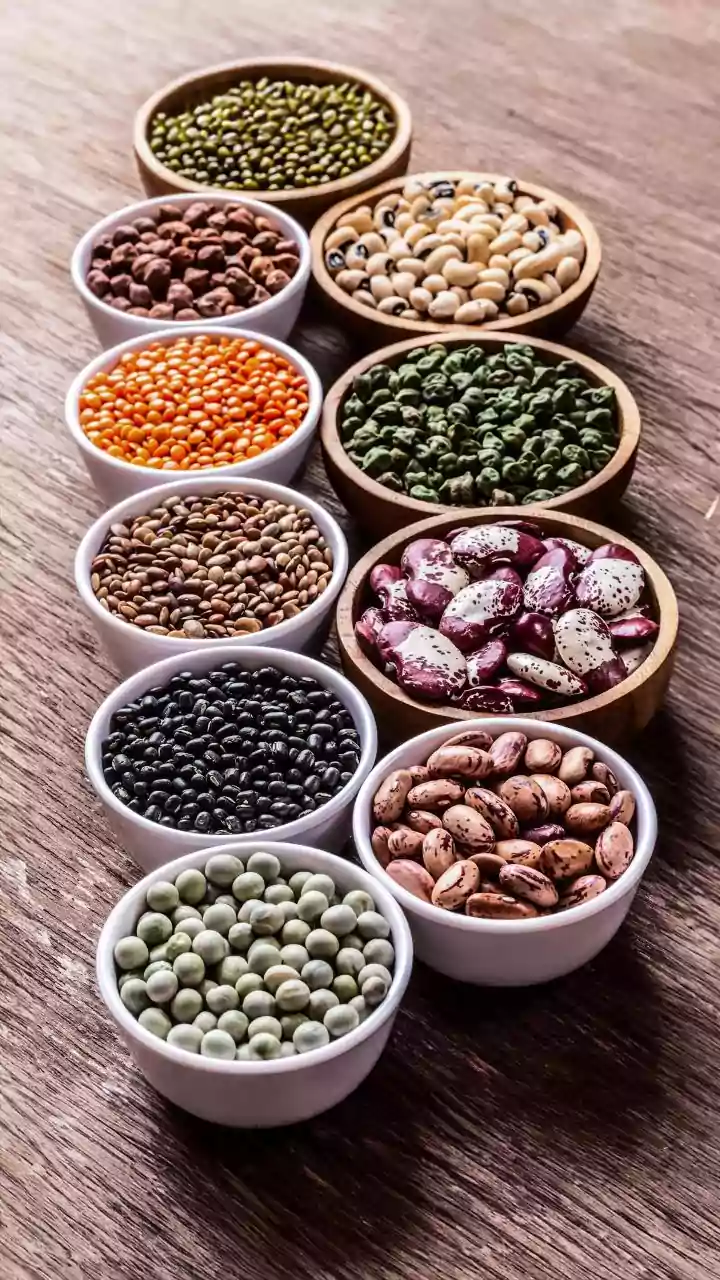
traditional use as a nutrient-rich feed for horses and cattle, a testament to its energy-boosting properties. Despite its deep roots in Indian agriculture and cuisine, horse gram has often been overshadowed by more popular dals like toor and moong. However, a renewed interest in traditional, sustainable, and affordable foods is putting this underutilised legume back in the spotlight. It's a drought-resistant crop, capable of growing in harsh conditions where other plants might fail, making it a truly resilient food source for the future.
A Giant Leap in Nutrition
Don't let its humble status fool you; horse gram is a nutritional heavyweight. It is one of the most protein-rich lentils available, making it an excellent component of a vegetarian or vegan diet. It boasts the highest calcium content among all pulses and is packed with iron, phosphorus, and dietary fibre. A 100-gram serving provides about 22 grams of protein and is rich in antioxidants like polyphenols and flavonoids, which help combat cellular damage. Traditional Ayurvedic practices have long celebrated horse gram for its medicinal properties, using it to address ailments from kidney stones and asthma to managing blood sugar levels. Its high fibre content aids digestion and promotes a feeling of fullness, which can be beneficial for weight management.
A Culinary Tour of India
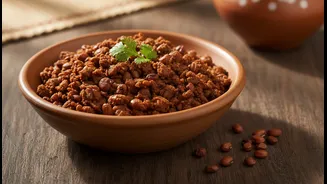
The beauty of horse gram lies in its versatility and deep, earthy flavour. In Karnataka, 'Huruli Saaru' is a popular rasam-like preparation, often served with a side of 'palya' (a dry stir-fry). Andhra Pradesh and Telangana are famous for 'Ulavacharu', a thick, tangy soup that is a celebrated delicacy at weddings and special occasions. In Tamil Nadu, 'Kollu Rasam' is a winter staple, believed to provide warmth and fight off colds, while the pulse is also used to make chutneys and sundals. In the hills of Uttarakhand, it’s known as 'Gahat' and is used to make a hearty dal that provides sustenance during cold winters. These regional dishes showcase how different cultures have harnessed the unique flavour and texture of this robust pulse.
Mastering the Mighty Pulse
Cooking with horse gram requires a little patience, but the results are well worth it. As it's a very hard legume, soaking is essential. A good overnight soak is recommended, followed by pressure cooking. Typically, it takes longer to cook than other dals, needing anywhere from 6-7 whistles to over 30 minutes on low heat in a pressure cooker to become tender. Unlike other dals, it doesn't always turn to mush, retaining a pleasant bite which adds great texture to dishes. Once cooked, the possibilities are endless. The cooked gram can be used in curries, soups, and salads. The nutrient-rich water it was boiled in can be used as a base for rasams and soups, ensuring no goodness goes to waste. For a modern twist, you can add sprouted horse gram to salads or even use horse gram flour in rotis, idlis, and dosas.