

The Ghost in the Kitchen
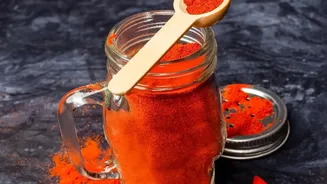
For years, the Bhut Jolokia, or ghost pepper, was more of a legend than an ingredient, famous for once holding the Guinness World Record for the world's hottest chilli. Native to Northeast India, this pepper packs over a million Scoville Heat Units, making
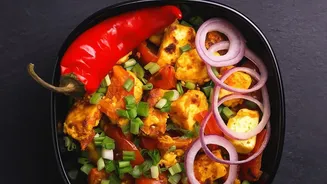
it hundreds of times hotter than a jalapeño. Traditionally used in regional households to spice up curries, make pickles, and even deter elephants from crops, its intense heat was often considered too formidable for mainstream palates. But beyond its fiery reputation lies a complex, slightly sweet and smoky flavour. Chefs across the country are now harnessing this nuance, moving past the novelty of extreme heat to explore the pepper's culinary potential. It's no longer just a dare; it's a flavour enhancer, appearing in everything from Jolokia chicken steaks to spicy hot sauces and infused oils that offer a controlled burn.
The Funky Charm of Fermentation
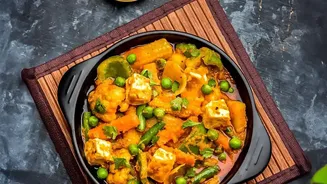
Alongside the Bhut Jolokia's fire comes the unmistakable funk of the Northeast's fermented treasures. The most notable of these is Axone (pronounced 'akhuni'), a fermented soybean product from Nagaland. With a powerful, pungent aroma and a deep, savoury taste, Axone is a powerhouse of umami. Historically, its strong smell made it a source of cultural friction for Nagas migrating to big cities, who often faced complaints from neighbours unfamiliar with the ingredient. However, a new generation of diners and chefs is embracing these bold flavours. Axone, along with other fermented products like 'Khorisa' (fermented bamboo shoot from Assam) and 'Soibum' (from Manipur), is now being celebrated for the complexity it brings to dishes. Traditionally a key component in pork, fish, and vegetable stews, these ingredients are finding new life as a secret weapon in fusion cooking, adding depth to broths, chutneys, and marinades.
From Tradition to Trend
The journey of these ingredients from remote hills to bustling city cafés is a story of migration, curiosity, and cultural pride. For decades, students and professionals from the Northeast carried these flavours with them to cities like Delhi, Bengaluru, and Mumbai, primarily for a taste of home. This led to the rise of small, community-focused eateries in migrant neighbourhoods. But in recent years, the trend has broken into the mainstream. A growing curiosity about India's vast regional cuisines, coupled with the influence of food bloggers and social media, has created an audience eager to experiment. Urban chefs are tapping into this, looking inward for inspiration instead of relying on imported trends. They are discovering that ingredients like Bhut Jolokia and Axone offer unique, authentically Indian flavours that can be showcased with modern techniques. This shift is not just about nostalgia; it’s a redefinition of what premium Indian food can be.
A New Chapter in Indian Flavour
The embrace of Northeast Indian ingredients signifies more than just a fleeting food trend. It represents a deeper appreciation for the country's culinary diversity. For a long time, the pungent, fermented, and intensely spicy flavour profiles of the region were considered too 'adventurous' for the average diner. Now, what was once niche is becoming a celebrated part of India’s gastronomic identity. This newfound popularity is also fuelling entrepreneurship, empowering a young generation of Naga and other Northeastern chefs to build businesses around their heritage. By incorporating these ingredients, urban cafés are not just adding a kick of heat or a touch of umami to their menus; they are participating in a larger cultural exchange, introducing diners to a rich culinary world that has been hidden in plain sight. It’s a delicious and powerful reminder that the next big thing in Indian food may have been here all along.