





From Concrete Jungles to Living Oases
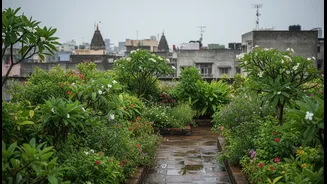
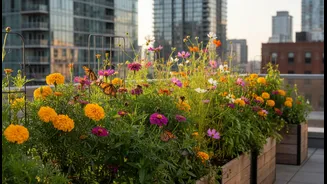
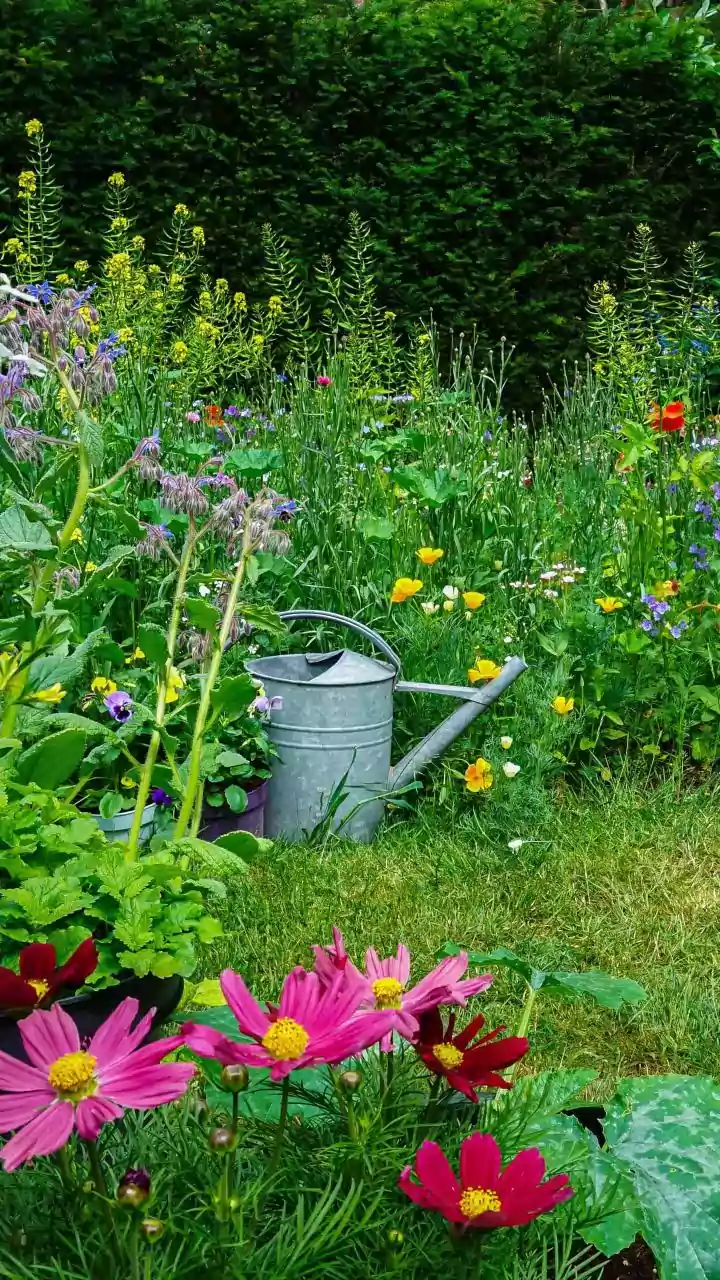
In cities like Bengaluru, Mumbai, and Delhi, where green space is a premium, a growing number of residents are dedicating their small patches of the outdoors to a bigger cause. They are creating pollinator gardens—curated collections of flowering plants
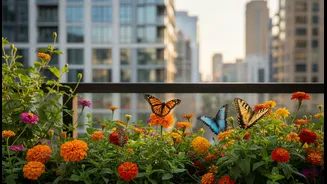
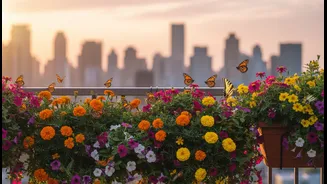
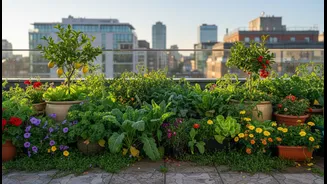
designed specifically to attract and feed the insects and birds that are crucial for our ecosystem's health. This trend moves beyond traditional home gardening, transforming urban spaces into functional, living ecosystems. The motivation is a blend of environmental consciousness and a desire to reconnect with nature. Amidst the urban hustle, these gardens offer a splash of natural beauty and the lively buzz of visiting creatures, turning a simple balcony into a dynamic slice of the wild.
More Than Just a Pretty Space
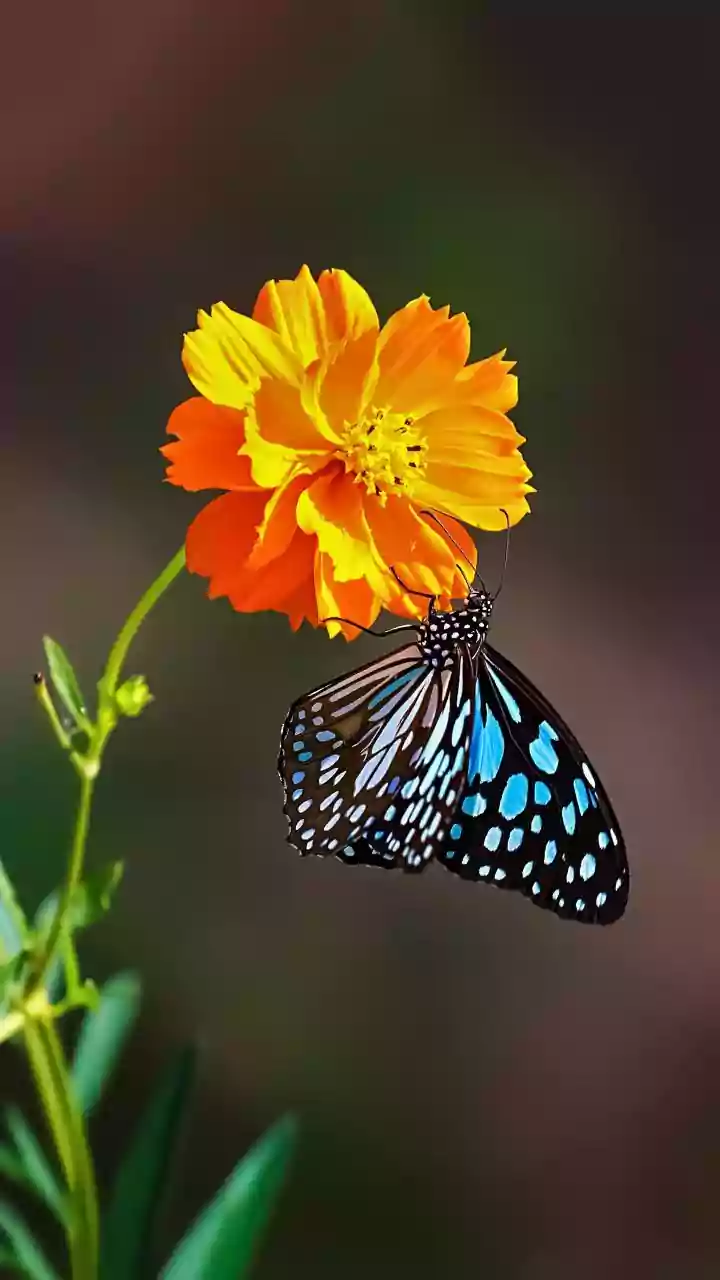
The appeal of a pollinator garden extends far beyond its visual charm. These mini-sanctuaries provide a lifeline for pollinator populations that have been declining due to habitat loss and pesticide use. By offering nectar, pollen, and shelter, even a few pots on a balcony can become a vital refuelling station for native bees, butterflies, and sunbirds. These gardens act as 'stepping stones', creating corridors that help pollinators navigate the fragmented urban landscape. The benefits ripple outwards, supporting local biodiversity and even improving the yield of nearby vegetable gardens. For the gardeners themselves, these spaces offer immense personal rewards, including stress relief, a deeper connection to the natural world, and a tangible way to make a positive environmental impact.
The Heroes of Your Garden
The stars of this show are, of course, the pollinators themselves. While many people think of honey bees, India is home to a diverse range of pollinating species, including hundreds of types of solitary bees, butterflies, moths, wasps, and beetles. Many of these, like carpenter bees and certain solitary bees, are essential for pollinating native plants, including many vegetables like tomatoes and brinjal. However, urbanisation has destroyed much of their natural habitat of dead wood, twigs, and exposed soil needed for nesting. A pollinator garden provides not just food but also a safe haven, helping to sustain these crucial populations that underpin both our food security and the health of wild ecosystems.
Your Balcony Can Be a Buffet
Starting a pollinator garden is surprisingly simple, even with limited space. The key is choosing the right plants. Opt for native species whenever possible, as they are best adapted to the local climate and native pollinators. A mix of plants that flower at different times of the year will ensure a continuous food supply. Plants like Marigold, Tulsi (Holy Basil), Hibiscus, Jasmine, and Curry Leaf Tree are excellent choices for Indian urban gardens. Marigolds offer bright, nectar-rich blooms, while Tulsi’s flowers are a favourite of bees and butterflies. Planting in clusters makes it easier for pollinators to spot them, and providing a shallow dish of water with pebbles gives them a safe place to drink. Crucially, avoid using chemical pesticides, which can harm the very creatures you’re trying to attract.
Planting the Seeds of Community
The impact of a single pollinator garden multiplies when neighbours join in. Together, individual balconies, rooftops, and community parks can form a network of green corridors, creating a city-wide support system for pollinators. Initiatives like 'The Bee Garden Project' in Bengaluru are already highlighting the importance of these urban habitats and training citizens in conservation. These community efforts not only boost local biodiversity but also foster a sense of shared purpose and connection among residents. They transform sterile urban environments into places that actively nurture life, demonstrating that even small, individual actions can collectively lead to significant ecological restoration.