


First, What Is the Mango Rose?
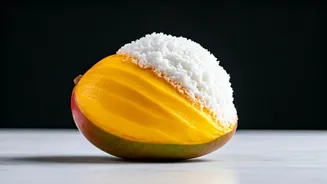
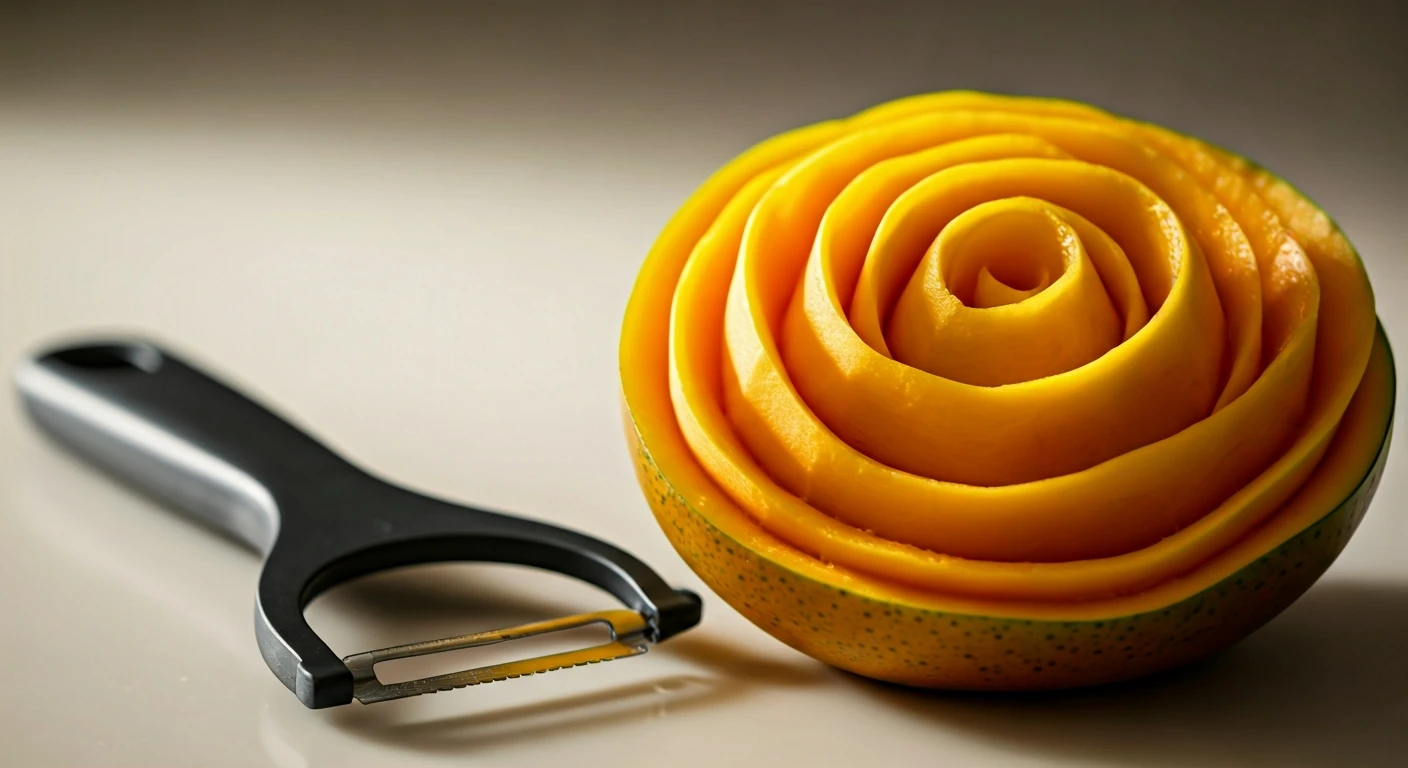
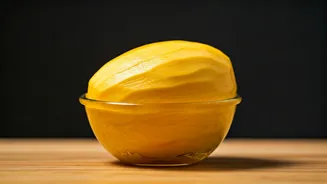
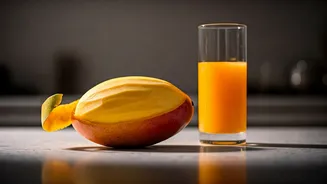
If you’ve scrolled through TikTok or Instagram Reels in the last year, you’ve likely seen it. A perfectly ripe mango, not cubed or sliced, but transformed into an elegant, blooming flower. The mango rose is a food preparation technique where a mango cheek
is shaved into ultra-thin, pliable strips using a peeler. These delicate strips are then carefully overlapped and coiled into a spiral, mimicking the petals of a rose. The result is a stunning, edible sculpture that elevates a simple fruit snack into a work of art. This isn't just about eating a mango; it's about creating an experience—one that is perfectly designed for the visual-first nature of modern social media.
The Unsung Hero: A Sturdy Peeler
The hack’s name isn’t an accident. At the heart of this trend is not just the mango, but the tool: a sturdy peeler. Attempting this with a dull or flimsy peeler results in mangled fruit and frustration. The videos that master the technique almost always feature a sharp, reliable Y-peeler, often praised for its ability to glide through the fruit and create consistently thin ribbons. This emphasis on the right tool speaks to a core tenet of Gen Z internet culture: the sharing of specific, practical knowledge. The recommendation isn't just 'use a peeler'; it's 'use *this* kind of peeler.' It transforms a simple food hack into a piece of service journalism, providing a tangible solution (a better tool) for a common desire (making beautiful food).
The Power of Aesthetic Food
Gen Z grew up with a camera in their pocket, and their relationship with food reflects this. For this generation, the way food looks is often as important as how it tastes. The mango rose is the epitome of 'Instagrammable' food. It's vibrant, intricate, and universally beautiful. It taps into the 'main character energy' trend, where even a mundane moment like eating a snack is elevated into something special and worthy of documentation. Creating and posting a mango rose is a subtle flex; it says, 'I don't just consume, I create beauty.' This aesthetic obsession explains why trends like cloud bread, dalgona coffee, and now the mango rose have such explosive viral potential. They offer a simple way to participate in a larger visual culture.
A Low-Stakes Skill Flex
Beyond its visual appeal, the mango rose hack offers something deeper: a sense of accomplishment. In a world of digital abstraction, there is a growing appreciation for tangible skills, however small. Successfully creating a mango rose is a 'skill flex'—a demonstration of dexterity, patience, and practice. It’s not as intimidating as baking a multi-layered cake or mastering sourdough, making it highly accessible. The barrier to entry is low (a mango and a good peeler), but the payoff is high. Each perfectly coiled rose is a small victory, a moment of mastery that feels good to achieve and even better to share. This resonates with a generation that finds satisfaction in learning and perfecting niche skills discovered online, from crochet patterns to keyboard shortcuts.
Why It's a Perfect Gen Z Trend
The mango rose phenomenon is a perfect storm of Gen Z cultural drivers. It's visual-first, making it ideal for TikTok and Instagram. It's tutorial-based, feeding a hunger for shared knowledge and life hacks. It involves a specific, recommended product—the 'sturdy peeler'—aligning with the generation's trust in peer-to-peer recommendations over traditional advertising. Finally, it combines the everyday (a piece of fruit) with the aspirational (a work of art), allowing for a moment of creative expression in daily life. It’s not just a food trend; it's a piece of user-generated content that embodies the values of a digitally native, aesthetically minded, and skill-curious generation.