





The Humble Powerhouse: Sattu
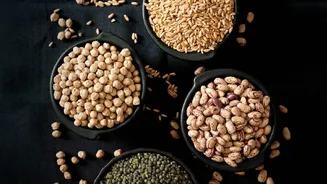
Long before protein shakes entered the market, sattu was the original Indian superfood. This humble flour, made from roasted grams (chana), is a nutritional powerhouse, especially popular in states like Bihar, Uttar Pradesh, and West Bengal. What makes
it special is its impressive protein content, with some varieties offering 20-25 grams of protein per 100 grams. This makes it an excellent source of plant-based protein, crucial for muscle repair and growth. Sattu is also incredibly rich in dietary fibre, which aids digestion, promotes a feeling of fullness, and supports gut health. Its low glycemic index helps in managing blood sugar levels, and it’s known for its natural cooling properties, making it a perfect antidote to scorching summer days.
The Magic of Sprouted Legumes
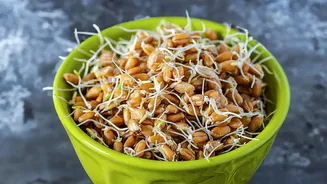
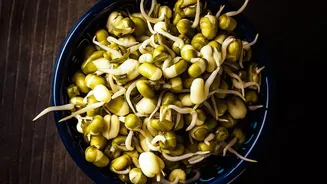
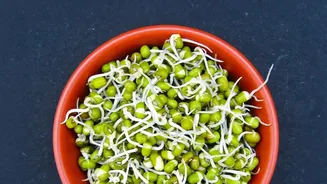
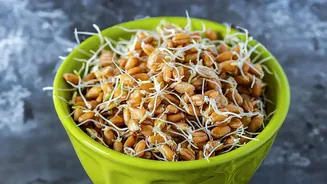
Sprouting is a simple process that transforms legumes like moong, chickpeas, and lentils into nutritional giants. The act of germination fundamentally changes the composition of the legume, breaking down anti-nutrients like phytic acid. These anti-nutrients can interfere with the absorption of minerals, so reducing them makes the vitamins and minerals in the legumes more available to your body. Sprouting boosts the levels of several vitamins, including B vitamins and Vitamin C. It also makes legumes easier to digest by breaking down complex sugars, which can often cause bloating. Furthermore, the process can increase the fibre content, which is beneficial for heart health and can help in managing weight by keeping you feeling full for longer.
How to Build a Sattu Bowl
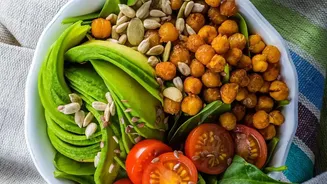
Creating a sattu bowl is quick, easy, and requires no cooking. It’s perfect for a fast breakfast or a post-workout meal. Start with the base: take a few tablespoons of sattu flour and mix it with a little water to form a smooth, lump-free paste. You can then thin it out with more water, buttermilk, or curd to your desired consistency. For flavour, mix in traditional Indian spices like roasted cumin powder, black salt, and a squeeze of lemon juice. To make it a complete meal, add texture and nutrients with finely chopped onions, green chillies, and fresh coriander. For extra protein and healthy fats, you can also add a scoop of seeds like chia or pumpkin seeds. The result is a creamy, refreshing, and deeply satisfying meal that’s ready in minutes.
Crafting Your Sprouted Legume Bowl
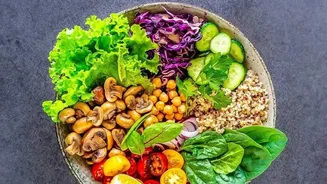
A sprouted legume bowl is a vibrant, crunchy, and versatile meal. Start with a generous base of your favourite sprouted legumes—moong beans are a popular and quick-to-sprout choice. You can use them raw for maximum crunch or lightly boil or steam them for a softer texture. Next, add a variety of fresh, chopped vegetables like cucumber, tomatoes, bell peppers, and carrots for colour and vitamins. To make the bowl more substantial, you can add a serving of cooked grains like quinoa or brown rice. The dressing is key to tying it all together. A simple mix of lemon juice, olive oil, salt, and pepper works well, or you can create a more elaborate Indian-style dressing with tamarind, jaggery, and spices. Finish with a garnish of fresh herbs like cilantro or mint and perhaps some roasted peanuts for extra crunch.
Keeping the Classic Flavours Alive
The beauty of these bowls lies in their adaptability to classic Indian tastes. Don't be afraid to experiment with the flavours you grew up with. A spoonful of your favourite pickle or a drizzle of a spicy green chutney can instantly elevate a sattu bowl. For sprouted legume bowls, think about adding a tempering (tadka) of mustard seeds, cumin seeds, and curry leaves in a little oil to infuse the dish with a warm, aromatic flavour. You can incorporate traditional ingredients like grated coconut, pomegranate seeds, or even a dollop of yogurt. These bowls prove that healthy eating doesn't mean abandoning the rich and diverse flavours of Indian cuisine; it's about reinterpreting them in a fresh, wholesome, and exciting way.