







First, What Causes Muscle Soreness?
That familiar stiffness you feel 24 to 48 hours after a tough workout is known as Delayed Onset Muscle Soreness, or DOMS. It’s the result of microscopic tears in your muscle fibres caused by strenuous or unfamiliar exercise. These tiny injuries trigger
a natural inflammatory response as your body begins the repair process. This leads to the tenderness, stiffness, and discomfort that can make walking down a flight of stairs feel like a monumental task. While it's a normal part of getting stronger, finding ways to ease the soreness can help you stay consistent with your fitness routine.
How Heat Triggers a Healing Response
This is where thermotherapy, or heat therapy, comes in. Applying warmth to the body—whether through a hot bath, sauna, or heating pad—triggers a cascade of helpful physiological responses. When you apply heat to a sore area, it raises the temperature of the underlying tissues. Your body’s primary goal is to maintain a stable internal temperature, so it initiates a process to cool that area down. The main mechanism for this is vasodilation: the widening of your blood vessels. Think of it as your body opening up highways for traffic to flow more freely.
Boosting Blood Flow to Damaged Tissues
This widening of the blood vessels is the key to heat's healing power. Increased blood flow means more oxygen and essential nutrients are delivered directly to the damaged muscle tissues. This nutrient-rich blood provides the building blocks—like glucose and amino acids—that your muscles need to repair those micro-tears and rebuild stronger. The process is a bit like calling in a highly efficient repair crew with all the best tools and materials, allowing them to get the job done faster and more effectively.
Flushing Out Metabolic Waste
Improved circulation is a two-way street. As fresh, oxygenated blood flows in, it also helps to flush out metabolic byproducts that accumulate during intense exercise and contribute to soreness, such as lactic acid. By efficiently clearing out this waste, heat therapy helps reduce the chemical irritation and pressure that can sensitize pain receptors in your muscles, leading to faster pain relief. This circulatory boost not only speeds up repair but also actively reduces the sensation of pain.
Practical Ways to Use Heat for Recovery
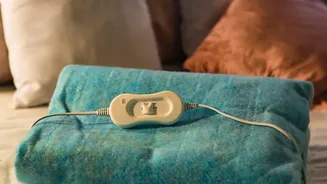
Incorporating passive heat into your recovery routine is simple. The goal is to gently raise the tissue temperature for a sustained period. Effective methods include: - Hot Baths or Soaks: Immersing yourself in a warm bath for 15-20 minutes can provide full-body relief. - Saunas: Both traditional and infrared saunas are excellent for whole-body heat exposure, helping to relax muscles and increase circulation. - Heating Pads: For targeted relief, an electric or chemical heating pad can be applied directly to a sore muscle group like the quadriceps or lower back. Studies suggest applying heat is most beneficial in the recovery phase, from immediately after exercise to 24-48 hours later when DOMS peaks. A session of 15 to 30 minutes is often enough to produce a therapeutic response.