







Prioritising Your Pet’s Safety and Comfort
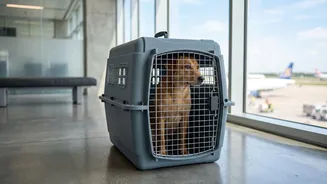
The most important reason for strict check-in rules is your pet’s welfare. Regulations concerning carrier size, construction, and ventilation are designed to keep animals safe and comfortable. According to the International Air Transport Association (IATA),
a carrier must be large enough for a pet to stand, turn around, and lie down naturally. This prevents cramping and distress. Rules about temperature, especially for pets in the cargo hold, are also critical. Airlines often restrict pet travel during extreme heat or cold to protect animals from temperature-related health risks. For example, some airlines prohibit pet travel to hot destinations like Phoenix or Las Vegas during the summer months. These policies are not arbitrary; they are life-saving measures based on animal safety.
The Crucial Role of Paperwork and Vaccinations
A mountain of paperwork might seem daunting, but each document serves a vital purpose. Health certificates, typically required within 10 days of travel, confirm your pet is fit to fly. Vaccination records, especially for rabies, are mandatory for entry into most countries, including India, to prevent the spread of disease. In India, securing a No Objection Certificate (NOC) from the Animal Quarantine and Certification Services (AQCS) before travel is a mandatory step. Airlines will not even allow a pet to board without this confirmed NOC. Incorrect or incomplete documentation is one of the fastest ways to have your travel plans derailed. Consequences can range from being denied boarding to your pet being quarantined upon arrival or even sent back to the country of origin, all at your expense.
Navigating Carrier and Breed Restrictions
Airlines have very specific rules for carriers, not just for size but for construction. Flimsy latches or non-compliant materials can lead to an airline refusing to transport your pet. The goal is to prevent escapes and ensure the carrier can withstand the rigours of travel. Furthermore, many airlines have breed restrictions. Brachycephalic (snub-nosed) breeds like Pugs, Bulldogs, and Persian cats are often not allowed to fly in cargo because their short nasal passages put them at higher risk for respiratory distress. Some airlines also restrict breeds perceived as aggressive, not because of the individual dog's temperament, but due to reports of strong-jawed breeds damaging standard crates. Understanding these rules before you book can save you from being turned away at the check-in counter.
A Smooth Check-In Avoids Stress for All
A chaotic check-in is stressful for you and your pet. Being prepared is the key to a calm experience. Before you even leave for the airport, make sure your pet is acclimated to their carrier. A light meal a couple of hours before the flight is recommended, as a full stomach can be uncomfortable. Arrive at the airport with plenty of time to spare; airlines often require pets travelling in cargo to be dropped off several hours before the flight. Have all your documents organised and easily accessible. Double-check that your pet's microchip details are up to date and that your contact information is securely attached to the carrier. Following the process smoothly helps airline staff do their jobs efficiently and ensures your pet's journey starts on the right paw.