

Your Go-To Simple Thigh Exercises
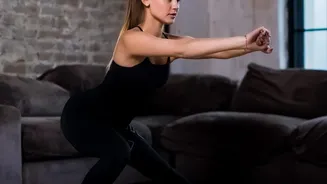
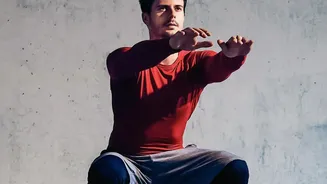
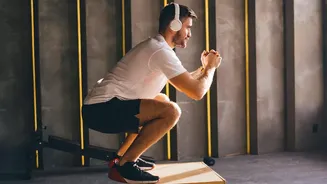
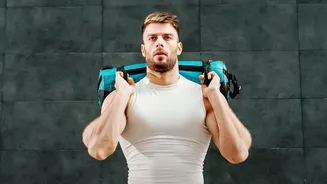
You don't need a gym full of complex machines to build stronger thighs. Some of the most effective exercises can be done right in your living room using just your body weight. Start with these three powerhouse moves: 1. Bodyweight Squats: This is the quintessential
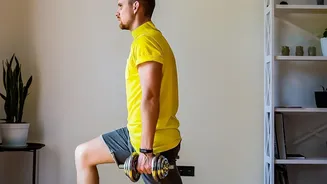
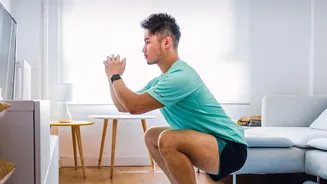
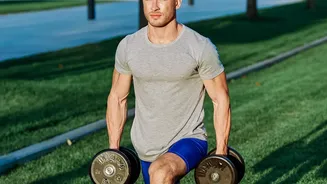
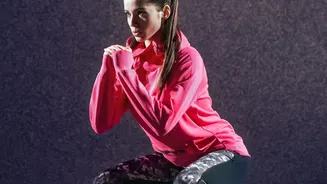
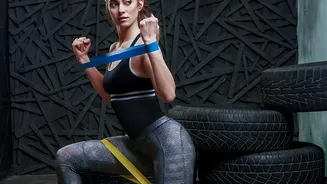
leg exercise for a reason. Stand with your feet shoulder-width apart. Keeping your chest up and back straight, bend your knees and hips as if you're sitting in a chair. Lower yourself until your thighs are parallel to the floor, then push through your heels to return to the start. 2. Lunges: Lunges are fantastic for targeting each leg individually, which helps with balance and stability. Step one foot forward and lower your hips until both knees are bent at a 90-degree angle. Your front knee should be directly above your ankle, not pushed out over your toes, and your back knee should hover just above the ground. Push off your front foot to return to the starting position and repeat on the other side. 3. Glute Bridges: While great for your glutes, this move also engages your hamstrings, the muscles at the back of your thighs. Lie on your back with your knees bent, feet flat on the floor, and arms at your sides. Lift your hips off the floor until your body forms a straight line from your shoulders to your knees. Squeeze your glutes at the top, then slowly lower back down.
The Real Secret: How Muscles Grow
It might sound strange, but muscles don't actually get stronger during your workout. In fact, exercise, especially strength training, creates tiny microscopic tears in your muscle fibres. This process is called muscle damage, and it’s a perfectly normal and necessary trigger for growth. When you're done exercising, your body gets to work on its repair mission. It not only fixes these micro-tears but overcompensates, building the muscle fibres back thicker and stronger than before to handle the next challenge. This rebuilding process is what leads to muscle growth, a process known as hypertrophy. But this vital repair work can only happen under one condition: rest.
Why Rest Is Not Weakness
In a culture that often glorifies pushing harder, it's easy to think of rest days as 'cheat days' or a sign of laziness. This couldn't be further from the truth. Rest days are 'growth days'. During this downtime, your body performs several critical tasks. The process of repairing and rebuilding muscle, called muscle protein synthesis, peaks in the 24 to 48 hours following a workout. Your body also replenishes its energy stores, specifically glycogen, which gets depleted during exercise. Skipping rest means you are constantly breaking down muscle without giving it a chance to rebuild. This not only stops your progress but can actually make you weaker and significantly increases your risk of injury.
How Much Rest Do Your Legs Need?
The legs contain some of the largest muscle groups in the body, and after a tough session, they need ample time to recover. Most fitness experts and organisations recommend a rest period of at least 48 to 72 hours between strength-training sessions that target the same muscle group. This means if you have a hard leg day on Monday, you shouldn't train them again until at least Wednesday, and possibly even Thursday. Signs of overtraining, or under-recovering, include persistent muscle soreness, a feeling of 'heaviness' in the legs, declining performance, and general fatigue. Listening to your body is crucial; if your legs are still very sore, give them another day.
Try Active Recovery
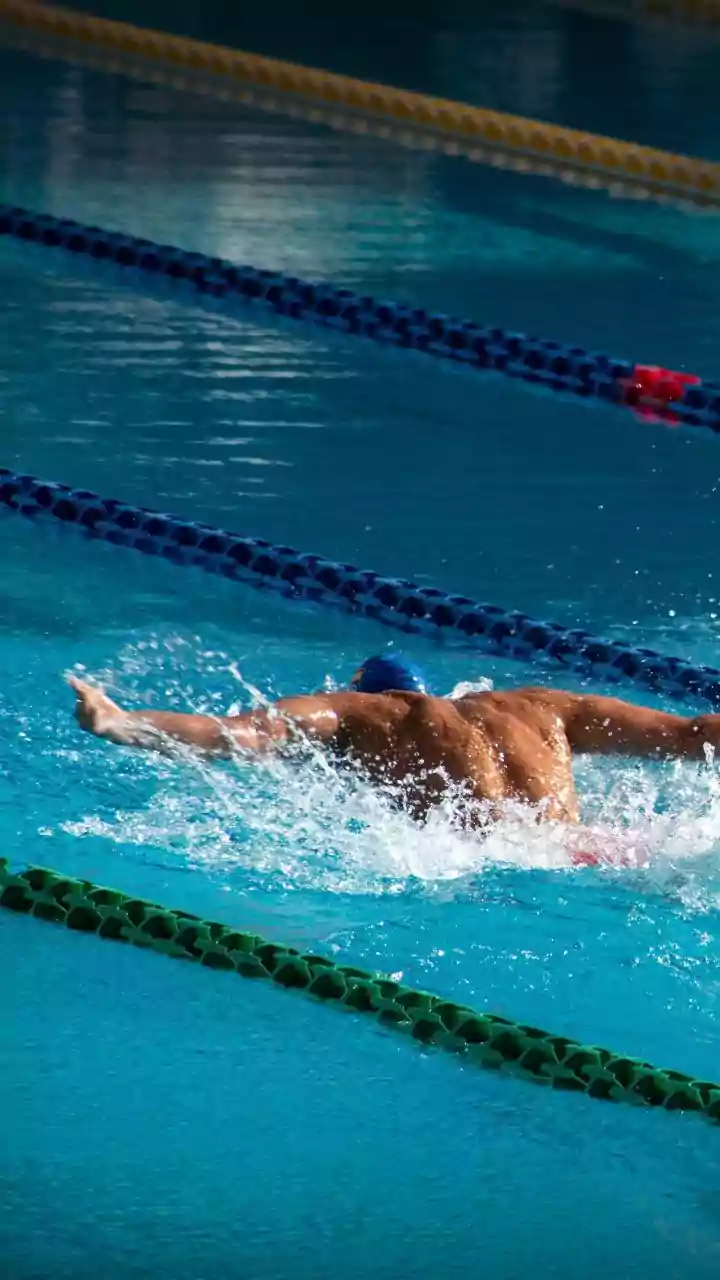
A rest day doesn't have to mean sitting on the couch all day. For the days between your leg workouts, consider 'active recovery'. This involves gentle, low-intensity movement that helps increase blood flow to the muscles. This enhanced circulation delivers more oxygen and nutrients to your tired muscles, which can help flush out metabolic waste, reduce soreness, and speed up the repair process. Good active recovery options include a light walk, gentle cycling, swimming, or a restorative yoga session. The key is to keep the intensity low—it should feel refreshing, not like another workout.