



Why Plants for Post-Workout Recovery?
When you exercise, you create tiny micro-tears in your muscle fibres. Protein provides the amino acids necessary to repair this damage, making muscles stronger. While animal protein is effective, plant-based diets offer a unique advantage for recovery.
Many plant foods are packed with antioxidants and anti-inflammatory compounds. This is crucial because exercise-induced muscle damage leads to inflammation. By consuming foods that naturally reduce inflammation, such as fruits, vegetables, and legumes, you can potentially decrease muscle soreness and bounce back quicker. A diet rich in plant-based foods has been shown to lower inflammatory markers in the body, which may contribute to more efficient recovery and less downtime between workouts.
The Myth of Incomplete Protein
A common concern is whether plant proteins are 'complete'—meaning they contain all nine essential amino acids your body can't produce on its own. While it's true that many plant sources are low in one or more of these amino acids, this is easily solved. Sources like soy (tofu, tempeh, edamame), quinoa, buckwheat, and hemp seeds are complete proteins all on their own. For other sources, like beans and lentils, you can simply pair them with a complementary food, such as rice or whole-grain bread, over the course of a day. Dietitians confirm that as long as you eat a varied plant-based diet, you will almost certainly get all the amino acids you need for effective muscle repair and growth.
Your Easy Prep Protein Toolkit
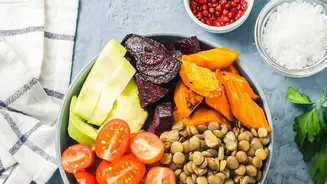
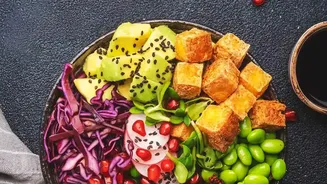
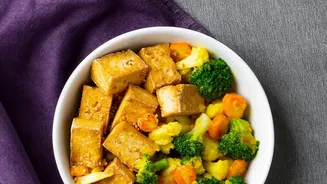
The key to consistency is making it easy. By batch-prepping a few core ingredients, you can have high-protein components ready to go for days. Start with these power players: Lentils and Chickpeas: Cook a large batch and store them in the fridge. One cup of cooked lentils offers about 18 grams of protein. They are perfect for adding to salads, soups, or creating hearty patties. Tofu and Tempeh: These soy-based proteins are versatile and absorb flavours well. Tempeh, made from fermented soybeans, packs around 20 grams of protein per 100g serving. Tofu is slightly lower but still an excellent, fast-digesting option. Press and bake a block of tofu or tempeh at the start of the week. Quinoa: This complete protein is as easy to cook as rice and serves as a fantastic base for bowls and salads. One cooked cup provides about 8 grams of protein along with valuable fibre and carbohydrates to replenish energy stores. Edamame: Keep a bag of frozen, shelled edamame on hand. It's a quick, no-cook protein source you can thaw and add to any meal for a substantial protein boost. A one-cup serving has around 18 grams of protein.
Simple, Speedy Meal Assembly
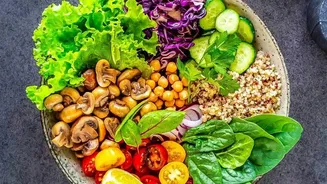
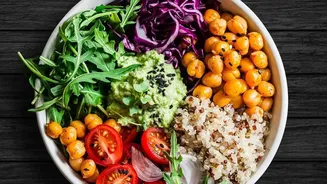
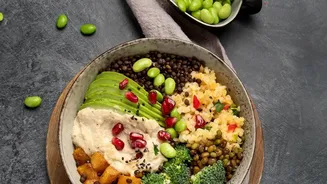
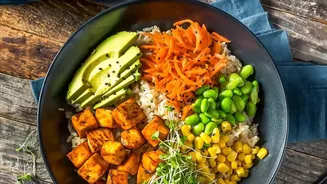
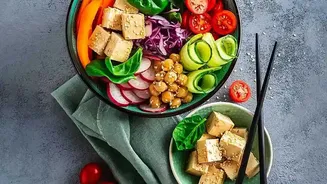
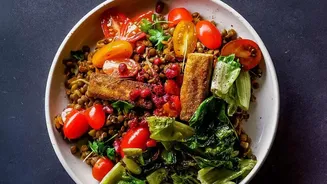
With your prepped ingredients, post-workout meals become a simple matter of assembly. There's no need for complex recipes when you're tired and hungry. Recovery Bowls: Start with a base of quinoa. Top it with your pre-cooked lentils or chickpeas, some baked tofu cubes, and a handful of edamame. Add leafy greens and a simple dressing like tahini-lemon for a balanced meal that covers protein, carbs, and healthy fats. Hearty Wraps and Salads: Stuff a whole-grain wrap with hummus, pre-cooked chickpeas, and any fresh vegetables you have. Alternatively, toss your pre-cooked lentils or beans into a large salad for an instant protein and fibre upgrade. * Quick Smoothies: For the fastest option, blend a plant-based protein powder (like soy or pea protein) with soy milk, a banana, and a handful of spinach. It’s an efficient way to get fast-digesting protein to your muscles immediately after a workout.