

Planning Your Rainforest Expedition
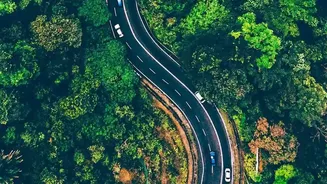
The drive from Bangalore to Agumbe covers approximately 350-380 kilometres and takes about seven to eight hours. The most recommended route passes through Hassan and Chikmagalur, offering scenic roads once you leave the main highway. While the monsoon
season (June to September) brings Agumbe to its most lush and dramatic state, heavy rains can make driving treacherous and cause trail closures. For a balance of vibrant greenery and accessibility, the post-monsoon months from October to February are ideal. During this period, the landscape is still verdant, waterfalls are full, and the weather is more pleasant for trekking and photography. Accommodation is limited in the small village, so booking a homestay in advance is crucial, especially during peak season.
Essential Gear for Rainforest Conditions
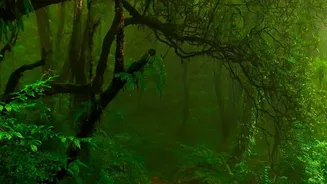
Rainforest photography presents unique challenges, primarily humidity and low light. Protecting your gear is paramount. A waterproof camera bag is non-negotiable. Carry an umbrella not just for yourself, but to shield your camera while shooting. Microfiber cloths are essential for constantly wiping moisture off your lens. Due to the dense canopy, light is often scarce. A tripod is crucial for maintaining sharp images with slower shutter speeds, and an external flash with a diffuser will be your best friend, especially for macro shots. For lenses, a dedicated macro lens is a must to capture the region's famed frogs, insects, and fungi up close. A wide-angle lens is also recommended for capturing the sweeping landscapes and misty hills.
Techniques for Capturing the Scenery
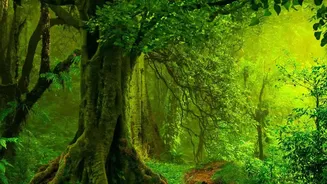
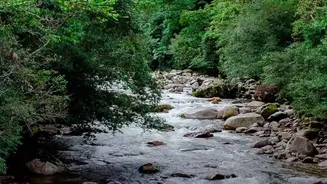
The rainforest is a low-light environment, so you'll need to move beyond your camera's auto mode. Use a wider aperture (lower f-number) to let in more light, but be mindful of a shallow depth of field. For macro shots of tiny creatures, you'll need to use a narrow aperture like f/11 or higher to get the entire subject in focus, which makes an external flash necessary. Focus stacking—taking multiple shots at different focus points and merging them later—is an advanced technique that yields incredibly sharp macro images. Don't forget to look for details: the texture of moss on a tree, water droplets on a leaf, or the pattern of a butterfly's wing. When shooting waterfalls like Barkana or Onake Abbi Falls, use a tripod and a slow shutter speed to create a silky, ethereal effect with the moving water.
Iconic Photography Spots in Agumbe
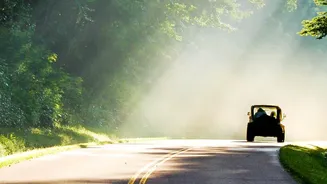
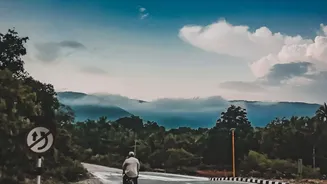
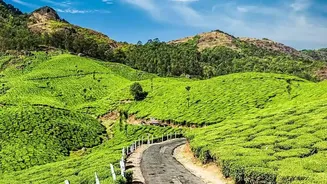
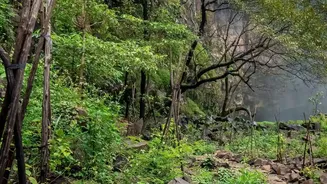
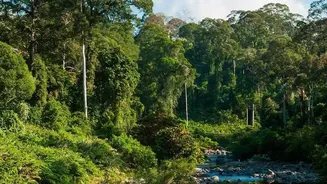
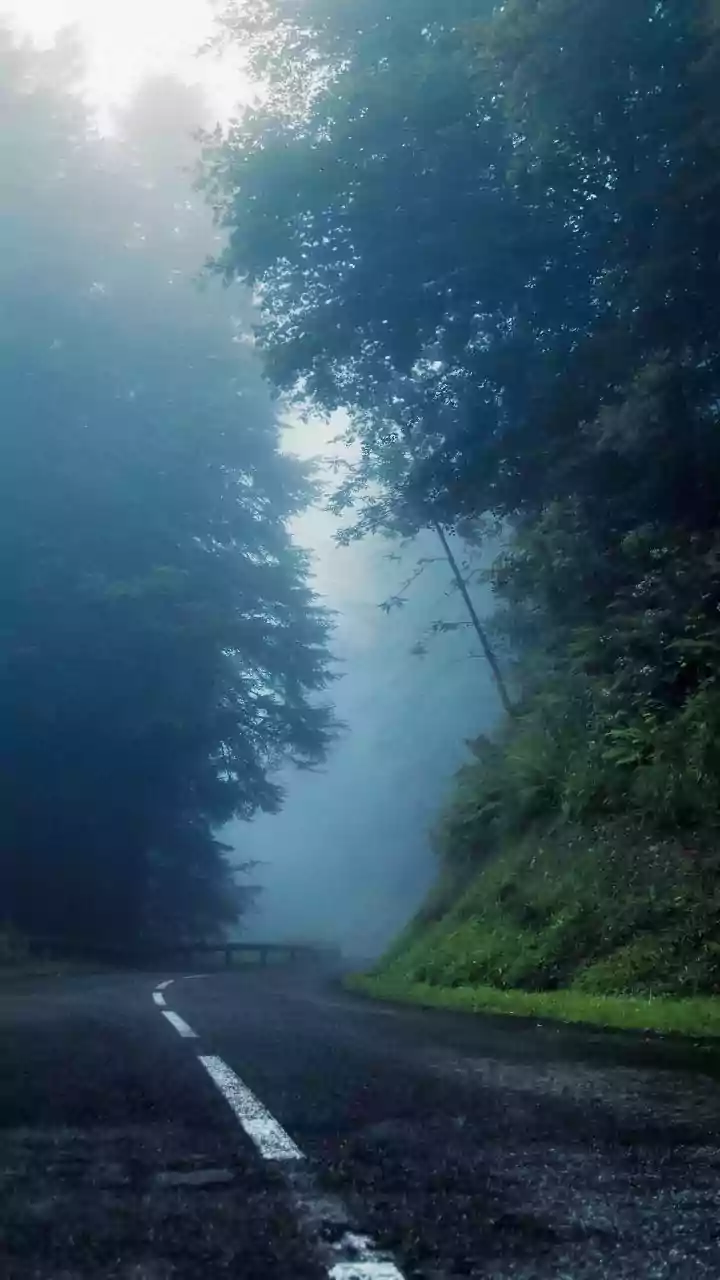
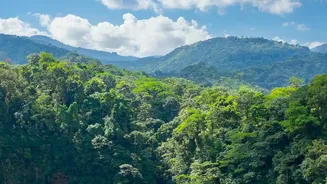
Agumbe is filled with picturesque locations. The Sunset View Point is perhaps the most famous, offering panoramic vistas of the sun dipping below the Western Ghats, particularly on clear days between October and March. For waterfall enthusiasts, Barkana Falls, one of India's highest, and the more accessible Jogigundi Falls are must-visits. The trek to Onake Abbi Falls through dense forest is rewarding for its serene beauty. For a different perspective, the drive up to Kundadri Hills reveals a 17th-century Jain temple at its peak, surrounded by misty, panoramic views of the ghats. The entire Agumbe ghat road itself, with its 13 hairpin bends, provides countless opportunities for stunning landscape shots.
Photographing with Respect
Agumbe's rich biodiversity, which includes the famous King Cobra, demands respect. The Agumbe Rainforest Research Station (ARRS) is a hub for conservation and a great place to learn about the local ecosystem. When photographing wildlife, maintain a safe distance and never disturb the animals or their habitat. Finding subjects can be a challenge as many creatures are tiny and camouflaged. Patience is key. It's often helpful to hire a local guide who knows the forest and can point out creatures you might otherwise miss. Remember that you are a visitor in their home. The goal is to leave the environment as pristine as you found it, taking only photographs and leaving only footprints.