







In a world buzzing with distractions, finding a moment of clarity can feel like a superpower. There is a simple, ancient technique that may help: a specific hand gesture known as Hakini Mudra, sometimes called the 'Mudra for the Mind'.
What Exactly Is a Mudra?
In yogic traditions,
a mudra is a symbolic or ritual gesture, most often performed with the hands and fingers. The Sanskrit word 'mudra' translates to 'seal' or 'mark'. These gestures are used in yoga and meditation to direct the flow of energy, known as prana, within the body. Different mudras are believed to have different effects on the body and mind, from calming the nervous system to invigorating the spirit. While there are hundreds of mudras, some, like Hakini Mudra, have gained popularity for their simplicity and purported benefits related to mental function.
Introducing Hakini Mudra: The 'Brain Power' Gesture
Hakini Mudra is a specific hand gesture associated with mental acuity. It is named after the Hindu goddess Hakini, who, in some traditions, presides over the Ajna chakra, or the third eye. This energy centre, located between the eyebrows, is considered the seat of intuition, wisdom, and intellect. Because of this connection, Hakini Mudra is often referred to as the 'Brain Power Mudra'. The core idea is that by performing this gesture, you can help harmonize the two hemispheres of the brain, leading to more integrated thinking and mental clarity.
How to Perform Hakini Mudra
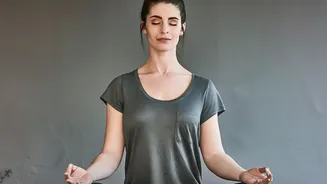
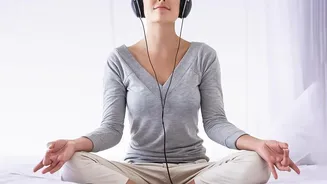
The beauty of Hakini Mudra lies in its simplicity. You can practice it almost anywhere, whether you're seated at your desk, on a chair, or in a traditional meditation pose on the floor. First, find a comfortable position with your spine relatively straight. Bring your hands up in front of your chest, with your palms facing each other but not touching. Gently bring the tips of all five fingers on your right hand to touch the corresponding fingertips of your left hand—thumb to thumb, index to index, and so on. Your hands will form a tent-like shape. Let your hands rest there, either in front of your solar plexus or held in your lap. Relax your shoulders and breathe deeply and evenly. For added focus, you can direct your gaze upwards towards your third eye, the space between your eyebrows.
The Believed Benefits of the Gesture
Practitioners turn to Hakini Mudra for a range of perceived mental benefits. The most commonly cited advantage is the enhancement of memory and concentration. Proponents suggest that it helps in recalling information and maintaining focus, making it a popular tool for students or professionals before a big presentation. It is also believed to promote clear thinking and support decision-making abilities by fostering cooperation between the logical left brain and the creative right brain. On an emotional level, the practice is said to calm the mind, reduce stress, and promote a sense of inner balance and confidence. The focused breathing that accompanies the mudra also helps deepen respiration, which can have a revitalizing effect on the brain.
Incorporating Hakini Mudra into Your Day
You don't need a yoga mat or a special cushion to practice Hakini Mudra. Its accessibility is one of its greatest strengths. Try holding the gesture for a few minutes before starting your workday to help centre your thoughts. Use it during a study break to improve retention or while brainstorming to spark creativity. Some people even practice it during mindful walking. You can hold the pose for just a few minutes or extend it for longer periods during a dedicated meditation session. The key is consistency. Using it as a simple, go-to tool whenever you feel mental fog or stress can help integrate its calming effects into your routine.