

The Great Migration from Metro to Mountains
For years, the career path for India’s tech talent was a one-way ticket to a bustling metropolis like Bengaluru, Pune, or Gurugram. The trade-off was simple: accept the high rent, long commutes, and urban grind in exchange for professional opportunity.
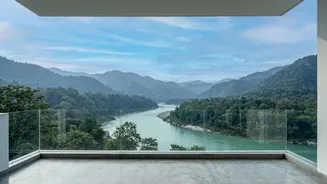
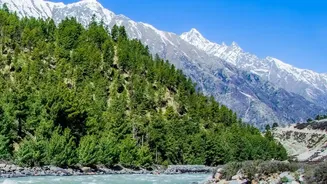
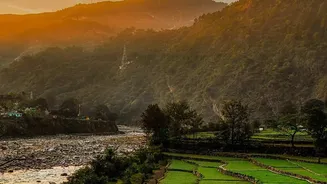
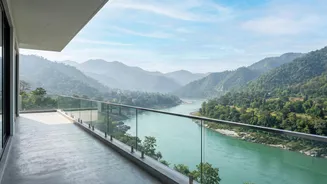
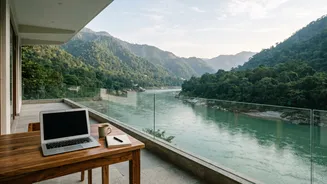
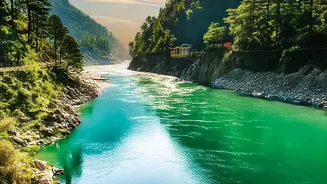
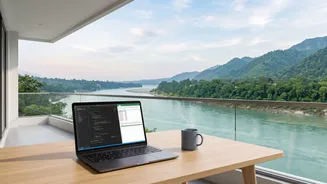
But a fundamental shift is underway. Spurred by the widespread adoption of remote work, a significant number of freelance developers, digital marketers, and creative professionals are ditching the city for the mountains. They are seeking refuge from burnout and a better quality of life, and Rishikesh has emerged as their destination of choice. This migration isn't about giving up on work; it's about reframing it. The allure is a life where a productive day of coding can be followed by evening meditation by the Ganga or a weekend trek in the Himalayas.
Why Rishikesh? The Perfect Blend
While many mountain towns offer scenic views, Rishikesh provides a unique trifecta of attractions: spirituality, adventure, and surprisingly robust infrastructure. Long known as the 'Yoga Capital of the World', its wellness culture is a major draw for those looking to de-stress. At the same time, the availability of activities like white-water rafting and hiking provides a physical outlet. Crucially, the town's digital infrastructure has caught up to the demand. The rollout of high-speed fibre internet has been a game-changer, transforming it from a spiritual retreat into a viable remote work hub. This combination means freelancers don't have to choose between a holistic lifestyle and a reliable internet connection—Rishikesh offers both.
The Co-Living Solution
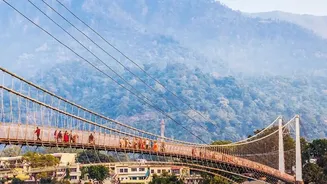
This influx has fuelled a boom in co-living spaces and work-friendly hostels, particularly in areas like Tapovan and Laxman Jhula. These aren't just dorm rooms; they are curated environments designed for the modern remote worker. For a monthly fee, which can be as low as ₹18,000 for a shared space, residents get a bed, reliable Wi-Fi, power backup, and access to communal kitchens and dedicated workspaces. This model eliminates the logistical headaches of finding an apartment and setting up utilities, offering a plug-and-play solution. More importantly, these hubs are designed to combat the loneliness that often accompanies freelance life. Through organised events, workshops, and shared social spaces, they foster a built-in community, allowing nomads to connect with like-minded professionals from around the world.
Reality Behind the Instagram Post
Of course, the reality of a Rishikesh 'workation' isn't always as flawless as social media suggests. While dedicated co-working hubs offer fast internet, connectivity can still be patchy in independent cafes or more remote guesthouses. The peace and quiet can also be interrupted by the town's natural bustle, especially during peak tourist seasons. There's also the challenge of maintaining discipline when the Ganga and mountains are calling. Some find the environment is a perfect blend of work and life, while others may struggle to find a balance between productivity and the plethora of wellness and adventure activities on offer. The key is finding a space and a routine that respects work time while still allowing for the unique lifestyle benefits the location provides.
A New Local Economy and Its Impact
The arrival of a high-spending, long-stay demographic is reshaping Rishikesh's economy. It has spurred the growth of cafes, wellness centres, and adventure tourism operators catering to these new residents. This economic boost creates jobs and brings new revenue streams to the town. However, this trend also presents challenges. The increased demand for housing has the potential to drive up rents, which could impact locals who have lived there for generations. There is also the broader question of the strain on local infrastructure and the cultural impact of a transient, globalised community setting up shop in a traditional pilgrimage town. The long-term sustainability of this boom will depend on managing this growth in a way that benefits both newcomers and the local population.