



Before You Leave: Preparation is Key
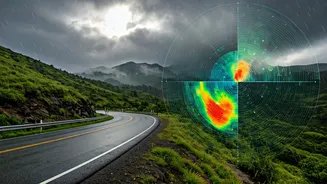
Spontaneous road trips are great, but not during a downpour. The most critical step for safe travel in heavy rain happens before you even start your engine. First, check the weather forecast from a reliable source like the India Meteorological Department
(IMD). If a red or orange alert is issued for your route, the safest decision is to postpone your trip. Inform your family or friends about your travel plans, including your route and estimated time of arrival. Charge your phone fully and carry a power bank. Your vehicle also needs a pre-monsoon check-up. Ensure your tyres have good tread depth to grip wet roads, your wipers are functioning perfectly, and all lights (headlights, taillights, and fog lamps) are working. A car that is well-maintained is your first line of defence against the elements.
On the Road: Driving in a Downpour
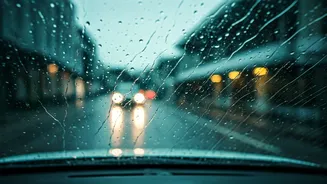
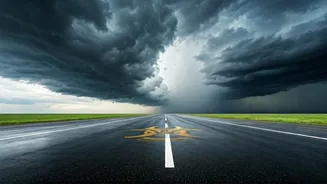
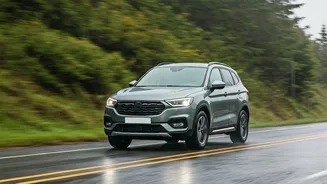
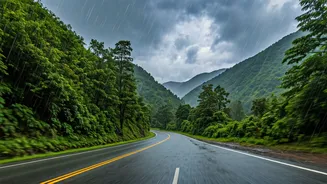
Once you're on the road, your driving habits must change. The number one rule is to slow down. Your braking distance increases significantly on wet roads, and reducing your speed gives you more time to react. Maintain a greater distance from the vehicle in front of you—aim for a five-to-six-second gap instead of the usual three. Use your headlights, even during the day, to increase your visibility to other drivers. Avoid using cruise control, as you need to be in complete control of your vehicle's speed and acceleration. The biggest risk when driving fast on wet roads is hydroplaning, where your tyres lose contact with the road surface and skid on a thin layer of water. If you feel the car starting to hydroplane, do not brake or turn the wheel suddenly. Ease your foot off the accelerator and steer straight until you feel the tyres regain grip.
Navigating Waterlogged Streets
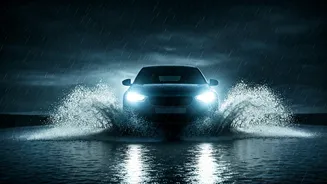
Waterlogged roads are a common and dangerous feature of Indian monsoons. If you can, avoid them entirely. If you have no choice, proceed with extreme caution. It's impossible to know the depth of the water or what hazards lie beneath, such as open manholes or deep potholes. As a general rule, if the water is deeper than the bottom of your car door, do not attempt to drive through it. If you must proceed, drive slowly and steadily in a low gear to keep your engine RPMs high, which helps prevent water from entering the exhaust pipe. Avoid creating a large 'bow wave' with your car, and try to stay in the middle of the road where it is often highest. After passing through water, gently tap your brakes a few times to help dry them out.
For Pedestrians and Two-Wheeler Riders
If you are walking or riding a two-wheeler, you are far more exposed to the risks of heavy rainfall. For pedestrians, the biggest unseen danger is open manholes. Walk carefully and try to stay away from the edges of submerged sidewalks. Be extremely cautious of loose, dangling electrical wires, which can be live and pose a fatal electrocution risk. Report any such wires to the local electricity board immediately. Wear sturdy, non-slip footwear. For two-wheeler riders, the challenges are immense. Reduced visibility and slippery roads make braking and manoeuvring difficult. Potholes hidden by water can cause a sudden loss of balance. It's crucial to wear a full-face helmet and high-visibility rain gear. Like cars, slow down significantly and increase your following distance. If the rain is too heavy, the safest option is to find a safe, covered spot and wait for it to subside.
Pack an Emergency Kit
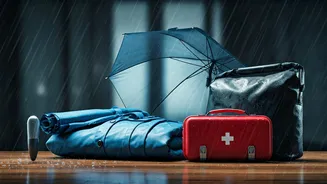
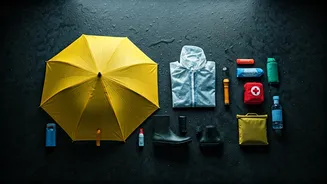
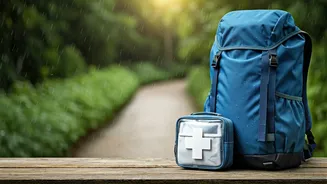
Being prepared for the worst can turn a crisis into a mere inconvenience. Keep a monsoon emergency kit in your vehicle. This should include a first-aid kit, a powerful torch with extra batteries, dry snacks, and bottled water. A rope for towing, a reflective safety triangle, and a phone charger or power bank are also essential. Keep important documents in a waterproof bag. It’s also wise to save emergency contact numbers on your phone, such as local police, disaster management services, and roadside assistance. Having these items readily available means you won't be left stranded and helpless if you encounter trouble.