





The Weather Showdown: Sun vs. Rain
Your choice begins with the weather you want to experience. July is peak summer in Ladakh, but not the kind you might be escaping from. Because of its high altitude and rain-shadow location, Ladakh experiences very little rainfall. Expect clear blue skies,
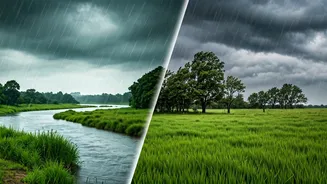
strong sun, and pleasant daytime temperatures hovering between 20°C and 30°C. Nights, however, get chilly, often dropping to around 10°C, so packing layers is essential. Conversely, the Western Ghats are in the full throes of the southwest monsoon in July. This region, spanning states like Maharashtra, Karnataka, and Kerala, transforms into a vibrant green paradise. Temperatures are cool and comfortable, but heavy rainfall is a daily affair. If your idea of a holiday involves cozying up with a book while watching the rain lash down, or feeling the mist on your face, the Ghats are calling your name. If you're seeking sunshine and clear views, Ladakh is the undisputed winner.
Landscapes: Stark Beauty or Lush Greenery
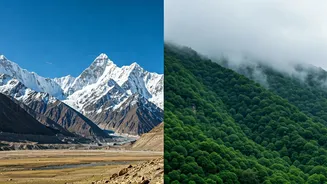
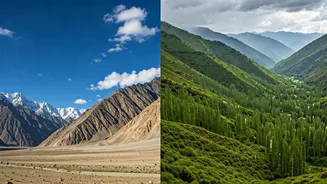
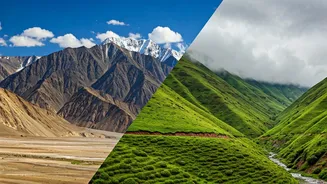
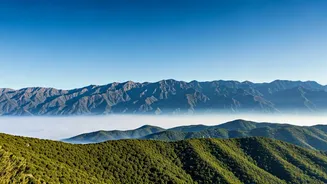
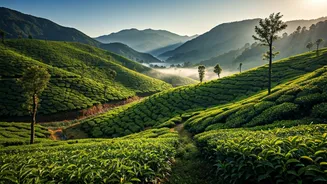
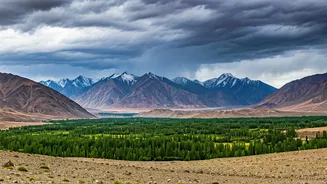
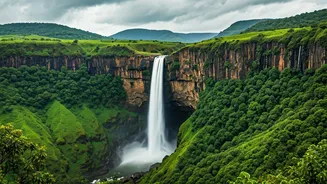
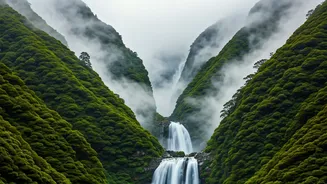
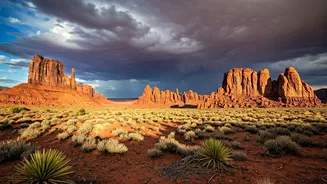
The visual contrast between the two destinations is dramatic. Ladakh offers a landscape of stark, majestic beauty. Think barren, multi-hued mountains, vast valleys, and impossibly blue high-altitude lakes like Pangong Tso and Tso Moriri. It’s a photographer's dream, with the clear July weather providing perfect conditions for capturing its raw, epic scale. The roads themselves, like the high passes of Khardung La, are part of the spectacle. The Western Ghats in July are the complete opposite. The monsoon breathes life into the entire ecosystem, creating a landscape of intense, overwhelming greenery. Hills are carpeted in emerald foliage, seasonal waterfalls erupt from every corner, and a constant blanket of mist adds a layer of mystique. Destinations like Munnar, Coorg, and Mahabaleshwar are at their most beautiful, with overflowing rivers and lush tea and coffee plantations. The beauty here is not in grand, stark vistas but in the rich, dense, and living tapestry of the rainforest.
Activities: High-Octane Adventure or Cozy Exploration
In July, Ladakh is wide open for adventure. With both the Manali-Leh and Srinagar-Leh highways accessible, it's the prime season for road trips and motorbiking. Trekking routes like the Markha Valley are in perfect condition, and activities like river rafting on the Indus or Zanskar rivers are in full swing. You can explore ancient monasteries like Thiksey and Hemis, or camp under star-filled skies in Nubra Valley. It’s a trip for those who want to be active and on the move. Travel in the Western Ghats during July is a more relaxed affair. Heavy rains can make extensive trekking risky, but it’s the perfect time for short hikes to thunderous waterfalls like Abbey Falls in Coorg or Dudhsagar in Goa. The focus shifts indoors to enjoying the monsoon from a scenic homestay, indulging in wellness treatments, or exploring the rain-washed streets of hill stations like Lonavala or Wayanad. It's less about ticking off a list of activities and more about soaking in the atmosphere.
The Vibe: Adventure vs. Romance
The atmosphere of each destination is a key differentiator. A trip to Ladakh in July is defined by a spirit of adventure. It’s a journey that requires acclimatization to the high altitude and a readiness to embrace long drives on challenging roads. The tourist season is at its peak, so Leh will be buzzing with fellow travelers, bikers, and trekkers from around the world. The vibe is social, energetic, and geared towards exploration. The Western Ghats in monsoon, however, offer a more tranquil and romantic experience. It’s considered the off-season in many parts, meaning fewer crowds and a more peaceful environment. The mood is contemplative and slow-paced. It’s the perfect setting for couples looking for a romantic getaway or anyone seeking solitude and a chance to reconnect with nature in its most vibrant form. The sound of the rain, the smell of wet earth, and the sight of misty hills create a deeply atmospheric and rejuvenating experience.