





The High Cost of Travel Stress
According to SITA's 2026 Passenger IT Insights report, travel-related stress is having a real impact on the aviation industry's bottom line. The survey, which gathered responses from nearly 8,000 travellers across 24 countries, found that a staggering
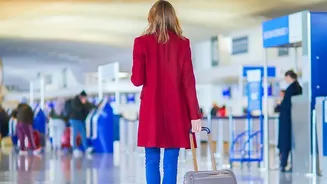
42% of passengers have decided against a trip because they anticipated it would be too stressful. This isn't just a minor inconvenience; it represents a significant loss of demand. The issue is particularly acute among the industry's most valuable customers. Six in ten frequent flyers and more than half of travellers under 30 have abandoned travel plans due to expected stress. These findings suggest that the persistent friction points in the travel journey are no longer just a customer service issue but a direct threat to commercial success.
Delays and Queues Remain Top Frustrations
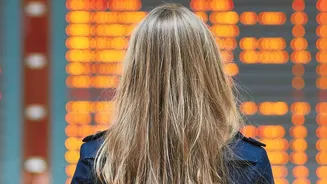
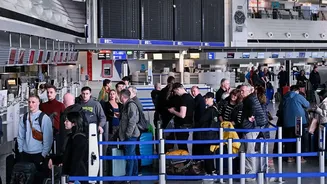
At the heart of passenger anxiety are the age-old problems of delays, cancellations, and long waits. These operational issues were flagged as the primary sources of frustration. The period between clearing security and boarding the plane has become a particular hotspot for anxiety. The report reveals that a third of passengers now feel anxious during this time, a figure that has tripled since 2023. This 'dwell time' is crucial for airports, as it's when passengers spend money in shops and restaurants. However, uncertainty about gate changes, boarding times, and potential delays means passengers are often too worried to relax and spend. SITA's research suggests 37% of travellers would spend more if their journey were less stressful.
The Black Hole of Checked Baggage
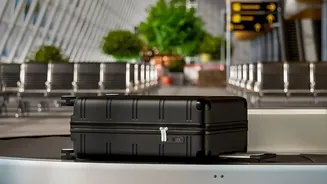
Alongside delays, the fate of checked luggage remains a major source of concern. The uncertainty of not knowing where your bag is at any given moment contributes significantly to overall travel stress. While the industry has made strides in reducing the rate of mishandled bags, passenger perception is shaped by the fear of loss and the lack of real-time information. According to SITA's CEO David Lavorel, much of the stress comes down to passengers 'not knowing what happens next'. Providing clear, instant updates on a bag’s location—from check-in to the carousel—is identified as a key way to put passengers' minds at ease. The demand for this visibility is high, as travellers want the same level of tracking they get with parcel deliveries.
Technology: The Believed Solution
Despite technology being part of the modern travel landscape for years, a gap remains between its potential and its implementation. Passengers, however, firmly believe technology is the answer. Eight out of ten travellers think technology can reduce the stress of air travel. Confidence is even higher among frequent flyers (89%) and those under 30 (86%), the very groups most likely to cancel trips due to stress. Passengers have shown they are ready for more automation, especially for real-time updates. Four in ten are comfortable receiving travel information and disruption notifications from AI systems. The report points to the United Arab Emirates as a success story, where high usage of technology at border control corresponds with significantly lower negative emotions compared to the global average.
A Call for Information and Control
Ultimately, the SITA report sends a clear message to the aviation industry: passengers want more information and a greater sense of control over their journey. When a flight is rescheduled, they want to know the new departure time, the new gate, and the status of their luggage immediately. This requires a fundamental shift towards greater data sharing between airlines, airports, ground handlers, and border agencies. By providing this information proactively through mobile alerts and live displays, the industry can address the core anxieties that are causing passengers to stay home. As SITA's CEO notes, every trip won back is a 'seat filled, a parking space sold and a coffee bought', highlighting the direct commercial incentive to create a calmer, more predictable travel experience.