







Why Nursery Labels Fall Short
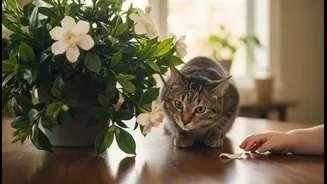
You might assume a plant's tag would mention if it's dangerous to animals, but that's rarely the case. Nurseries and garden centres are experts in horticulture, not veterinary toxicology. Their primary goal is to tell you how to keep the plant alive—how
much water, sun, and fertiliser it needs. The complex science of how a plant's chemical compounds affect a cat versus a dog of a certain size is outside their scope. Recently, a pet owner in the UK launched a petition for mandatory toxicity warnings after her Chihuahua nearly died from eating a common hosta plant. The reality is, with no legal requirement to provide these warnings, most retailers don't. A plant might be listed with a generic common name that applies to multiple species, some toxic and some not, adding another layer of confusion.
Common Culprits in Indian Homes
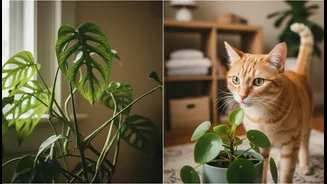
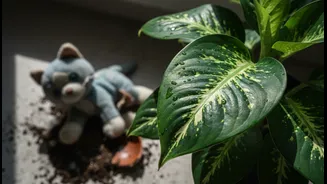
Many of the most popular and easy-to-care-for houseplants in India are unfortunately toxic to pets. The common Money Plant (Pothos) and Peace Lily, for example, contain insoluble calcium oxalate crystals. When chewed, these sharp crystals cause intense oral irritation, pain, drooling, and difficulty swallowing. The trendy Snake Plant and Aloe Vera contain saponins, which can lead to nausea, vomiting, and diarrhoea if ingested. Other plants to be wary of include the Jade Plant, ZZ Plant, and Dieffenbachia. One of the most severe threats comes from the Sago Palm, a popular ornamental plant where every part is highly toxic and can cause liver failure and death.
Know the Signs of Plant Poisoning
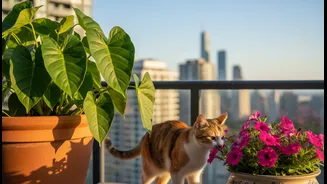
If your pet does manage to nibble on something they shouldn't, recognising the symptoms quickly is critical. While signs can vary depending on the plant and how much was eaten, there are several common red flags. Gastrointestinal upset is very common, including vomiting, diarrhoea, excessive drooling, and a loss of appetite. Neurological signs are also a major concern; look for lethargy, weakness, tremors, disorientation, or even seizures. Some toxins cause immediate and visible irritation, such as swelling of the mouth and tongue or difficulty breathing. In severe cases, particularly with plants like lilies for cats or the Sago Palm, symptoms can progress to organ damage, indicated by jaundice (yellowing gums) or changes in thirst and urination.
How to Verify Plant Safety Yourself
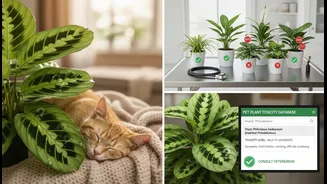
Since you can't rely on the plant tag, becoming your own safety expert is the best approach. The gold standard for checking plant toxicity is the extensive online database provided by the American Society for the Prevention of Cruelty to Animals (ASPCA). Their lists are searchable, specify toxicity for dogs, cats, and horses, and describe the clinical signs of poisoning. The Pet Poison Helpline is another excellent resource. Before buying a new plant or bringing one indoors, look up its scientific name (not just the common name) in these databases. If you're ever in doubt, it's always safest to assume the plant is toxic and keep it away from your pets.
Creating a Pet-Safe Green Space
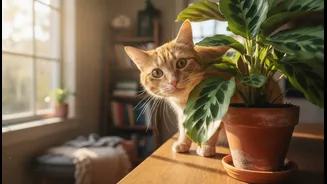
The good news is you don't have to choose between your furry friends and a home full of plants. The easiest strategy is to choose plants that are known to be non-toxic. Great pet-safe options widely available in India include the Areca Palm, Spider Plant, Boston Fern, and certain species of Calathea (Prayer Plant) and Palms. Many beautiful flowering plants like African Violets and most Orchids are also safe. If you have your heart set on a plant that's mildly toxic, placement is key. Use high shelves, hanging planters, or designate a specific room as a 'plant sanctuary' that your pets can't access. A little proactive research is all it takes to cultivate a home that is both beautifully green and perfectly safe for every member of your family.