




An Escape on a Stick
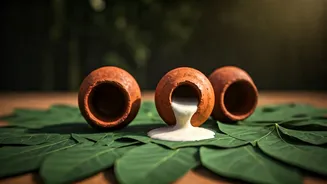
Imagine the scene: the cacophony of a bustling Amritsari lane, the air thick with the scent of spices and sizzling street food. You find a kulfi-walla, his cart a beacon of hope. With a practiced hand, he dips his arm deep into a matka (earthen pot) filled
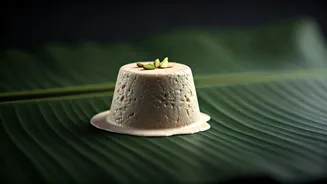
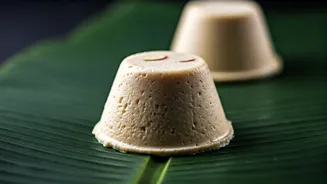
with ice and rock salt, pulling out a long, conical metal mould. A quick dip in water, a sharp tap, and out slides a dense, pale-yellow block of frozen dessert. It’s not airy ice cream; this is something far more substantial. This is kulfi.
What Makes Kulfi Different?
To call kulfi 'Indian ice cream' is a convenient but ultimately inaccurate description. Unlike ice cream, which is whipped to incorporate air and create a light texture, kulfi is all about density. The magic begins with full-fat milk, which is slow-cooked for hours, often in a wide, heavy-bottomed pan called a kadai. This patient process reduces the milk, thickening it and caramelising its natural sugars, resulting in a rich, nutty base known as rabri. There's no churning involved. The thickened milk, flavoured and sweetened, is poured into moulds and slow-frozen, giving kulfi its characteristic creamy, almost chewy texture that melts slowly, defying the summer heat.
The Amritsari Speciality
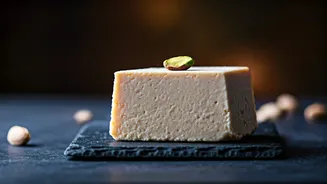
While kulfi is beloved across India, the Amritsari version holds a special place in the nation’s culinary heart. What sets it apart is its unapologetic richness. Amritsari kulfi is often loaded with khoa (milk solids), which makes it even denser and creamier. The flavour profile is classic and confident: the warmth of green cardamom, the subtle sweetness of the reduced milk, and the textural crunch of chopped pistachios and almonds. Some vendors add a hint of saffron or rose water, but the true Amritsari style lets the dairy do the talking. It’s a flavour that feels both luxurious and profoundly comforting.
The Art of the Leaf
Perhaps the most charming and nostalgic part of the experience is the presentation. Instead of a plastic cup or a paper wrapper, the best Amritsari kulfi is served on a ‘dauna’—a small, rustic bowl skillfully fashioned from dried Sal or Banyan leaves. The kulfi is sliced into rounds and layered in this natural cup, often drizzled with falooda (thin vermicelli noodles) and a touch of rose syrup. This isn't just for aesthetics. The leaf imparts a faint, earthy aroma that complements the sweetness of the kulfi. It’s an eco-friendly tradition that connects the treat to nature, grounding the experience in a simpler time. Holding that cool leaf cup as the kulfi slowly melts is a sensory delight that a plastic bowl could never replicate.
A Bite of Pure Nostalgia
Every bite of Amritsari kulfi is a journey back in time. It tastes of long summer holidays, of pocket money well spent, of grandparents sharing their favourite childhood treat. In a world of fleeting food trends and complex flavour combinations, the kulfi remains a steadfast icon of simplicity and tradition. It doesn't scream for attention with bright colours or fancy toppings. Its appeal lies in its authenticity and the generations of expertise perfected on the streets of cities like Amritsar. It’s a testament to the idea that sometimes, the most profound flavours are the ones that have been cherished for centuries.