
From Tarmac to Waterways
The Ude Desh ka Aam Nagrik (UDAN) scheme was launched in 2016 with a clear goal: to make air travel affordable and connect India's smaller towns and cities. For years, it has focused on developing underserved airports and subsidising routes to bring Tier-2
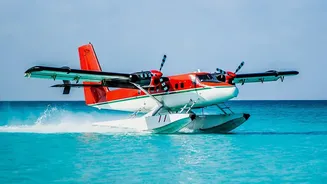
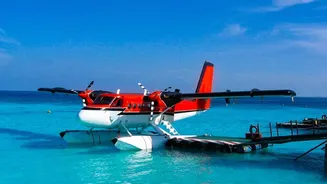
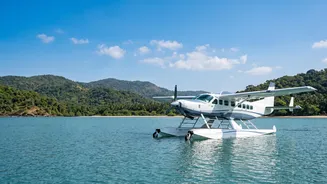
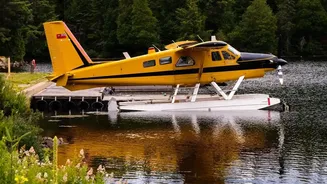
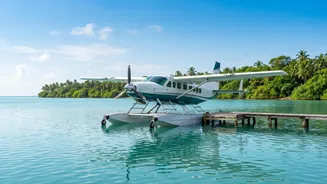
and Tier-3 cities into the national aviation network. Now, the scheme is adding a novel dimension by incorporating seaplanes. These aircraft can take off from and land on water bodies, eliminating the need for costly runways and traditional airport infrastructure. This unique capability makes them ideal for reaching isolated areas that have lakes, rivers, or reservoirs but no nearby airstrips, promising a new era of last-mile connectivity.
Connecting Hubs to Hidden Gems
The vision for the seaplane service is to create a 'hub and spoke' model, linking major urban centres with destinations of touristic or religious importance. An early example was the route connecting Ahmedabad's Sabarmati Riverfront to the Statue of Unity in Kevadia, launched in 2020. While that service faced challenges, it laid the groundwork for a broader national plan. The government has identified numerous potential routes, with plans to connect cities like Mumbai, Delhi, and Kochi to locations such as Shirdi, Tehri Dam, the Andaman & Nicobar and Lakshadweep islands, and the backwaters of Kerala. As of late 2025, Letters of Intent have been issued for 150 new routes connecting 30 water aerodromes.
A New Wave for Tourism and Economy
The primary driver behind the seaplane expansion is the immense potential for tourism. By drastically cutting travel time to remote scenic spots, the service aims to attract both domestic and international tourists. For example, a journey that might take hours by road could be completed in a fraction of the time by seaplane, making weekend trips more feasible. This increased accessibility is expected to stimulate local economies in a significant way. The influx of visitors could lead to the growth of hotels, restaurants, and local businesses, creating new employment opportunities for tour guides, artisans, and service providers in regions that have historically been cut off from major economic activity.
Navigating Turbulent Waters
Despite the exciting prospects, the path to a widespread seaplane network is not without its obstacles. The UDAN scheme itself has faced sustainability issues, with reports indicating that nearly half of the routes launched since 2017 have ceased operations due to low demand and commercial non-viability. The first seaplane service in Gujarat also struggled with high operating costs once subsidies ended. For new operators, challenges include stringent safety and security regulations, which can be costly to implement at water aerodromes. Furthermore, the financial health of regional carriers remains a concern, as many operate with small, ageing fleets and struggle with profitability. The success of these new routes will depend heavily on sustained demand, especially during off-peak seasons, and a supportive regulatory framework that makes the operations financially viable for airlines in the long run.