




What Is Functional Fitness?
At its core, functional fitness is a style of exercise that trains your body for the activities you perform in daily life. Instead of isolating one muscle at a time, like with a bicep curl, functional exercises involve complex, multi-joint movements that teach
different muscle groups to work together effectively. Think about the real-world actions you do every day: squatting to pick something up, carrying groceries, placing an item on a high shelf, or twisting to get out of a car. Functional training is designed to make these everyday tasks easier, safer, and less likely to cause injury. The goal isn't just to build bigger muscles, but to build a body that moves with strength, stability, and efficiency.
The Shift from Aesthetics to Ability
For decades, mainstream strength training was heavily focused on aesthetics—building a lean, sculpted physique by targeting specific muscles. While that approach is effective for bodybuilders, a growing number of people are now prioritising what their bodies can do over how they look. This shift is driven by a desire for longevity and a higher quality of life. People want to stay independent and active as they age, play with their children without getting hurt, and manage the physical demands of a desk job without chronic pain. The focus has moved from appearance to capability. In India, this trend is gaining significant traction among diverse groups, including urban professionals, women, and older adults who are embracing strength training for its health benefits, like improved bone density and the ability to perform daily tasks without fatigue.
Functional vs. Traditional Training
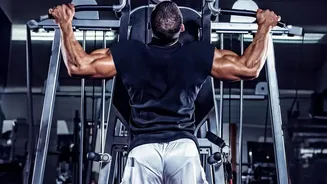
The key difference lies in the movements. Traditional strength training often uses machines and isolation exercises to work a single muscle group, such as a leg extension machine for the quadriceps. Functional training, however, prefers compound exercises that mimic natural movement patterns. For example, instead of just a bicep curl (one muscle, one joint), a functional workout might feature a lunge with a kettlebell press. This single movement engages the legs, glutes, core, and shoulders simultaneously, while also challenging your balance and coordination. While traditional training is excellent for maximising muscle size, functional fitness excels at improving overall mobility, coordination, balance, and reducing the risk of injury in real-world scenarios.
What Does a Functional Workout Look Like?
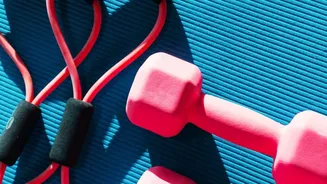
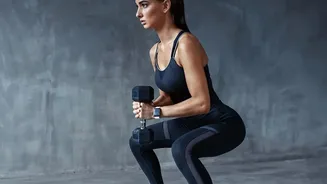
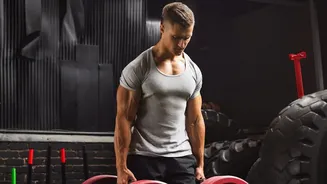
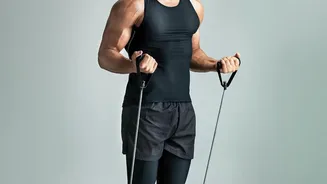
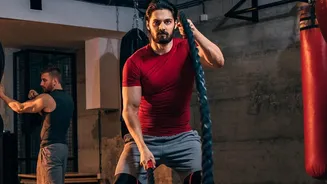
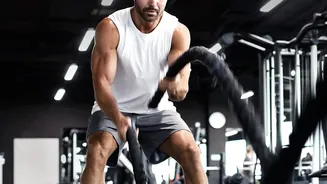
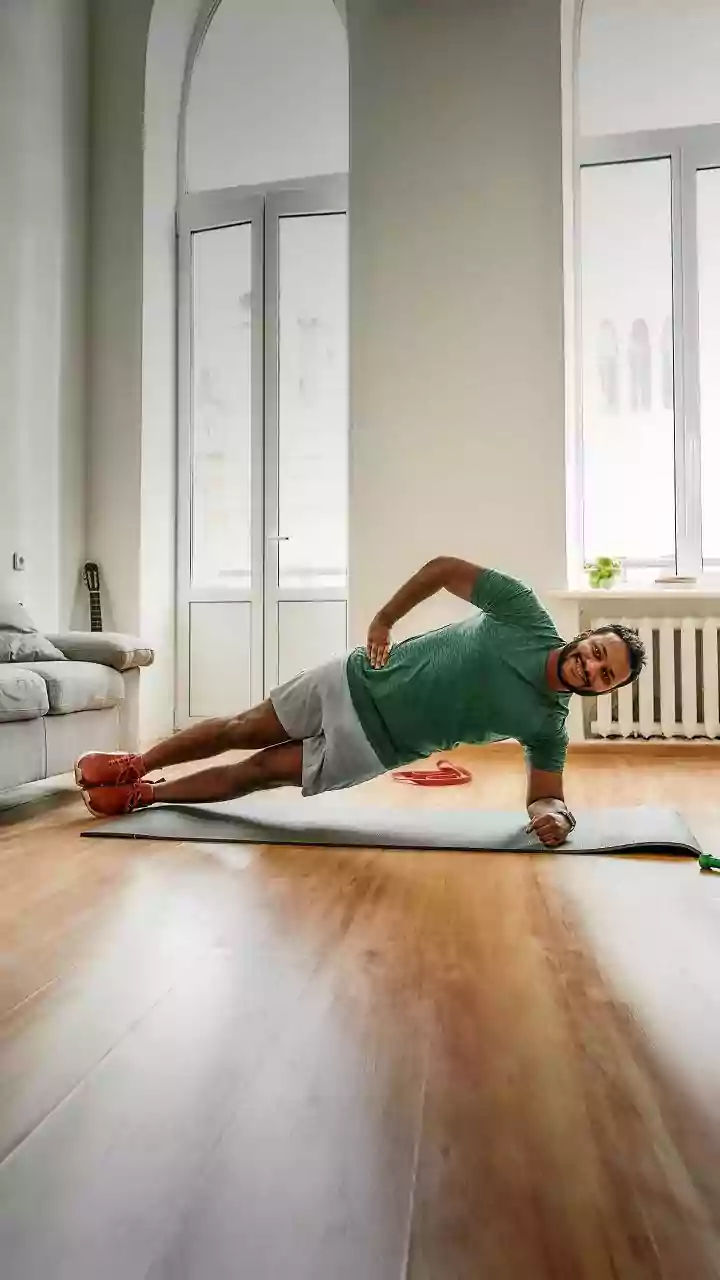
Functional workouts are incredibly versatile and can be adapted for any fitness level. They often use a mix of bodyweight exercises and free-weights like kettlebells, dumbbells, and resistance bands. Some fundamental functional movements you might see in a workout include: - Squats: This mirrors the motion of sitting down and standing up. - Deadlifts: This trains you to safely lift heavy objects off the floor. - Push-ups: This builds upper body and core strength for pushing actions. - Rows: This mimics pulling objects toward you, like starting a lawnmower or opening a heavy door. - Farmer's Carries: Simply walking while holding heavy weights in each hand, this builds grip strength, core stability, and posture, just like carrying shopping bags. - Lunges: These improve balance and single-leg strength, crucial for walking, climbing stairs, and many sports.