





From Niche Delicacy to Urban Staple
Not long ago, finding good sushi in India was a challenge, and finding good vegetarian sushi was nearly impossible. It was a dish confined to the menus of five-star hotels, often viewed with suspicion by the country's large vegetarian population. The
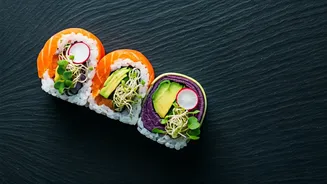
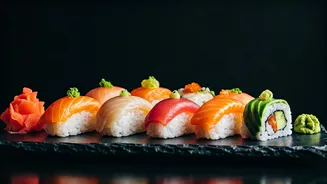
options were usually limited to a sad cucumber maki or a basic avocado roll. Today, the landscape couldn't be more different. From Mumbai and Delhi to Bengaluru and Chennai, a vibrant wave of premium vegetarian sushi is washing over the culinary scene. Speciality restaurants, chic cafes, and even delivery-only kitchens are crafting inventive, flavourful, and entirely plant-based rolls that are converting sceptics into loyal fans. This isn't just an alternative; for many, it's the main event.
The Perfect Storm of Factors
So, what’s fuelling this green wave? It’s a convergence of several cultural and social trends. Firstly, there’s the undeniable influence of a young, globally-aware population eager to experiment with international cuisines. Sushi, with its sophisticated and healthy image, fits perfectly. Secondly, the wellness movement has put a spotlight on plant-based diets, making vegetarian options more desirable than ever. But perhaps the biggest driver is simple demographics: India has one of the largest vegetarian populations in the world. Chefs and restaurateurs finally recognised the massive untapped market that was waiting for a version of sushi they could embrace without compromise. Add the visual, 'Instagrammable' appeal of a colourful sushi platter, and you have a recipe for a viral food trend.
Reimagining the Roll, Indian Style
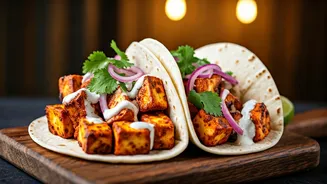
The success of veg sushi in India lies in its sheer creativity. Chefs are moving far beyond the simple cucumber and avocado. The modern veg sushi menu is a playground of textures and flavours. Think crunchy asparagus tempura rolls drizzled with spicy mayo, creamy avocado and cream cheese rolls topped with crispy onions, or rolls filled with earthy mushrooms and truffle oil. The innovation doesn't stop there. Many chefs are incorporating distinctly Indian flavours, creating a unique fusion. You might find rolls featuring pickled mango for a tangy kick, spiced paneer for a familiar protein hit, or even jackfruit that mimics the texture of pulled meat. These creations aren’t just substitutes for fish; they are culinary stars in their own right, designed from the ground up to be delicious and satisfying.
More Than Just Food
The appeal of sushi extends beyond the plate. It represents a complete dining experience. The artful presentation, the communal nature of sharing a platter, and the ritual of using chopsticks all contribute to its allure. For many young urban Indians, going out for sushi is an experience—a way to socialise, celebrate a special occasion, or simply treat oneself to something that feels modern and cosmopolitan. Restaurants are leaning into this, creating beautiful ambiances that complement the aesthetic of the food. This focus on the overall experience has helped cement sushi’s status not just as a meal, but as a form of entertainment and a marker of a contemporary lifestyle.