



West Bengal: Khichuri and Ilish Bhaja
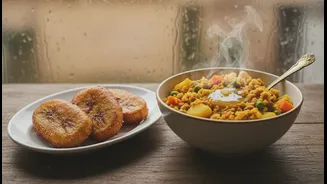
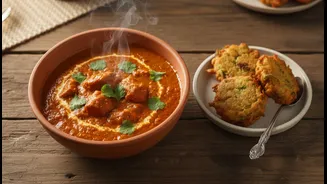
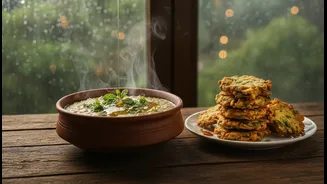
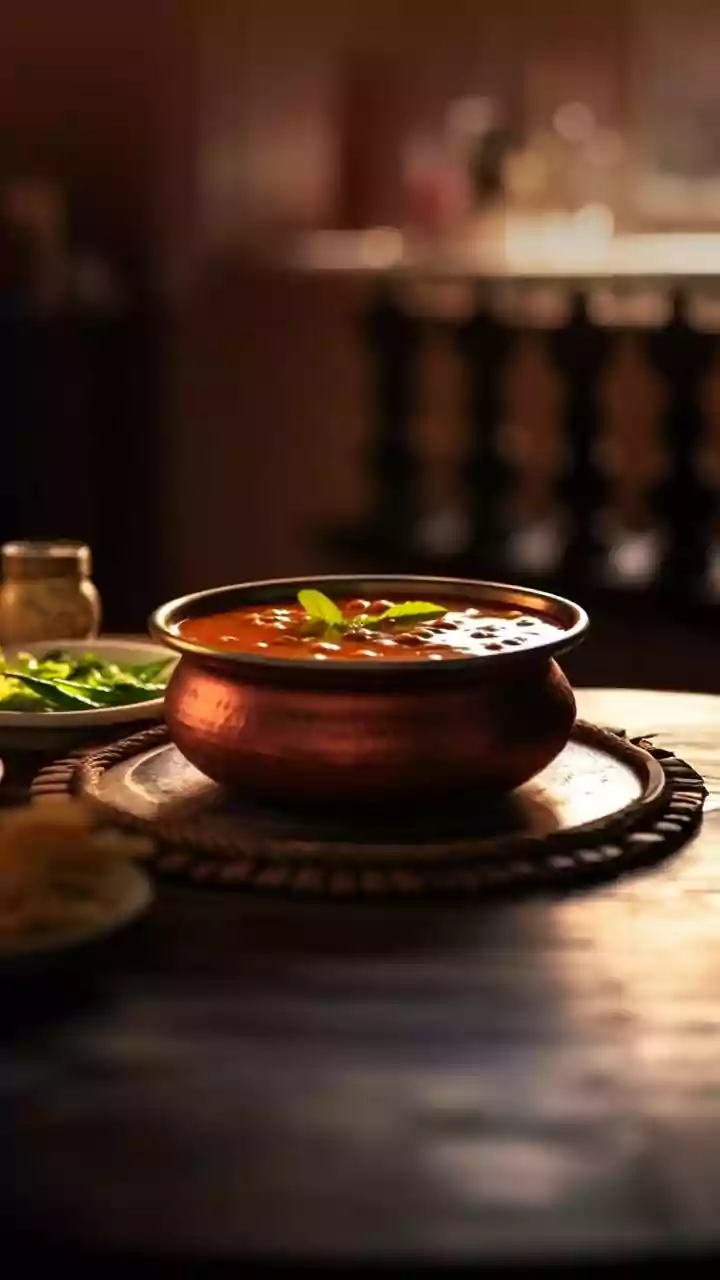
On a rainy day in Bengal, there is one meal that reigns supreme: a steaming bowl of Khichuri paired with crisp Ilish Bhaja (fried Hilsa fish). This isn't the simple, bland khichdi reserved for the unwell; Bengali khichuri is a rich, fragrant affair made
from rice and roasted moong dal, spiced with ginger, turmeric, and whole garam masalas, and finished with a generous dollop of ghee. The accompanying Ilish, a fish that is at its prime during the monsoon, is simply marinated and fried until its skin is crackling, providing a perfect textural contrast. This combination is more than just food; it’s an emotion, a celebration of the season's bounty that warms you from the inside out.
Maharashtra: Kanda Bhaji and Cutting Chai
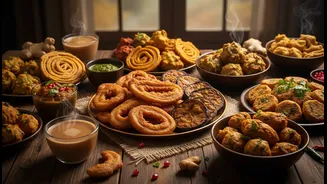
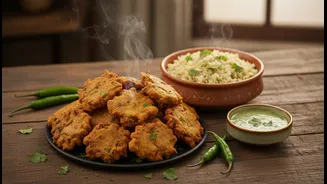
The quintessential Mumbai monsoon experience is incomplete without stopping at a roadside stall for Kanda Bhaji, or crispy onion pakoras. Thinly sliced onions are mixed with a spiced gram flour (besan) batter and deep-fried to golden perfection. They are impossibly crispy, a little sweet from the onion, and have just the right amount of spicy kick. Paired with a small, strong glass of 'cutting chai'—a heavily spiced, milky tea—it’s the perfect snack to enjoy while watching the downpour. This combination isn’t just a treat; it’s a shared cultural ritual that brings a sense of warmth and camaraderie to a rain-soaked city.
Kerala: Parippu Vada and Karkidaka Kanji
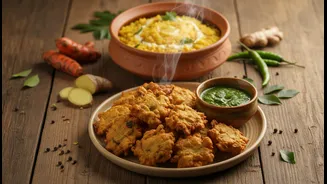
Down in Kerala, the monsoon, or 'Karkidakam', is a time for rejuvenation, and the food reflects this. A beloved rainy-day snack is Parippu Vada, a crunchy and savoury lentil fritter. Made from a coarse paste of split chickpeas (chana dal) and toor dal, mixed with ginger, green chillies, and onions, these vadas are fried to a perfect golden-brown. For a more holistic approach, many Keralites turn to Karkidaka Kanji, a medicinal rice porridge. This Ayurvedic gruel is prepared with special Njavara rice, coconut milk, and a blend of herbs and spices designed to boost immunity and aid digestion during the damp season. It’s a prime example of how traditional food wisdom provides comfort and health.
Rajasthan: Ghewar and Mirchi Vada
Though a dry state, Rajasthan welcomes the monsoon with its own unique culinary traditions. The season brings the arrival of Ghewar, a spectacular honeycomb-shaped dessert made from flour and ghee, which is then soaked in sugar syrup. Its porous texture is believed to be perfectly suited for the monsoon humidity. While Ghewar satisfies the sweet cravings, the spicy kick comes from Mirchi Vada. These are large green chillies stuffed with a spicy potato mixture, coated in batter, and deep-fried. The combination of the fiery vada, often served with a sweet and tangy chutney, provides a burst of flavour that perfectly complements the moody monsoon weather.
The North-East: Bamboo Shoot Curry and Momos
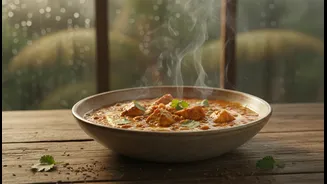
In the lush hills of North-East India, the monsoon brings an abundance of unique produce. Bamboo shoots, which are harvested fresh during this season, become a star ingredient. Different states have their own versions of a tangy, earthy bamboo shoot curry, often cooked with fermented ingredients or meats, offering a distinct flavour profile that is deeply warming. Another monsoon staple across the region, especially in Sikkim, is a comforting bowl of Thukpa or a plate of hot Momos. These steamed dumplings, filled with vegetables or meat and served with a fiery dipping sauce, are the perfect bite-sized parcels of warmth to combat the mountain chill that accompanies the rain.