


The Science of Shrinking and Swelling
The change in quantity from raw to cooked is a result of basic food science. For most proteins and vegetables, the primary reason for shrinkage is water loss. Raw meat, for instance, can be 50% to 70% water. When heat is applied, this moisture is forced
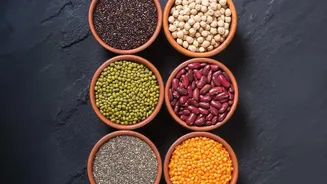
out, and the protein molecules contract, reducing the overall size and weight. Fat rendering is another major factor, especially in fattier cuts of meat, as the fat melts and drips away during cooking. On the other hand, some foods do the opposite. Dry goods like rice, pasta, dal, and other legumes absorb the liquid they're cooked in, causing them to swell and increase significantly in both weight and volume.
Mastering Meat and Poultry Portions
Meat is where cooks most often notice a significant reduction. As a general rule, most beef, poultry, and fish will shrink by about 25% when cooked. This means that 500 grams of raw, boneless chicken breast will likely yield around 375 grams of cooked chicken. However, this is just an average, and the exact amount can vary. Factors like the cooking method and fat content play a big role. High-temperature, dry-heat methods like grilling or roasting cause more shrinkage than slower, moist-heat methods like braising. Fattier meats also tend to lose more weight as the fat renders out. For example, a fatty cut of pork might lose 35% of its weight, while a lean steak may only shrink by about 16-20%.
The Vegetable Volume Mystery
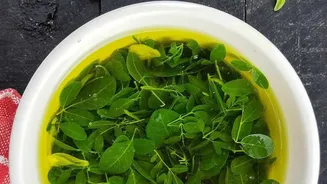
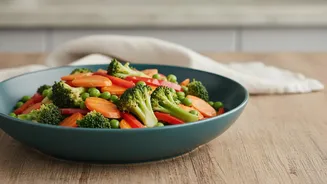
With vegetables, you face a two-step reduction process: trimming and cooking. The 'as-purchased' weight is not what you end up cooking. Peeling carrots, coring bell peppers, or removing the woody stems from cauliflower all reduce your usable amount before you even turn on the stove. For example, you might lose 15% of an onion to peeling and trimming. When cooked, leafy greens like spinach are notorious for shrinking dramatically, losing up to 70% of their volume as their water content evaporates. Mushrooms can lose around 50% of their weight for the same reason. Root vegetables like potatoes and carrots hold their shape better but will still lose some weight. To get 1 kg of cleaned, chopped carrots for a dish, you might need to buy around 1.1-1.2 kg to account for trim loss.
When Food Expands: Grains and Legumes
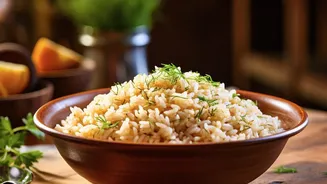
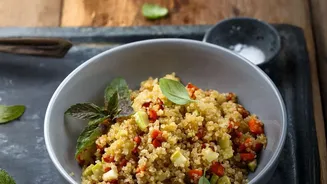
While most ingredients shrink, grains and legumes are the happy exception. These pantry staples expand as they absorb water, making a little go a long way. White rice typically triples in weight and volume; one cup of raw rice will yield about three cups cooked. Pasta and dal (lentils) generally double or slightly more than double in size. For instance, 100 grams of dry pasta will become about 225 grams when cooked. This is crucial for avoiding a mountain of rice or pasta when you were only aiming for a side dish. A good starting point for a single serving is often a quarter-cup of dry rice or about 50-75 grams of dry pasta.
Your Quick Planning Guide
So, how do you put this all together when planning a meal? Use these simple rules of thumb. For main courses, plan on buying about 150-200 grams of raw, boneless meat or fish per person. This will cook down to a serving size of roughly 115-150 grams. For vegetables, especially leafy greens, buy more than you think you need. A 250-gram bag of fresh spinach will cook down to a small side portion for one or two people. For grains and legumes, remember they expand. For rice, a good estimate is about 50-60 grams of dry grains per person. By keeping these basic yield principles in mind, you can shop with confidence, reduce food waste, and ensure your final dish is perfectly portioned every time.