





The End of the Off-Season
For years, the Indian travel calendar was predictable: the monsoon was a time to stay home. That is no longer the case. Data from travel platforms in 2026 shows that the rainy season is a new favourite for Indian travellers. According to a report by Cleartrip,
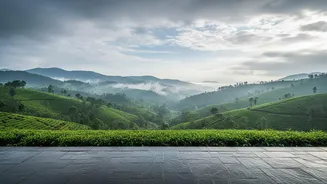
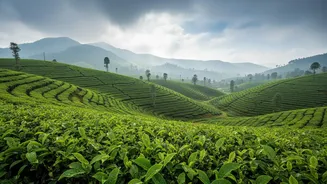
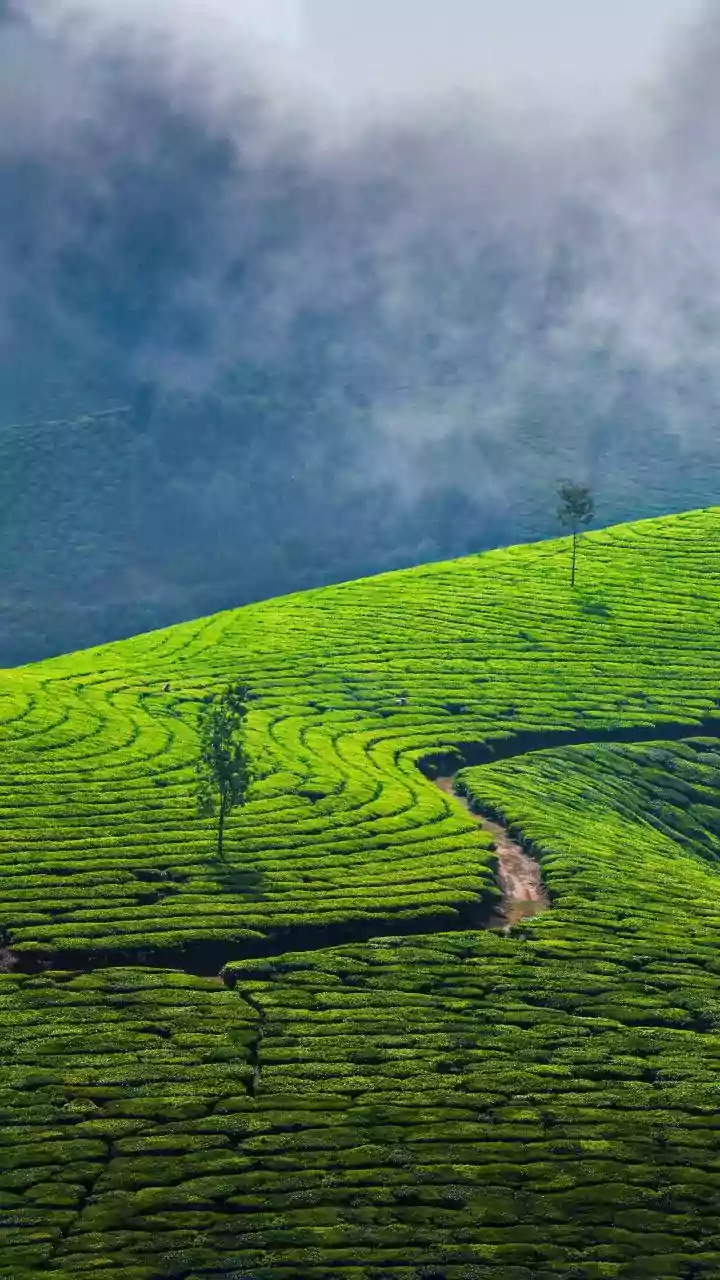
hotel bookings have jumped by nearly 54% year-on-year, with some destinations like Wayanad and Alleppey seeing growth of over 145%. This shift is driven by a desire for unique experiences, from the misty hills of the Northeast to the rain-washed forts of Rajasthan. Destinations such as Goa, traditionally quieter during the rains, have seen hotel bookings increase by over 110%. This boom means that what was once considered the 'off-season' is now a bustling period, with demand often rivalling traditional peak seasons.
Why Flexible Bookings Are Fading
With this surge comes a fundamental change in how travel is sold. In the past, hotels and airlines used flexible, fully refundable rates to entice travellers during the lean monsoon months. This provided a safety net against unpredictable weather that could cause landslides or flight cancellations. Now, with rooms and seats filling up regardless, the incentive for businesses to offer this flexibility has diminished. While discounted deals are still available, they often come with stricter conditions. Instead of full refunds, many travellers are now offered credit vouchers for future travel. Cancellation windows are also tightening, with some hotels requiring a week's notice or more for a penalty-free cancellation, especially during popular long weekends. Pricing has also become more 'resilient'; the significant tariff drops of pre-Covid monsoons are less common due to the sustained demand.
Read the Fine Print, Then Read It Again
In this new landscape, the term 'refundable' requires careful scrutiny. A policy advertised as 'free cancellation' might not mean a full refund to your original payment method. It could mean a credit shell with an expiry date. It is crucial to check the exact deadline for cancellation, paying close attention to the hotel's local time zone. Major Indian airlines often offer 'Flex' fares that allow changes for a lower fee, but these don't always mean a full refund. The responsibility now falls squarely on the traveller to understand every detail before committing. The days of booking multiple 'just-in-case' options and cancelling at the last minute without penalty are rapidly drawing to a close.
Smarter Strategies for Monsoon Travel
Navigating the new rules doesn't mean you can't enjoy a monsoon getaway. It just requires more diligent planning. First, booking early remains the best way to secure good prices, but only after you have confirmed the cancellation policy. Second, consider purchasing travel insurance that explicitly covers trip disruptions due to weather. This can be a financial lifesaver if a landslide blocks a road or a flight is grounded. Third, look for 'pay-at-hotel' options, which reduce your upfront financial risk. Finally, for flights, remember your rights. If an airline cancels a flight due to weather, DGCA regulations mandate that they must offer you the choice between a full refund or an alternative flight.
Embrace the New Travel Reality
The boom in monsoon travel is a sign of a maturing domestic tourism market where people are eager to explore year-round. Travellers are seeking experiences beyond the conventional, from wellness retreats in Rishikesh to cultural immersions in the Northeast. While this has made planning more complex, it has also opened up incredible destinations that truly come alive in the rain. The key is to shift your mindset. Instead of relying on last-minute flexibility from providers, build flexibility into your own plans. Be prepared, book with care, and embrace the organised spontaneity that modern monsoon travel demands.