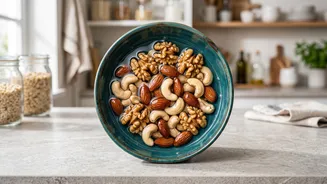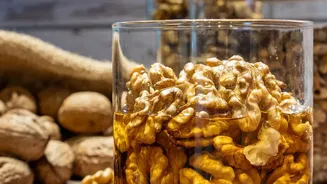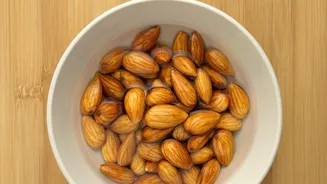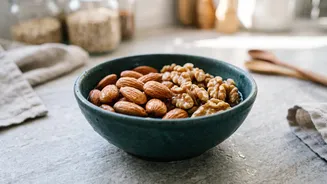




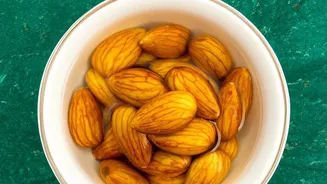


That handful of raw almonds is packed with potential, but are you getting all of its benefits? A simple overnight soak could be the key to unlocking their full nutritional power and making them much gentler on your digestive system.
The Hidden 'Armor' in Healthy Nuts
Nuts and seeds are
designed by nature to survive until they find the right conditions to grow into a plant. To do this, they contain natural protective compounds often called 'anti-nutrients'. The two main ones are phytic acid and enzyme inhibitors. Phytic acid, sometimes called a 'mineral thief', can bind to essential minerals like iron, zinc, magnesium, and calcium in your digestive tract, preventing your body from absorbing them. Instead, these valuable minerals are simply flushed out. Enzyme inhibitors act to keep the nut in a dormant state. When you eat nuts with these inhibitors present, they can interfere with your own digestive enzymes, sometimes leading to the heavy or bloated feeling you might get after eating a large handful of raw nuts.
How Soaking Unlocks Their Potential
The practice of soaking nuts, sometimes called 'activating', essentially tricks the nut into thinking it's time to germinate. Submerging them in water mimics the rainy conditions needed for a seed to sprout. This process signals the nut to switch off its defense mechanisms. The water helps neutralize the enzyme inhibitors and may reduce a portion of the phytic acid. As these compounds are broken down, the nutrients within the nut—including proteins and minerals—become more bioavailable, meaning they are easier for your body to digest and absorb. It's a simple technique, rooted in traditional food preparation, that helps you get more value out of every bite.
The Science on Superior Nutrients
While the logic is sound, the scientific evidence on just how much soaking improves nutrient yield is mixed. Some studies and wellness experts report a significant increase in the bioavailability of minerals like calcium and iron. However, other research, including a notable 2020 study in the journal 'Food Chemistry', found that soaking almonds, walnuts, hazelnuts, and peanuts resulted in only small changes in phytic acid levels and, in some cases, even led to a slight loss of minerals into the soaking water. The consensus is that while soaking is very effective for legumes and grains, its impact on the mineral content of nuts is less dramatic. The most widely agreed-upon benefits are improved digestibility and a softer, creamier texture, which makes them easier and more pleasant to eat.
Your Simple Guide to Soaking Nuts
Ready to give it a try? The process is incredibly simple. All you need are raw, unroasted nuts, water, a bowl, and a little bit of salt. Start by placing your nuts in a glass bowl or jar. Pour in enough filtered water to cover them by at least an inch, as they will expand while soaking. Add a pinch of salt—about a teaspoon per litre of water—which helps activate the enzymes that break down the inhibitors. Cover the bowl and let it sit on the counter. After the soaking time is complete, drain the nuts and give them a thorough rinse under fresh water to wash away any released compounds. You can use the softened nuts immediately in smoothies and recipes, or store them in the fridge for a couple of days.
Soaking Times for Common Nuts
Different nuts require different soaking times due to their varying textures and fat content. Harder nuts need a longer soak, while softer, oilier nuts require less time. Here’s a quick reference guide:
Almonds: 8–12 hours. These are firm and benefit from a longer soak.
Walnuts and Pecans: 4–8 hours. These are oilier and soften more quickly.
* Cashews, Macadamias, and Pine Nuts: 2–4 hours. These have a high fat content and need only a short soak.
Remember to always use raw, unroasted nuts, as roasted nuts will not 'activate' in the same way and may just become soggy.