





Embrace Warm, Nourishing Soups
A bowl of hot soup is the ultimate comfort during a downpour, and it's also one of the healthiest choices you can make. According to both modern nutritionists and Ayurvedic principles, warm, cooked foods are easier on the digestive system, which tends
to be weaker during the monsoon. Vegetable soups made with ingredients like tomato, carrots, or lentils provide essential vitamins and minerals that bolster your immunity. Adding traditional Indian spices like ginger, garlic, and turmeric not only enhances the flavour but also brings powerful anti-inflammatory and antibacterial properties to your meal. A simple moong dal soup or a mixed vegetable broth can keep you hydrated, warm, and protected from seasonal illnesses.
Rely on Light, Easily Digestible Grains
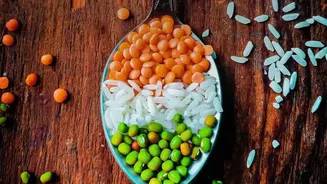
Heavy meals can tax your digestive system during the humid monsoon months. This is an ideal time to incorporate lighter grains into your diet. Khichdi, made from rice and moong dal, is widely considered a perfect monsoon meal because it is nourishing yet very easy to digest. Other excellent choices include old barley, oats, and millets like jowar and bajra. These grains provide steady energy without making you feel sluggish. For breakfast, warm dishes like poha or upma are far better choices than cold cereals, as they are freshly cooked and gentle on the stomach.
Choose Your Vegetables Wisely
While vegetables are crucial, the monsoon requires careful selection and preparation. Root vegetables and leafy greens can carry more bacteria and dirt during this season. It's essential to wash them thoroughly. Ayurveda recommends opting for vegetables that are light and easy to digest, such as bottle gourd (lauki), bitter gourd (karela), ridge gourd (turai), and pumpkin. Steaming or light cooking is the best way to prepare them, as raw salads can be risky and harder to digest. Cooked vegetables retain their nutrients while eliminating the risk of contamination.
Harness the Power of Spices
The Indian spice box is a treasure trove of immunity-boosting ingredients perfect for the rainy season. Turmeric, with its active compound curcumin, is a potent anti-inflammatory and antiseptic. Ginger is excellent for soothing a sore throat and aiding digestion, while garlic is known as nature's antibiotic. Black pepper, cumin, and coriander not only add flavour but also support your digestive fire, or 'Agni', which Ayurveda says is weaker during this time. Incorporating these spices into your daily cooking in dals, curries, and teas is a simple and effective way to strengthen your body's defences.
Incorporate Probiotics for Gut Health
A healthy gut is the foundation of a strong immune system. The humidity and increased risk of water-borne diseases during the monsoon can disrupt your gut microbiome. Including probiotics in your diet helps maintain a healthy balance of gut bacteria. Fresh, homemade curd (yoghurt) and buttermilk are excellent sources of probiotics. They aid digestion and help your body fight off harmful pathogens. However, Ayurvedic tradition suggests avoiding excessive curd at night and opting for buttermilk during the day for lighter digestion.
Snack Smart and Healthy
The craving for oily, fried pakoras is almost synonymous with rain, but there are healthier ways to satisfy your snack cravings. Instead of deep-frying, you can bake or air-fry your favourite snacks like samosas or pakoras. Other great options include roasted corn (bhutta), steamed corn chaat, or a simple moong dal chilla. These snacks provide comfort and flavour without the digestive distress and unhealthy fats of deep-fried foods. Fruits like apples, pomegranates, and pears are also great choices, as they are rich in vitamins and fibre.