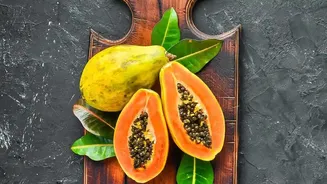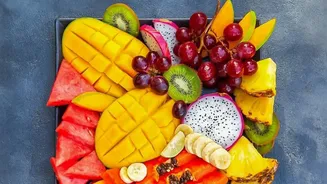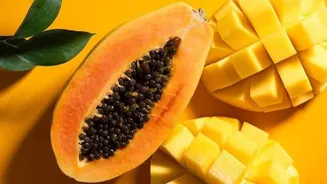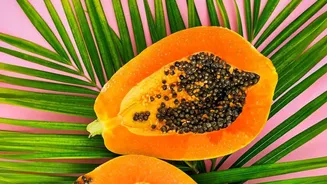






In the world of tropical fruits, mango and papaya are titans, beloved for their sweet, vibrant flesh. But when you place them side-by-side, how do they stack up nutritionally? Let's peel back the layers on these two popular fruits.
The Calorie and Carb Count
If you're watching your
calorie or carbohydrate intake, papaya is the clear winner. A 100-gram serving of papaya contains approximately 43 calories and about 11 grams of carbs. In contrast, the same amount of mango has around 60 calories and 15 grams of carbs. While both are considered low-calorie foods, papaya is the lighter option, offering more fruit volume for fewer calories. This makes it an excellent choice for those focused on weight management. The difference comes down to sugar content; mango contains nearly double the sugar of papaya per serving, which accounts for its higher calorie load.
The Vitamin Verdict
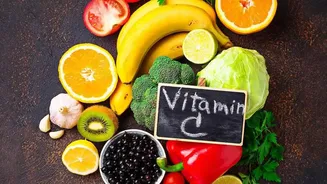
This is where the competition gets interesting, as each fruit excels in different areas. Papaya is a vitamin C powerhouse, with a 100-gram serving providing over 60 mg, which can be more than 100% of the recommended daily intake for an adult. Mango is no slouch, offering a respectable amount of vitamin C, but it truly shines with its vitamin A content. Thanks to its rich orange colour from beta-carotene, mango provides significantly more vitamin A than papaya, a crucial nutrient for eye health and immune function. Mango also tends to have a slight edge in B vitamins like folate.
Fibre and Blood Sugar
Both fruits are good sources of dietary fibre, with each providing around 1.6 to 1.7 grams per 100g, making it almost a tie in this department. Fibre is essential for digestive health and helps to slow the absorption of sugar into the bloodstream. This leads to an interesting point about their glycemic index (GI), which measures how quickly a food raises blood sugar levels. Despite having more sugar, mango often has a slightly lower GI (around 51) compared to papaya (around 59). This means mango may cause a slower, more gradual rise in blood sugar, which can be beneficial for energy regulation. However, both are considered low-to-medium GI fruits.
Papaya’s Secret Weapon: Papain
Papaya contains a unique and powerful enzyme called papain. This enzyme is a protease, meaning it helps break down proteins. This is why papaya is widely celebrated for its digestive benefits; papain can help ease symptoms like bloating, gas, and indigestion. Beyond digestion, papain also has anti_inflammatory properties that may help with pain and swelling. This special enzyme is most concentrated in unripe, green papaya but is still present in the ripe fruit. Its ability to aid protein digestion makes papaya a fantastic fruit to eat after a heavy meal.
Mango’s Mighty Mangiferin
Mango has its own exclusive compound: a potent antioxidant called mangiferin. Found in the fruit, peel, and even the leaves of the mango tree, mangiferin has been studied for its impressive health benefits. As a powerful antioxidant and anti_inflammatory agent, it helps protect the body's cells from damage caused by free radicals. Research suggests that mangiferin may play a role in regulating blood sugar, supporting heart health, and boosting the immune system. This unique polyphenol adds another layer to the mango's already impressive nutritional profile, making it more than just a sweet treat.
The Final Verdict
So,_which fruit is better? The truth is,_there is no single winner._The 'best'_ fruit depends entirely on your personal health goals._If your priority is weight management or increasing your vitamin C intake,_papaya is an outstanding choice due to its lower calorie count and exceptional vitamin C levels._Its digestive enzyme,_papain,_offers a unique benefit for gut health._On the other hand,_if you're looking for a boost in vitamin A for eye health or the potent antioxidant benefits of mangiferin,_the 'king of fruits'_ is the way to go._Mango's slightly lower glycemic index also makes it a solid option for more sustained energy.